
What Bremainers did on Brexit Day
On Saturday February 01 2020 the Bremain Facebook group took a day off. We stopped all posts and comments but asked members to share pictures and stories from how they had spent by commenting on an admin post. Here’s a flavour of what some of our members got up to:

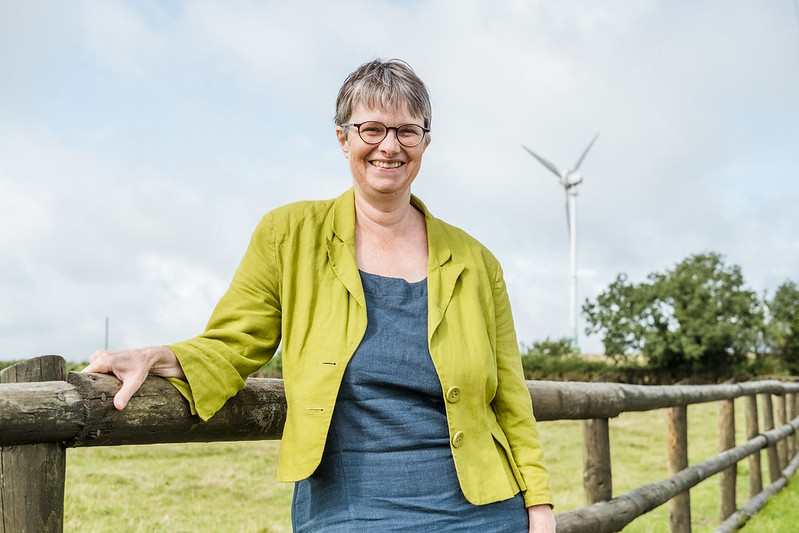
“I climbed a mountain, alone, with “You’ll never walk alone” going round and round in my head. The aim was to make myself really really tired and sleep through all of it. It worked.
It took ages to get a reasonable photo, because it was one of those self timed 10 seconds to run into position jobs. Once I did, I realised I hadn’t put my blue jumper back on, so I had to do it all over again. No easy task considering I was perched on a rocky summit with sheer drops all around.
I took my Cornish flag with me to show solidarity to my Cornish friends who were having a candlelit vigil outside Truro Cathedral.”
“I had some English friends round for dinner and, although there was no conscious agreement not to discuss ‘it’, we chatted about family, cats, holidays, house moves and all sorts of normal things until we realised it was 12.30. I forgot to take photos. I have a sore head this morning. I think it was all good. This was the menu.”


AD

LRS

CE

DF

JG

JB

HW

LRB

“We shared a wonderful evening with a bunch of lovely like-minded people in Malaga. (Alcohol was involved!)”
“We were determined to ignore the clock, ignore the event, & have a fun, romantic evening enjoying the life we love in Spain. Mission accomplished.”


CPB

KW

JJ

AMc

“I was in the land of nod when the clock struck 12 😴 Although I never made it to any of the UK marches, I did my bit on the Balcon de Europa in Nerja in support of the London march on 19 October 2019.
Always UNITED IN DIVERSITY”