
Bremainers Ask ……. Professor Christina Pagel

Bremainers Ask ……. Professor Christina Pagel

Christina is Professor of Operational Research at University College London, using mathematical tools to support the delivery of health services. She is also President Elect of the UK Operational Research Society and a Fellow of the Academy of Medical Sciences.

Since January 2025, she has been tracking authoritarian actions by the Trump administration (trumptractiontracker.info) and writing about their implications for the US and internationally.

Christina is passionate about healthcare and defending liberal democracy and is a regular commentator on social media, with 66k followers on Bluesky.

Valerie Chaplin : Will Trump last out his term or will the US see sense and oust him before he does any more damage?

I’m not sure if he will last, but to me the most likely reason for his exit is ill-health (including death). I can’t see the Republicans ousting him. If the Democrats win both the House and the Senate in the midterms, then they might be able to, if they can get enough Republicans to vote with them in the Senate, but I still think it is very unlikely.


David Eldridge : Will Trump’s unpopularity across most of Europe harm the poll ratings of far-right parties either modelling themselves on or openly courting his support (Reform, AfD, Vox, RN etc)?

Yes and no. I think parties that explicitly tie themselves too closely to Trump might be harmed by association and I can’t see them angling for his endorsement for that reason (especially after the US open endorsement for Orban in Hungary ended badly for Orban). That said, I think far-right parties can adopt many of Trump’s strategies and that this can work for them (e.g. leaning into the culture war, painting opponents as out-of-touch elites, stoking hatred for immigrants) and they can do this without even mentioning Trump or the US. Additionally, they can benefit from huge donations of Trump-aligned billionaires/right-wing foundations, again without necessarily tying themselves to Trump. 


Susan Scarrott : What do you consider were the greatest losses to your scientific field after leaving the EU and what would be the benefits of rejoining?

The biggest losses were scientists and science funding. On the former, applications for undergraduate and postgraduate study from the EU have dropped off a cliff (much more expensive for them and they need expensive visas). Even more worrying, while previously we used to get many applications for academic jobs (e.g. postdoctoral researcher or tenured positions) from brilliant EU scientists, these have disappeared. I can’t remember the last time an EU citizen applied for a postdoc position I was on the interview panel for. I think this is a tragic loss. We also lost access to exchange programmes with the EU and access to some European funding schemes (e.g. Horizon). Some of these are now restored, which is very welcome, but it has still been several years of lost opportunities.

Steven Wilson : Have Trump’s actions caused permanent damage to US global collaborations and standing, or will international relations return to ‘normal’ once he is removed from power?

Permanent is a long time – after all the UK is no longer enemies with France, Spain or Germany against whom we fought many wars. But as long as a MAGA version of the Republicans is in power, international relations and the US global influence are both severely weakened. If and when Democrats return to power, it will take a long time to build back collaboration to where it was, because the trust is gone that agreements will outlive an administration. I also suspect that this might be the start of the US decline as the pre-eminent global superpower (especially as China continues to rise), so perhaps in that sense the damage is permanent.


Lisa Burton : Why do you think evidence-based policy so often struggles to compete with political narratives or misinformation?

Excellent question! I think it’s a number of things. Evidence-based policy tends to be slower and to call for slower, more careful actions – which is out of step with what people want (quick change). Evidence-based policy also tends to involve at least some trade-offs, and people prefer to hear that things can be made better with little cost or effort on their part (I mean who doesn’t?). The growth of AI has made coming up with superficially convincing arguments (and pseudo-science) to support populists’ policies very easy, and social media has provided the means to amplify it. 

Evidence-based policy also requires changing your mind or direction if the evidence changes or better ideas emerge, and politicians are punished for this and so are social media influencers. This creates an incentive structure that rewards doubling down and extreme positions, which counteract evidence-based policy. I personally experienced this during COVID, when my followers would ‘reward’ me for any negative news about Covid or government policy but ‘punish’ (or ignore) when I posted good news or in support of a government policy. It can be very tempting to go towards the ‘reward’ and you have to consciously stop yourself.


Anon : With close to 3000 actions on your Trump Action Tracker, are there any particular misdeeds that stand out for you?

I think all of it is pretty bad – the combined attacks on rule of law, the media, and science. But what I personally find most disturbing is the utterly blatant white supremacist propaganda being pumped out on X by the Dept of Homeland Security and the in-your-face racism of Trump against non-white immigrants, especially (at the moment) Venezuelans and Somalis. When combined with all the actions that speak to a fundamental belief that whoever has the biggest army should do what they like, when they like, to whom they like, it feels like a return to very dark times.


NEXT MONTH Andrew Hesselden

Andrew is a strategic communications specialist and campaigner focused on UK–EU mobility and citizens’ rights. Having founded the “Save Freedom of Movement” campaign, Andrew also raises awareness of “90-in-180-day” issues with his “180 Days in Spain” initiative. Andrew serves on the National Council of European Movement UK and is working to build a Coalition for Mobility in Europe.

If you wish to put forward a question(s) for Andrew, please email us no later than noon on Saturday 9 May.

Events 2026

Events 2026

20 June – National Rejoin March IV
In person – London – 12.00 – 16.00 BST
To mark the 10th anniversary of the Brexit referendum, Bremain will be marching in support of rejoining the EU.
New route from Temple Tube Station to Parliament Square.
More information here
Join dedicated Bremain march group here
Festival of Europe
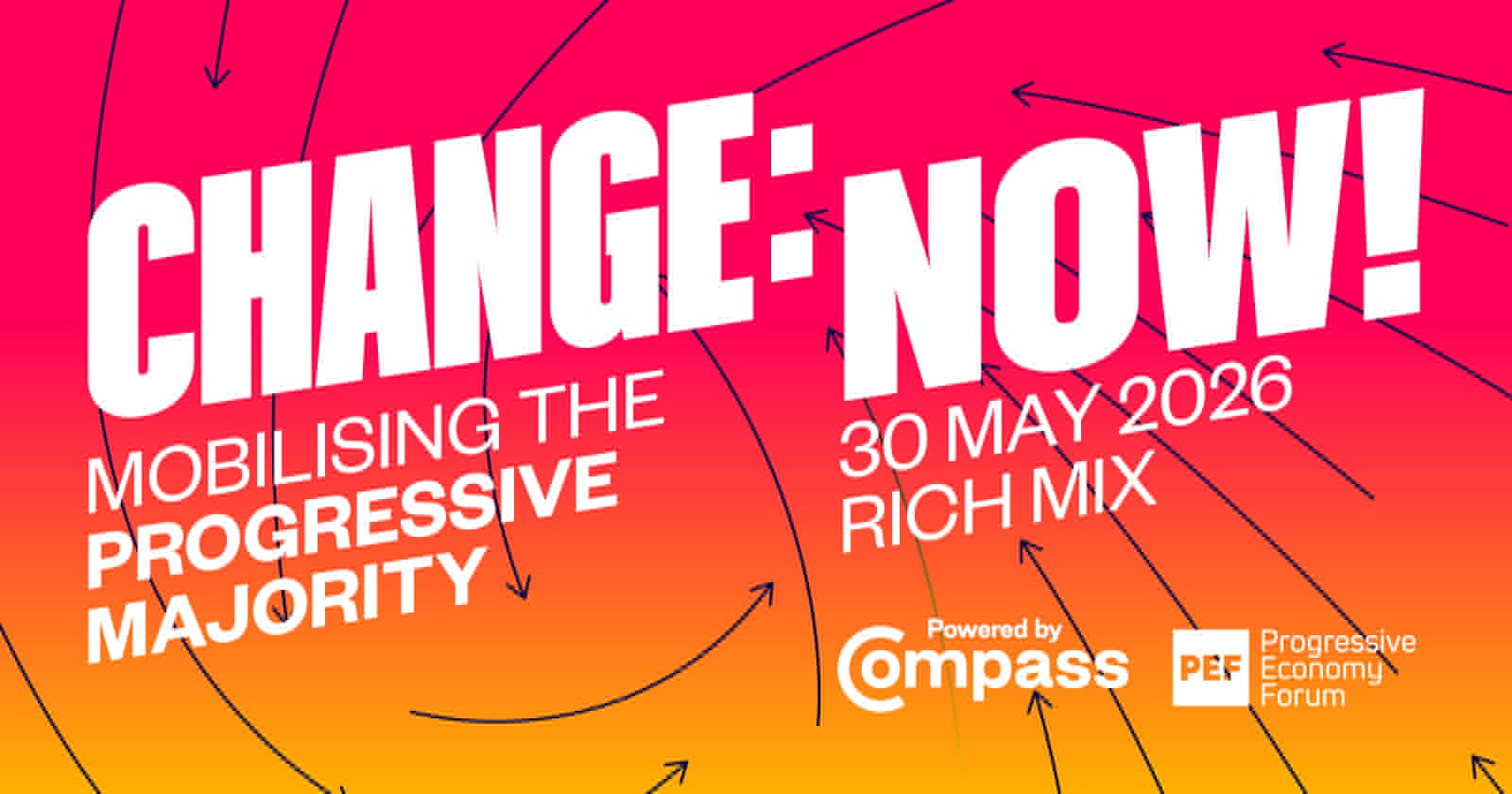
30 May – Compass National Conference
In person event, London – 10.00–17.00 GMT
Change Now: Mobilising the progressive majority
Speakers: Andy Burnham, Caroline Lucas, Clive Lewis, Andrea Egan, Patrick Allen, James Meadway, Guy Standing & more
Register to attend here
Festival of Europe
26 May – UK in a changing Europe
Online – 13.00 BST
A view from the UK-EU summit
Speakers: Jill Rutter, Anand Menon, Lara Spirit, Jannike Wachowiak
Register to attend here
Festival of Europe
23/5 – 5/6 – NRM Rejoin Ramble
In person event – 08.00 BST start
The NRM team will be walking from London to Brussels to deliver a booklet explaining why we want to rejoin the EU. Why not join for a day or longer? Bremain will be taking part.
Contribute to the booklet here
Further information available here
Festival of Europe
20 May – Alliance 4 Europe/Citidem
Online workshop – 14.00 – 17.00 CEST
How can we craft the narratives and stories that can drive civic participation and change?
How can we shape the story of Europe’s future, and what will make it happen?
Speakers:
Julius Fintelmann, Daniela Vancic, Dr. Virginie Andre
Register to attend here
Festival of Europe
​13 May – European Movement Int’l Webinar – 10.00 – 17.00
How to talk about the EU: Building strong arguments & navigating debate (co-funded by the EU)
Speakers: Petros Fassoulas, Matteo Adduci
Register to attend here
Festival of Europe
30 April – Guardian Journalists
In person/online – 20.30 – 22.00 CET
Labour in freefall and the rise of the Green Party and Reform
Speakers:
Polly Toynbee, Rafael Behr, Zoe Williams, Gaby Hinscliff
Order your tickets (In person: £31.50 – £35.00 + booking fee; Livestream: £15.00 + booking fee) here
Festival of Europe
​8 April – European Movement in Scotland
Online – 19.00 BST
The transatlantic relationship reimagined
Speaker:
Prof. Amanda Sloat, John Edward
Register to attend here
Festival of Europe
19 March – East Kent for Europe
In person/Online – 18.30 GMT
UK, Europe & Nato in the era of Trump
Speaker:
Richard Whitman, Professor of Politics & International Relations – University of Kent
Register to attend in person/online here
Festival of Europe
10 March – London 4 Europe
In person/online – 18.30 GMT
Placing London at the forefront of campaigns to re-align & rejoin the EU
Speakers: Miriam Margolyes, Tom Brake, Jenny Jones, Andrew Hesselden, Emma Knaggs, Lord Kinnock & more
To attend in person email us here
Register to attend on line here
Festival of Europe
23 February – Make Votes Matter
Online Zoom – 18.30 GMT
The Representation of the People Bill has dropped … Now What?
What is/isn’t included
How can we influence it?
Role of APPG for Fair Elections
How to help put PR on the agenda
Register to attend here
Festival of Europe
4 February – Compass/Equality Trust
Online – 18.00 GMT
The Good Society & how to make it
Speakers:
Kate Pickett, George Monbiot, Caroline Lucas, Ruth Lister
Register to attend here
Festival of Europe
29 January – European Movement UK
Online – 18.30 – 19.30 GMT
Taking stock of the UK/EU relationship, over the last year & the next one.
Speakers: David Gauke, Richard Baker, Natalie Bennett
Register to attend here
Festival of Europe
28 January – Europe Calling
Online – 19.30 – 21.00 CET
European Defence Policy (in German & English)
Speakers:
Gabrielius Landsbergis, Laetitia Sedou, Hannah Neuman MEP
Register to attend here
Festival of Europe
20 January – UK in a Changing Europe
Live on Slido/YouTube – 13.00 GMT
Changing party politics in the UK
Speakers:
Catherine Barnard, Lisa Smart MP, Sean Woodcock MP, Rob Ford
Register to attend here
Festival of Europe
19/1 – York for Europe/EM UK
Online – 12.00 – 13.30 GMT
A meeting for pro-Europeans – how best to respond to government, social media campaigning & much more
Speaker:
Richard Corbett
More information & Zoom link here
Festival of Europe
Proud to work closely with the British Embassy to keep you informed

Proud to work closely with the British Embassy to keep you informed

Check in regularly for all the latest information for British citizens living in Spain or just visiting.


The Embassy has confirmed the Home Office UK passport names policy re dual nationals

  • Dual national applicants are required to ensure any foreign passport or ID document held (whether valid or invalid) is in the same name as that given in the application for a British passport, or provide evidence to show that a change is not possible
  • An exception can be applied in situations where a name change is not possible due to naming conventions or when a married woman is unable to take her spouse’s surname
  • Specific guidance is available for passport examiners on different naming conventions and practices in Spain – alignment should not be requested in these circumstances
  • Where an exception can be applied an observation will be added to the British passport to evidence the link and record any difference in names
  • Both names will be recorded on the British passport – one as an official observation – so dual nationals should not encounter difficulties when proving their right to travel to the UK
  • Carriers can contact a support hub to obtain advice on the status of individuals the HO holds records for

You will find the “Change of name guidance for official documents” policy here

New UK rules of entry for dual nationals


New UK government rules require all British citizens – including those that hold dual citizenship – to show a valid British passport or a ‘certificate of entitlement’ when travelling to the UK.

Statement from the British Embassy: “As indicated by the Spanish Foreign Affairs Ministry, dual British-Spanish citizens can travel on their Spanish passport but will have to carry their British (or Irish) passport with them or have a certificate of entitlement linked to their Spanish passport.”


Useful links:

  • Renew your UK passport here  
  • Apply for a certificate of entitlement here
  • Further information for dual British citizens here 
  • For children born in Spain, check qualification for British citizenship/need a British passport to travel here
  • Find out more on how ETA enforcement affects dual British-Spanish citizens here
  • Read recommendations made to the Home Office by ILPA, the 3 Million & British in Europe here

The European Entry System

On 12 October 2025, the EU introduced the new border checks system, which will be  phased in over the next six-months. In Spain, the first test checks were carried out in Madrid Barajas on 12 October and the system went live in Malaga airport on October 20.

Once the system is fully up and running, there will be no more manual stamping, but until April next year, your passport may still be stamped.

  • Visitors – Your fingerprints and photo may be taken at the EU border. This might take a few minutes, so be prepared to wait at busy times.
  • TIE holders – If you’re a UK national living in Spain with a TIE, you do not need to register in the EES.
  • Green certificate holders – Apply for a TIE as soon as possible. Otherwise, you might be treated as a tourist when entering the EU and asked to register in the EES.

For more information:

Entering Spain as a resident

All about the EES

Spain’s EES implementation plan

Please note that the British Embassy in Spain is aware of the difficulties in getting appointments in many regions to swap green certificates for the TIE or renew temporary TIEs, and is talking to the Spanish Government.

Bremain in Spain will continue to monitor the situation and keep you updated as the EES system rolls out to new airports and ports. 

ENTRY/EXIT SYSTEM (EES) Implementation date confirmed

The date for implementation of Europe’s EES for non-EU travellers, including British tourists, has been confirmed as 12 October this year.

The aim of the system is to digitise border crossings so that all non-EU citizens can be more closely monitored. This will help identify suspected criminals and allow policing of the 90 days stay in 180 days.

The system – which will require facial biometrics and fingerprints – will be phased in over a 6-month period and will be fully operational from 10/4/26.

Bremain attended a meeting with representatives of the Embassy and the Foreign, Commonwealth & Development Office to discuss forthcoming changes affecting travel between the UK and the EU.

ENTRY/EXIT SYSTEM

The introduction of the EES will require UK-based British citizens, as 3rd country nationals, to create a digital record, submit fingerprints and have a photo taken for facial recognition purposes when travelling to the EU.

Implementation of the EES is scheduled for October 2025 and a launch date should be confirmed very soon. The system will be rolled out over a 6-month period.

UK nationals resident in Spain who are in possession of the TIE will be exempt (see below).

More information here

ELECTRONIC TRAVEL AUTHORISATION (ETA)

When travelling to the UK, EU citizens need to apply for an ETA.

Any UK national who has not renounced their British citizenship, will be recognised as British by the UK authorities. Therefore, those currently without a British passport are encouraged to re-apply for one as soon as possible, to avoid the necessity of applying for an ETA.

More information here

TIE (Foreigner Identity Card)

The number 1 priority for all British residents in Spain, who are still in possession of the old green residencia document/card, is to switch to the TIE. Only those that can prove their residency with the TIE will be exempt from the forthcoming EES system – something both the Spanish and British authorities agree on.

More information here and on our TIE webpage

Update from Embassy 14 May

In October 2024 (date still tbc), the EU is introducing a new scheme for non-EU citizens (including British Nationals) entering an EU country for a short stay. The EU Entry/Exit System (EES) will require non-EU tourists to provide their name, passport details & biometric data (fingerprints and facial images) & will replace the current stamping of passports at the border. Details will also need to be provided regarding the date and place of entry and exit.

Details will be kept on file for 3 years meaning that, for example, any British citizen making repeat visits to Spain during that 3-year period would not need to go through the same registration process each time.

Exemptions for British residents in Spain: Residents will need to show their TIE biometric card in order to be exempt from EES registration. Therefore, the British Embassy & Bremain in Spain strongly recommend that all British residents in Spain apply for a TIE before the EES comes into force, including those currently using the Green Certificate.

Update from Embassy 23 November

Bremain attended a webinar with the Embassy today to discuss the pressing issues of Driving Licence exchange and local voting rights in Spain.

DGT

Driving licence exchange – the discussions have progressed & the next steps are legal checks & political processes. While the timeline is out of the Embassy’s control, further information will be forthcoming as soon as it is available.

For the latest information of the conclusion of the two outstanding issues, watch the video from the Ambassador here

Local elections Spain – the Municipal elections will take place on 28 May 2024. UK nationals are eligible to vote as long as they are registered on the Padron and have been resident in Spain for 3 years.

It is advisable to check beforehand that you are on the Padron, with the correct address, ahead of the date window for registration on the electoral roll – 1/12/22 – 15/1/23. For more information visit the Living in Spain website here

Update from Embassy 11 June

Following the ruling by the European Court of Justice (ECJ) regarding EU citizenship and voting/standing in local elections, the Embassy would like to confirm the rules with regards to Spain.

The ECJ ruled that with Brexit, we lost our EU citizenship rights and the right to vote and stand in local elections under EU law. However, this does not affect UK nationals’ right to vote and stand in local elections in Spain. This is because a bilateral agreement exists between Spain and the UK which allows UK nationals who have lived in in Spain for more than 3 years to vote and stand in local elections.

More information on voting rights in Spain (and the treaty, signed in January 2019) is available in the Embassy’s Living in Spain guide.

Update from Embassy 23 February

The latest update from the Embassy includes information on a variety of subjects, including an extension for the use of UK driving licences in Spain.

For all the latest information, click on the relevant PDF below for all the latest details and useful links.

  • Driving Licence PDF
  • Access to regional employment services PDF
  • Residence registration PDF
  • Voting rights and registration on the electoral roll PDF

Update from Embassy 22 December

As the year comes to a close, the Embassy have provided an update on the issues that are still concerning UK nationals living in Spain.

RESIDENCY

Following a negative outcome on a residency application, some UK nationals have received an instruction to leave Spain within 15 days. While discussions between the relevant authorities are ongoing, the Embassy have put together some information for those finding themselves in this position. Open the Residency PDF for further details.

DRIVING LICENCES

Ambassador Hugh Elliott has recorded a video message for UK Licence holders living in Spain, which has been posted on the Brits in Spain Facebook channel. Negotiations are “progressing” but have yet to reach a conclusion. An extension to the current grace period has been asked for, and is expected to be granted, before the end of the year. Open the Driving Licence PDF for further details.

PASSPORT STAMPING

UK travellers are still experiencing inconsistencies at the border, with some Withdrawal Agreement beneficiaries being stamped despite presenting evidence of their residence status, and some visitors being stamped only on entry and not on exit.

For the second group – the travellers who are concerned that they received an entry but not an exit stamp –  the Embassy have recently updated their travel advice page with information in line with the Schengen Borders Code. This information currently sits under the subheading ‘visas’ on the page. We advise UK travellers to carry evidence of when and where they last entered and exited the Schengen Area when travelling in the future as you can ask a border guard to add this information into your passport. Acceptable forms of evidence can include boarding passes and tickets.

TAXATION OF OCCUPATIONAL OR PRIVATE UK PENSIONS

In response to issues raised in this regard by Bremain in Spain, the Embassy have put together some information. Open the Pensions PDF for further information.

Update from Embassy 13 November

The Embassy are often contacted for assistance in areas they are unable to assist with. To clarify where they can help, and to point people in the right direction where they can’t, a guide has been produced to explain the services they provide. Click here to open the guide

For visas for those wishing to move to Spain, please contact the Spanish consulate in the UK

To contact the Embassy in Madrid by phone or online, or for more information click here

Update from Embassy 27 October

DRIVING LICENCE EXTENSION

The Spanish government has today announced that valid UK licences will continue to be recognised for driving in Spain until 31 December 2021.

Negotiations are ongoing, and the Embassy will continue to provide information as and when any developments happen.

Independent of those ongoing negotiations, UK Nationals who successfully registered their intent to exchange their licence before 30 December 2020, will be able to exchange it for a Spanish one without having to take a practical test up until the end of this year. The Embassy understands that some people who tried to register their intent have subsequently found out that they were unsuccessful in doing so. If this is your situation and you are unclear as to why, you should contact the DGT directly to discuss further. https://www.dgt.es/es/contacto.shtml

If you moved to Spain after 1 January 2021, your UK licence is valid for six months from the date of your TIE or until 31 December, whichever is later.

Update from Embassy 12 October

UK national stakeholder event with FCDO Minister for Europe and the Americas

On Thursday 30 September, Wendy Morton, FCDO Minister for Europe and the Americas, met with 14 representatives from ten organisations that work closely with the UK community in Spain, as part of her visit to Madrid.

The meeting was an opportunity for the Minister to hear of the main concerns and issues affecting UK nationals in Spain, following the end of the transition period on 31 December 2020, ahead of her meetings with the Spanish government later that day. The issues raised included: registration/residency applications, visa processing, the stamping of passports, immigrations status, moving back to the UK and many more.

The Minister assured representatives she would be raising issues, such as the registration of UK nationals in Spain and driving licence exchange, in her meetings with the Spanish government, and that ensuring smooth visa processes was also a priority. Citizens’ rights remains a priority for the UK government and the British Embassy in Madrid continues to engage with the relevant UK and Spanish authorities on the various issues that were raised.

Bremain in Spain was ably represented by Vice Chair, Lisa Ryan Burton and Council Member and Newsletter Editor, Helen Johnston.

For further details regarding the topics discussed, view the PDF

Update from Embassy 27 September

Earlier this year, the Embassy carried out a series of Healthcare focus groups throughout the EU. Some of the most popular questions and concerns were about NHS access and S1 registration, with participants wanting more detailed information.

As a result, the Embassy have produced the following series of infographics. Click on the relevant PDF for more information:

  • The S1 form (an explainer on what the S1 is, who can apply etc) PDF
  • How to access the NHS if you are a UK national living in the EU PDF
  • How to access the NHS if you are a registered S1 form holderPDF
  • How to register your S1 form in SpainPDF

Registering your S1 with the INSS

The INSS has recently updated its online portal.  The process has been revised, and there’s a specific link for S1 form holders who wish to register online.  There is a dedicated page on gov.uk which outlines the process for registering your S1 online, and which has been updated to reflect changes made.

Please note that, at present, the page is only in Spanish and it has an additional series of instructions to ensure you confirm your identity.


Update from Embassy 25 June

Starting today, the Embassy Health Team are offering one-to-one calls with UK nationals on the last Friday of every month, continuing throughout the summer.

How does it work?

You can book a 10-minute slot to speak to one of the health team about your individual circumstances, relating to healthcare access. Click on the link here to book your appointment.

What can people call about?

The objective is to help those who are still struggling to register or are having issues with accessing healthcare. Unfortunately, the Embassy will not be offering advice or assistance with anything related to provision of care, or the Covid-19 vaccine – both of which fall outside the remit of the team.

Future sessions will be advertised on the Brits in Spain Facebook page a few days before the event.

Update from Embassy 23 June

CHANGES TO DEADLINE RE DRIVING LICENCE EXCHANGE

On Tuesday 22 June, the Spanish Consejo de Ministros agreed an extension to several measures in their end-of-transition period Royal Decree.  One was on the recognition of UK driving licences in Spain.  The announcement in English can be found here.

The deadline for the exchange of driving licences, for those who were resident in Spain prior to the end of the transition period, has been extended. For full details of the changes, read our PDF here

 You can also find further details re driving licences, for those who did not register details/intent before the 31/12/20 deadline, in the PDF.

Update from Embassy 27 May

On Thursday 27th May, Bremain in Spain Chair, Sue Wilson and Vice Chair, Lisa Ryan Burton attended an update meeting with British Embassy staff to discuss:

  • Driving Licence Exchange
  • Travel – including the much discussed ‘carta de invitación´
  • Residency
  • Votes for life – government press release

To read all about those discussions and get the latest information, click on the PDF here.

Update from Embassy 21 May

In response to members’ concerns about entry requirements to Spain – especially in relation to visitors to our homes – the Embassy have provided the following update and helpful links.

Following recent discussions with the Spanish authorities, the relevant Embassy webpages have been updated, and further clarification will be available in due course.

The following websites are recommended by the Embassy as the best sources of information:

There is further information direct from the Embassy in the PDF

Update from Embassy 21 April

On Tuesday 20 April, our Chair, Bremain in Spain Chair, Sue Wilson took part in a meeting with representatives of the FCDO (Citizens’ Rights department) and British Embassy staff from Madrid and Paris. The meeting was also attended by representatives of citizens’ rights groups from 7 EU countries.

The meeting involved discussions around the misrepresentation in the media of recent coverage of events regarding UK nationals, most especially in Spain. Other topics included communications, information and support being provided for Brits abroad, followed by a question and answer session.

To read more about the meeting, open the PDF

Update from Embassy 16 April

There has been some confusion over the rules for visiting other Schengen countries when legally resident in Spain. We asked the Embassy to clarify how long you are entitled to visit, and whether the rules are different for those with temporary residency to those with permanent residency.

Open the PDF for confirmation of:

  • Length of stay for visits
  • Requirements for extended stays for work
  • Length of time you can be out of Spain without affecting your residency
  • Differences between temporary & permanent residency rights (where they exist)
Update from Embassy 4 March

In response to recent concerns our members raised over access to Spain’s vaccination programme, we approached the Embassy directly and received this response:

“The Spanish Government’s Vaccination Strategy sets out that all people living in Spain will be eligible for the vaccine, regardless of nationality or residency status.  The Vaccination Strategy is updated regularly to include new priority groups as the number of doses available gradually increases.  You might be interested to see this question and answer from the Spanish government’s FAQ website, which highlights that all people in the priority groups, irrespective of their nationality or type of sickness insurance cover, are being vaccinated.

Those UK nationals who are already registered in the public health system should be contacted by their regional health authority to arrange an appointment.  The Spanish authorities are asking insurance companies to coordinate with regional health services in order to provide vaccines to their customers.  The Spanish authorities are also considering how to contact people who are not registered on the public system nor with a private insurer.  Ultimately, our advice to UK nationals living in Spain remains that they contact their local health centre and/or insurer for more information.”

The Embassy will provide further updates as and when further information is available, and the issue will be followed closely by the Embassy communications team.

Update from Embassy 26 February

The Department for Health & Social Care has today provided healthcare updates, and potential solutions to difficulties being faced by UK nationals when registering S1 forms.

Open the PDF HERE for more information on the following, plus some useful links:

  • Continuation of S1 scheme
  • Sending medication via courier from the UK to Spain
  • S1 registration issues
Update from Embassy 16 February

There has been plenty of information available recently regarding applications for Spanish residency. To date, that information has related to those that arrived in Spain before the end of the Brexit transition period.

What are the requirements for those moving to Spain from 1 January 21?

UK nationals moving to Spain post Brexit (and who are not joining close family members under WA family reunification rules) will need to meet the same requirements as other third country nationals.

In most cases, this will require starting the process via the Spanish consulate in the UK, before traveling to Spain.  The requirements will differ depending on the visa/residence permit the person is applying for (e.g. a residence and work permit, a non-lucrative visa, etc).

UK nationals requiring further information about visas/residence permits should consult with the competent authorities for Spain:

For the Spanish Consulate in the UK visa FAQ page, click here

For the Ministry of Inclusion, Social Security and Migration page, click here

Update from Embassy 10 February

The Embassy has produced an essential guide explaining your citizens’ rights as covered by the Withdrawal Agreement. The guide contains information of the following topics, as well as many useful links:

  • Living & working
  • Healthcare
  • Driving
  • Education
  • Voting
  • Travel
  • Pensions

You can view/download the guide HERE or click on the image below. Hard copies are available from the Embassy directly.

Update from Embassy 27 January

 On Wednesday 27 January, our Bremain Chair, Sue Wilson & Vice Chair, Lisa Burton attended a meeting with British Ambassador, Hugh Elliott & his Embassy team.

The Ambassador & his team spoke to a number of issues – many of which are being compounded by both Brexit & Covid. Prior to the meeting, our members raised a number of important concerns with us.

The topics covered were:

  • Vaccination programme in Spain
  • Stamping passports
  • S1 registration delays
  • Driving licences
  • Lack of appointments for TIE
  • Authorities holding your documentation (while waiting for residencia)
  • Increased bank charges
  • Buying property in designated military areas
Hugh Elliott
For answers to all of the above issues, & to access many useful links to additional sources of information, read our PDF here

 Thank you for bringing these important issues to Bremain’s attention, and to the Embassy for their knowledge, support and efforts on behalf of all Brits in Spain.

Update from Embassy 23 January

Spanish Bank accounts & the TIE

The Spanish government has produced a public document which explicitly confirms the continuing validity of the green residence certificate as proof of a person’s rights under the Withdrawal Agreement and therefore their residence rights/status in Spain.

Embassy Letter
In a recent article, it was suggested that banks in Spain would require all British customers to be in possession of a TIE. Whilst a bank may well be within their rights to ask that customers keep their details and personal identification documents up to date (e.g. their passport), they should not insist that a holder of a green EU residence certificate exchanges it to a TIE in order to prove their residence rights and continue banking with them.  If you are asked by your bank to do so, please direct them to the above document.
Update from Embassy 4 January

In response to the recent travel issues experienced by British nationals returning to Spain, the Spanish authorities, in conjunction with the British Embassy, have issued a statement clarifying the position.

An example of the accepted residency documents can be found here

For details on entry requirements into Spain please see the Consulate General of Spain update here

Embassy Letter
Update from Embassy 2 January

The Spanish Ministry of Migration have updated their website to include two really helpful pieces of info:

  • An updated version of the FAQ document, which includes many of the questions we supplied to the Embassy and which they have been feeding into them on our behalf. These include what to do if you’ve exchanged your green residence certificate for a TIE but want to change it to a permanent card before the original TIE expires – see p.37
ministerio
ministerio
  • A bilingual, informative note on the documentation that UK nationals can use to evidence their residence status and that they are a beneficiary of the WA. Notwithstanding the Spanish government’s clear recommendation for UK nationals to get the TIE, this confirms the validity of the green certificate, even if it is older than 5 years and doesn’t say ‘permanente’.

The Embassy and officials at the Spanish Migration ministry hope that UK nationals will be able to print off or point to this second document should they have any problems in exercising their rights or accessing services in Spain.

The English version of the ministry website and the Embassy’s own Living in Spain guide should be updated with this information shortly.

Update from Embassy 15 December

Bremain joined other stakeholders for an online Embassy conference call, to discuss current issues affecting Brits in Spain.

We raised a number of issues that our members brought to our attention beforehand, & you can read full details of those in our PDF here

Topics covered included: travel, residency/TIE, EHIC, driving licences & more.

webinar
Update from Embassy 25 November

Bremain held its first webinar in conjunction with Lorna Geddie from the Embassy. The 63 Bremain members attending raised questions on a wide range of topics, including travel, visa requirements, pensions, banking, residency, healthcare/EHIC, swallows rights, driving licences & dual citizenship.

Many thanks to Lorna for her valuable input & to all those that took part.
In response to all the issues raised, Lorna has kindly put together a PDF especially for Bremain in Spain members. (Last update: January 2021)

“I am very grateful to Sue and the Bremain in Spain team for setting up the webinar and it was great to see so many members on the call. It is so useful for the Embassy to hear and understand the questions and concerns of UK nationals in Spain, as it helps us with our citizens’ rights work going forward. I would urge anyone who hasn’t already done so to check out the information available via the Living in Spain guide on gov.uk and to sign up for email alerts to ensure they keep up to date with all the latest developments.” 
Lorna Geddie, British Embassy
Lorna Geddie - photo

“My thanks to Sue, Matt and Lisa for organising the webinar, and very especially to Lorna who was clear, knowledgeable and very generous with her time” – Richard Lander

”Thanks very much for organising an excellent meeting & to all involved” – Mel Slater


“A wide range of topics were covered. Very interesting, informative & inclusive” – Sue Scarrott

”Thank you to everyone at Team Bremain for making this happen” – Jacqueline Davison


Update from Embassy 17 November

The Embassy have provided us with updates relating to:

  • British bank accounts for Spanish residents
  • DGT latest protocol re driving licences

To read the latest information re banking, click on the PDF HERE

To read the latest information re driving licence applications, click on the PDF HERE

 You will also find a post on the subject on the Embassy “Brits in Spain” Facebook page here


Bank
DGT
Update from Embassy 11 November

The government have introduced a new portal to improve the process of applying for a European Health Insurance Card (EHIC).

If you are eligible for a new card, for use after the end of the Brexit transition period, you can apply using the link below.


EHIC
In addition to a wealth of information about the EHIC, including eligibility post-Brexit, the Embassy have also compiled a list of FAQs on the subject – just click on the PDF HERE

To apply for your new UK EHIC via the new portal, click HERE


Update from Embassy 6 November 2020

The Embassy’s dedicated healthcare team have provided an update on exportable benefits. The policy review – which applies to those wishing to make a new application for an S1 form from 1/1/21 only – affects those who are in receipt of:

  • Personal Independence Payment
  • Disability Living Allowance
  • Attendance Allowance
  • Carer’s Allowance
2020_DHSC
NB. this policy change does not affect the following groups:

  • those who qualify for an S1 form on the basis of another benefit, such as a UK State Pension
  • those receiving benefits from an existing S1

To read the Embassy update on exportable benefits in full, click on the PDF HERE

The healthcare team have also responded to your queries regarding EHIC cards. You can read their update PDF HERE (Updated 9/11/2020)

If you have any further questions, you can contact the dedicated health team by email at: healthcare.spain@fcdo.gov.uk


Update from Embassy 16th October 2020 – Your questions answered

Bremain in Spain members submitted a number of interesting questions to the Embassy, regarding residencia, driving licences, Withdrawal Agreement rights & much more. Open the PDF for your questions & the Embassy’s answers HERE or select FAQs image right. Further questions on healthcare have been submitted to the specialist team & will be answered in due course.

The Embassy also provided some useful Spanish authority links for further information:

FAQs
Update from Embassy 9th October 2020

 Driving Licences

The Embassy has been in touch with the Dirección General de Tráfico (DGT) regarding the difficulty in getting driving licence appointments. The Embassy are working with the DGT to improve the process for British citizens resident in Spain. For all the latest details, open the PDF, where you will also find updates regarding registration issues.

DGT
Specialised Committee on Citizens’ Rights (SCCR)

The SCCR met on 8 October for the 3rd time – the agenda included social security coordination, registration and support for the most vulnerable. You can read the joint statement from the UK and EU, issued following the meeting here

For details open or download the PDF HERE or select image above.


Update from Embassy 23rd September 2020 HMA video for UK Nationals

With 100 days until the end of the Transition Period, HMA Hugh Elliott has recorded a message for UK Nationals – providing reassurance about citizens’ rights under the Withdrawal Agreement and reinforcing the importance of being legally resident.

Updates from Embassy on 22nd September 2020 re potential bank account closures

Thousands of British citizens living in the EU have been contacted by UK banks warning of potential account closures due to Brexit.

Following concerns raised by members, Bremain contacted the Embassy for an urgent update.

Please open or download the PDF HERE or select image right for the Embassy’s swift response.

Banks
To receive the latest updates direct from the Embassy, we recommend you sign up for the Embassy email alerts. You can select your preferred frequency of alert here


Updates from Embassy on 18th September 2020

Read updates from the British Embassy regarding:

    • The Internal Market Bill
    • TIE
    • Driving Licences
    • Dates for LIVE Facebook events
Embassy Spain Advice
For details open or download the PDF HERE or select image above.


On Friday 11 September, Bremain in Spain Chair, Sue Wilson took part in an Embassy Stakeholder meeting. Topics discussed included:

  • Internal Market Bill
  • TIE applications
  • Communications
  • Stakeholders input
  • UKNSF government funded support programmes
  • Healthcare

For more information, download the PDF HERE or select image right.

Living in Spain after Brexit
A few outstanding queries have yet to be answered, but on receipt of any further updates from the Embassy, we will pass on any additional information.


The Embassy welcome direct contact from members of the public, with general or more specific, personal enquiries. Please use this LINK to make direct contact as it will generate an online form & provide a reference number.

You can also contact the consulate in your area – a list of consulates can be found here

You will receive a direct response in due course.


The Embassy provide regular updates, including live Q & A sessions, on their Facebook page here

The Embassy website has a wealth of information on a variety of topics, including details of how things will change after the end of Brexit transition period here

You can also follow them on Twitter: @BritsliveSpain

Votes for Life – Improving Representation for Brits Abroad

Votes for Life – Improving Representation for Brits Abroad

Votes for Life – Improving representation for Brits abroad

Throughout its history, Bremain has been dedicated to improving the democratic representation of all UK nationals living abroad. For many years, British citizens who had been living outside of the UK for more than 15 years lost their right to vote in UK elections.

Alongside campaigners across the UK and Europe, Bremain worked tirelessly for the reinstatement our democratic voting rights, including working closely with seasoned campaigner, Harry Shindler OBE.

Thankfully, in April 2022, our full voting rights were restored by the Elections Act and millions of overseas voters were once again able to register to vote in UK general elections from January 2024.

In an effort to continue to improve representation for Brits abroad, our Votes for Life campaign is now focused on two areas:

Overseas Constituencies

Working with Unlock Democracy and New Europeans, Bremain continues to campaign for overseas constituencies and dedicated MPs that understand the issues we face as UK nationals living abroad. (You can read more about this campaign by scrolling down this page to the Update on 19 February 2025).

We will be closely watching the progress of the Elections Bill – officially known as the Representation of the People Bill – regarding any developments that have a bearing on our rights.

UK nationals abroad voter registration

Having fought so hard for the restoration of our voting rights, the number of UK nationals that took advantage of the change in the law was very disappointing. To ensure that more people register ahead of the next general election, we have put together a guide to the process.

Please don’t wait until an election is announced to register as you may run out of time.

Register now and get the ball rolling. It’s your democratic right to vote – use it!

Votes for Life – Overseas Voting

Recent submissions aimed at amending the Representation of the People Bill have been rejected by the House of Commons in the early stages of the bill’s progression through parliament.

Despite evidence submitted by the LibDems for Europe regarding the issues faced by overseas voters, the government rejected the amendments, making the following statement:

“It is not true that the Government do not have an eagerness to resolve issues for overseas voters… Many choose to vote by post, and improvements are being made in the Bill… which should be beneficial to overseas voters.”

The campaign to improve voting for those living overseas will continue. You can help by writing to your MP. Be sure to tell them:

  • You are a constituent living overseas
  • The current postal infrastructure means the chance of your vote being counted is essentially a lottery
  • They must support improvements to ballot distribution and embassy voting to ensure every vote counts
  • Automatic voter registration should include overseas voters

Votes for Life – Overseas Constituencies


Liberal Democrat MP for Henley & Thames, Freddie van Mierlo, has submitted an amendment to the Representation of the People Bill, commonly referred to as the Elections Bill. 

The amendment moves that the following clause – Overseas electors: Review of feasibility of proposals for facilitating overseas ballots – be considered by parliament. 

It includes recommendations that within 6 months of the passing of the Act, the Secretary of State publish and lay before parliament “a report on proposals for facilitating overseas electors to vote in parliamentary elections”. Those proposals include the use of British Embassies for polling, digital transmission and printing of ballot papers, plus further suggestions that would improve voting for UK nationals abroad, & hopefully encourage more to participate in general elections.

You can read the amendment in full here

In addition, Secretary of State for Housing, Communities & Local Government, Steve Reed, has agreed to a meeting with van Mierlo to discuss the matter in greater detail. 

You can watch Freddie’s presentation to the House of Commons here

VOTES FOR LIFE – Campaign History & Background

Proxy Vote

Improving registration for overseas voters

The Ministry of Housing, Communities and Local Government (MHCLG) is developing a new service to enable Britons voting in UK elections from abroad to renew their voter registration digitally.

To ensure user satisfaction, and identify any possible improvements to the system, a trial has been conducted across a number of constituencies, with over 1000 responses. To date, over 90% of those taking part have expressed their satisfaction, and an independent auditor has rated the service of ‘high standard’ for use by those with disabilities.

This new service will be available to overseas voters in 2026.


Proxy Vote

CAMPAIGN FOR OVERSEAS CONSTITUENCIES

In conjunction with New Europeans, Unlock Democracy and other campaign groups – and following the return of our democratic voting rights – Bremain is campaigning for dedicated MPs to represent Britons living abroad.

On January 15 2025, our chair Sue Wilson attended the Citizens’ Rights APPG in Westminster to discuss the Overseas Constituencies campaign with parliamentarians. Since then a parliamentary briefing has been sent out to all MPs and peers outlining the rationale for Overseas Constituencies.

We would like to acknowledge the role of the Bremain Lobby Team in extensively lobbying parliament in this regard. Thank you!


The rationale for dedicated MPs for Brits abroad

  • UK based constituency MPs understand little of the issues faced by Britons living abroad, and quite naturally focus their attention on local constituency matters
  • Britons abroad are more likely to be engaged with national UK matters than with constituency-specific issues
  • Dedicated representation by MPs who understand the issues would ensure the voices of overseas voters would be heard
  • Better representation would likely result in increased numbers of Britons abroad registering to vote in the UK
  • At least 17 countries – including EU countries such as France, Italy, Croatia, Romania and Portugal – already have fully functioning overseas constituencies
Proxy Vote
The Prime Minister has announced a General Election scheduled for Thursday 4 July, just 6 weeks away.

If you have yet to register to vote, you will need to act quickly, as the deadline for the receipt of registration applications is Tuesday 18 June – 12 working days before the poll. As applications in some constituencies are taking up to 4 weeks, please act now to avoid disappointment.

You can Register to Vote online – the process is simple & straightforward & should only take 5 minutes.

We strongly recommend using a proxy if you are unable to vote in person. Applications for a proxy vote close on Wednesday 26 June (6 working days before the poll). You can apply online or by post but you must be registered to vote before starting the process.

For further details re the requirements for registration & proxy voting, please read on.

We’ve waited long enough for the return of our democratic voting rights, so act now & make your vote count!

Proxy Vote

Voting by Proxy

Now our voting rights have been restored, it’s time to consider how to cast your vote as a British citizen abroad.

If you are unable to vote in person in the UK, then we strongly recommend voting by proxy as postal voting has proved very unreliable in the past & your vote may not arrive in time to be counted.


How to apply & what you need

Once you have registered to vote, there are 2 ways to apply for a proxy – online or by post.

Before you start the process, you will need your:

  1. N.I. number or other ID, e.g. birth certificate
  2. Details of your Proxy: name, address, contact details
  3. Digital signature (a photo)

The government have produced as Easy Read Guide that explains the process in more detail.


Who can act as your proxy?

You need to appoint someone you trust to act as your proxy who is:

  1. 18 years or over
  2. Registered & eligible to vote

Further information is available from the Electoral Commission: How to vote by proxy

If you are unable to find a friend or family member to act as your proxy, you can approach your local political party. They have a vested interest in finding someone to act on your behalf.

Important note: If you applied for a proxy vote before 31 October 2023, this expired on 31 January 2024 so you need to apply for a new one.

Tens of thousands of Brits abroad have already registered to vote, according to the government’s Register to Vote Dashboard.

If you are not one of them then please read on for all the relevant information on how & where to register. Please don’t wait until an election is announced as the registration process alone is taking up to 4 weeks in some constituencies.


Since Bremain in Spain’s inception, regaining our right to vote in UK elections has always been a high priority. After years of campaigning, the 15-year rule has now been overturned and our right to vote in UK elections has been re-established, regardless of where we live

Effective from 16 January 2024, you will now be able to register to vote in UK elections, regardless of how long you have lived abroad. British citizens, eligible Irish citizens and citizens of Crown Dependencies can register as overseas voters as long as they:

  • were previously registered to vote in the UK or
  • were previously resident in the UK

Get ready to register

Before starting the process of registration, you will need to have access to proof of your ID and your former UK address.

To prove your ID you will need to provide your National Insurance (NI) number and your date of birth. If you have a British passport (current or expired), you will need to scan it for ID purposes. If you have lost your NI number, you can search for it here

To prove your address you will need to provide documentation containing your full name and address details. Acceptable documentation includes:

  • a UK driving licence (current or expired)
  • correspondence from HMRC or the Dept. for Work and Pensions
  • council tax statement/demand
  • credit card statement
  • utility or mobile phone bill
  • letter from an insurance company
  • P45 or P60 form or payslip
  • bank/building society passbook
  • local authority rent book


In the event that you are unable to provide satisfactory evidence of your ID and former UK address, you will have the option of providing an attestation. You will need to ask someone (not a close family member) to attest to the details you provide. Your attestor must be over 18 and registered to vote in the UK, but they do not need to be a UK resident.


How to register

You can register to vote from overseas online on the government website here

When applying to register, use the last address where you were registered as a UK resident. If previously registered to vote at more than one UK address, use the most recent address at which you were registered.

Any eligible voters that previously resided in the UK, even as children, but have never been registered to vote, can apply using their last UK address.

Details provided will be verified by local authorities who are responsible for the electoral role in their area.

Once registered to vote, you will need to renew your registration every three years (previously annually), before 1 November.

An easy read guide on the registration process is available here


Feedback

We would be very interested to hear about your experiences in registering to vote using the government website. The process will be straightforward for some and more complex for others, but it is important that we understand how it works for you, and any issues that need resolving. Any feedback, good or bad, of your experiences of the registration process can be emailed to us at: enquiries@bremaininspain.com. We will be sure to feed back any issues to the DLUHC and the Electoral Commission in order to improve the process.


With a general election looming over the horizon, please do not wait to get yourself on the electoral register. The return of our democratic voting rights has been a long, hard-fought campaign, and the UK has never needed a new government more than it does right now. So, exercise your democratic rights and register to vote now!


Useful links

Electoral Commission: Overseas Voters- Resources for British Citizens Overseas

Electoral Commission: FAQs

British Embassy – Living in Spain – Voting

LibDems Abroad: Brits Abroad and Brits Abroad Q&A

British in Europe: Get ready to vote – your FAQs


The Department for Levelling Up, Housing and Communities (DLUHC) has now confirmed the date from which the voting franchise will be extended to all overseas voters.

The “15 year-rule” will effectively be removed – for those previously registered to vote, or previously resident in the UK – as of 16 January 2024, from 12.30 a.m. – via the Register to Vote website.

In the meantime, we recommend that those who are currently disenfranchised from voting start collecting their proof of ID (NI numbers, passports etc) and proof of their last UK address/electoral registration and scan them ready for upload to the government website.

Further detailed instructions on the process, and the acceptable documentation, will be available here nearer the time.

New arrangements for voting by post and by proxy come into immediate effect as of today. Those already registered to vote in UK elections can now apply online to vote either by post or by proxy.

Once your form has been downloaded and completed, it is then sent off to the Electoral Registration office for England, Scotland or Wales or for Northern Ireland 

If you are living in the UK, you can download the application forms here

For those living abroad, apply online here

If you have not exceeded 15 years abroad, then you can also use the above link to register/re-register to vote. Those that have exceeded the 15 year period should be able to register to vote in January 2024 when the secondary legislation is finalised.

Progress has now been made regarding the secondary legislation required to further the restoration of our overseas voting rights.

On 23 October, the government published the Statutory Instrument on overseas voting regulations. These now require the approval of parliament before being signed into law, and will be considered by both House of Commons and House of Lords committees. The process usually takes no more than 8 weeks, so is expected to be finalised by early January 2024.

The next step will then be registration for disenfranchised overseas voters, likely to start before the end of January, as scheduled.

Following our latest discussion with the Head of Secondary Legislation, Registration & Franchise Division, at the Department for Levelling Up Housing and Communities, we are pleased to be able to confirm the following:

  • The department is still on track to progress the necessary secondary legislation this Autumn
  • The legislation will be laid & debated with the intention that the necessary changes to overseas voting rights come into force in January
  • Voters who are currently eligible can continue to register as usual, and from January onwards
  • Newly eligible voters – that were previously denied a vote under the 15-year rule – will be able to apply to register from January onwards

Votes for Life – Overseas Electorate Roundtable

On 21 June 2023, Bremain Chair, Sue Wilson, attended a meeting with Baroness Scott of Bybrook, Parliamentary Under Secretary of State for the Department for Levelling Up, Housing and Communities (DLUHC). The online meeting was also attended by officials of the DLUHC Elections Directorate, who Sue had met with earlier this year.

Speaking on behalf of the disenfranchised overseas electorate were representatives from a variety of campaign organisations, including Conservatives Abroad, LibDems Abroad, Labour International and British in Europe.

Secondary legislation

Before parliament can approve the new legislation, there will be a consultation with the Electoral Commission, who will provide further scrutiny of the plans and processes. The expectation remains that the secondary legislation will come into force in January 2024, enabling the registration process to begin.

Registration process

Changes are being made to:

  • ID verification process
  • Franchise criteria
  • Application forms

Each change is aimed at making the process easier and quicker for existing and new overseas voters, and to maintaining the integrity of the electoral process. These changes will apply to all UK parliamentary elections, including any bi-elections.

Renewals & Absentees

When re-registering to vote (every 3 years in future, rather than every year as at present), the process will allow for concurrent re-registration for proxy or postal voting. A reminder will be issued in advance to those already on the electoral register, and a new “light-touch” renewal declaration will speed up the process.

A new process for postal/proxy voting applications will be available online. For postal voting, pre-paid “international business response” envelopes will be supplied by Royal Mail – these envelopes are suitable for all international use and widely recognised abroad.

Following the meeting, Sue said, “it was reassuring to learn that the plans outlined to me in March are progressing well, and the previously quoted timescales still stand. It was a pleasure to meet Baroness Scott and her team who are clearly dedicated, well informed, and efficient. It is clear that all concerns raised by Bremain, and other campaign groups, have been listened to and acted upon. Restoration of our democratic votes rights is now well under way.”

A further roundtable meeting will be held in the Autumn.

For further information, read the earlier updates or visit the government website: Overseas electors: Delivering ‘votes for life’ for British expatriates


On 23 March 2023, Bremain Chair Sue Wilson attended a meeting at the Department for Levelling Up, Housing and Communities (DLUHC) to discuss the restoration of full democratic voting rights to Britons living abroad.

The meeting was with officials from Elections Directorate at the DLUHC in Westminster.

The purpose of the meeting was to discuss the next steps, the process and to establish the timescale. This is what we learned ……….

Secondary legislation

In order to restore full voting rights following the passing of the Elections Act by Parliament, secondary legislation will be necessary.

This will take place in the Autumn session of parliament 2023 with the intention of delivering ‘votes for life’ ahead of the next General Election. The secondary legislation to deliver the overseas electors change is expected to be made and come into force in January 2024.

Improvements to the registration process

To facilitate voting arrangements, the process of registration will be made simpler, and the frequency of re-registration will be extended from 1 year to (up to) 3 years. An online registration service will be complemented by the introduction of an online absent vote (postal or proxy) application process.

As soon as the changes come into force, newly enfranchised electors will be able to apply to register to vote. We will then be encouraging our members to act quickly, rather than wait until an election is announced.

The franchise of eligible voters will be extended to include all of the following British citizens, regardless of how long they have been living abroad:

  • those previously registered to vote in the UK
  • those previously resident in the UK

In addition, those that left the UK before they were old enough to register to vote will no longer have to rely on the registration status of their parents/guardians.


The verification process

The process will require the verification of both personal identity and a previous UK address.

Regarding identity verification, this could be established, as now, via a check of applicants’ details (including NI number) against DWP records, or if that is not possible, via documentary evidence, such as a UK passport. Failing that, an attestation (a declaration that certain facts are true) from a suitably qualified elector (not a close family member) would be acceptable.

Re address verification, if it is not possible for an Electoral Registration Officer (ERO) to verify an address by a register check, other options will be available, such as documentary evidence from a bank, building society, utility company, tax office or a variety of other organisations. A full list is available online (see below). Failing that, an attestation – as with ID verification – would be acceptable.

Following the meeting, Sue said, “I came away from the meeting impressed with the level of detail provided, the comprehensive nature of the planning and preparation, and the understanding of the issues we face as overseas voters. I was impressed with the knowledge and abilities of the people I met and with their willingness to engage with us and to listen to our concerns. Now, bring on the next election, but not before next spring, please!”

For further information, go to the government website: Overseas electors: Delivering ‘votes for life’ for British expatriates


The Elections Act has received Royal Assent and has now become law. It will allow British citizens abroad to vote in UK elections, by removing the 15-year limit. It will also extend the annual re-registration requirements to just once every three years.

In response to an enquiry regarding overseas voters’ measures in the Elections Act, the Electoral Commission said, “The Government has not yet made the legislation necessary to bring these changes into force, and we do not expect them to come into force before summer 2023. More detail on the implementation of these measures is expected to come from the government in the coming months.”

You can read the Government’s announcement re the passing of the Elections Act here

You can read an article written by Bremain Chair, Sue Wilson, on the passing of the Elections Act here

Our campaign for the restoration of our voting rights, and the scrapping of the arbitrary 15-year rule, moved a little closer to fruition this month. The controversial Elections Bill, which includes the government’s manifesto promise to restore our voting privileges, has made some progress through parliament. On 7 September, the bill passed the Second Reading in the House of Commons.

On 22 September, the Committee stage began, and is scheduled to continue on 19 October. You can watch the latest proceedings on Parliament TV here.

In tandem with the passage of the bill through the Commons, the Public Administration and Constitutional Affairs Committee (PACAC) started its Elections Bill Inquiry. Many campaign groups submitted evidence to the committee, Bremain included.

We asked our members why their vote was important to them and used many of your testimonies in our report. Many thanks to all those that contributed. You can read about our presentation of evidence to the committee here, in an article by our Chair, Sue Wilson.  To read our evidence report in full, click here

The date for the second reading of the Elections Bill has been announced as 7 September, at 12.40 BST.

The second reading is the first opportunity for MPs to debate the general principles of the Bill. At the end of the debate, MPs will vote on whether they think the Bill should proceed to the next stage – the Committee Stage.

You can follow the progress of the Bill here

You can watch the debate live on Parliament TV, or watch a recording after the event here

On 26 July, the Public Administration and Constitutional Affairs Committee (PACAC) announced a new enquiry into the controversial Elections Bill.

The bill includes government plans to introduce voter ID at polling stations, the aim being to “protect the integrity of elections”. However, many campaigners have argued that election fraud is extremely rare, and the bill is a solution to a problem that does not exist.

Committee Chair William Wragg said:


“These proposals make significant changes to the implementation of and potentially participation in elections. It’s natural that they are properly interrogated and claims by the Government that the plans would protect our democracy are tested before implementation. Although few would argue against shoring-up our electoral system in principle, it’s critical to ensure that it is done correctly, that it is fair, and that it is necessary to do so.”
Of course, the bill also includes the long-awaited restoration of democratic voting rights for Britons living abroad, affected by the arbitrary 15-year rule. We are encouraging our members to write to their MPs with their views on the Elections Bill – good and bad – and we will be presenting evidence to the committee in due course.

You can read more about the proposed enquiry here

You can read more about PACAC here

If you wish to submit evidence to the committee, you can do so here. The deadline is 31 August 2021.

Veteran campaigner, Harry Shindler OBE, has been fighting for the restoration of our democratic voting rights for 25 years.
On 17th July 2021, he celebrated his 100th birthday. Bremain could not let this occasion pass un-noticed, so we asked our members and other campaign groups to join us in sharing our good wishes.

Bremain members contributed to our birthday book. You can view the book & read our members’ comments here

Campaign groups across the UK & the EU contributed to our dedicated video, which you can view here

We wish Harry a very happy birthday, & many more to come.

On 5 July 2021, the government bill set to restore our democratic voting rights was finally brought before parliament. A government press release stated that the new legislation was designed “to strengthen the integrity of UK elections and protect our democracy”, and included this aim:

“To increase participation in our democracy, the Bill will deliver the longstanding commitment to remove the arbitrary 15 year limit on overseas electors voting in UK Parliamentary general elections.”

The Elections Bill is proving controversial, though not because of the scrapping of the 15-year voting rule. The cause for concern is the planned introduction of voter ID, which threatens to disenfranchise many further voters, and is regarded by many as undemocratic and unnecessary.

Bremain will be following the passage of the new bill with great interest, and will provide regular updates.

More information on the Elections Bill is available on the official government website here.

You can also access updates on the Parliament website here, including the latest government publications and details of the bill’s progress. The government describe the bill thus:
“A Bill to make provision about the administration and conduct of elections, including provision designed to strengthen the integrity of the electoral process; about overseas electors; about voting and candidacy rights of EU citizens; about the designation of a strategy and policy statement for the Electoral Commission; about the membership of the Speaker’s Committee; about the Electoral Commission’s functions in relation to criminal proceedings; about financial information to be provided by a political party on applying for registration; for preventing a person being registered as a political party and being a recognised non-party campaigner at the same time; about regulation of expenditure for political purposes; about disqualification of offenders for holding elective offices; about information to be included in electronic campaigning material; and for connected purposes.”
For further information:

Read the Elections Bill in full here 

Read the Explanatory Notes here 

Read the Elections Bill Impact Assessment here

The government officially announced today that British citizens who have moved abroad will be given ‘votes for life’ as the UK Government scraps the arbitrary 15-year limit on the voting rights. All British citizens who are living overseas who have been previously registered or previously resident in the UK will be able to vote in UK Parliamentary General Elections. In addition, the new rules will mean overseas electors can stay registered for longer requiring them to renew their registration details once every three years, rather than annually.

Overseas electors will also be able to reapply for a postal vote or refresh their proxy vote at the same time as renewing their voter registration, streamlining the process and helping to ensure they have appropriate voting arrangements in place ahead of an election. These changes, which will form part of the Elections Bill will come into effect in time for the next scheduled General Election in 2024.

Since the 2010 General Election and each subsequent election, the Conservative party have pledged to repeal the fifteen year rule and provision was made in this year’s Budget in March.

In yesterday’s Queen’s Speech, as part of the Electoral Integrity Bill, the commitment to remove the fifteen year rule was announced.

After months of inactivity, it seems the British government’s manifesto commitment – to scrap the 15-year rule – is finally taking a step forward.

The Electoral Integrity Bill – which includes the restoration of the democratic voting rights of millions of Brits abroad – will form part of this spring’s Queen’s Speech.

There was further good news in the Budget yesterday. If you look closely at the small print on page 48, you will find reference to additional funds set aside expressly for the purpose of securing our #VotesForLife

2.41 Overseas Electors The government is providing an additional £2.5 million to remove
the limit preventing British citizens who live overseas from voting after 15 years.

You can read an article by Sue Wilson about the bill in the Yorkshire Bylines here