5) Do you feel that young people will get behind a tactical voting strategy? If so, what can be done to spread this message?
Tactical voting is an absolute must in this election. It’s thought that if 30% of Remain voters vote tactically, then we can prevent a Johnson majority; that has to be our ultimate goal. Our advice has been, and continues to be, that voters young and old should consult the tactical voting sites out there, particularly getvoting.org, tactical-vote.uk and remainunited.org. These sites are continually updating their recommendations as new data comes in, so be sure to cross-check their recommendations right the way up until election day.
6) How have the last three years affected young people’s engagement in politics and their view of Parliament? Has the turmoil made them less likely or more likely to vote?
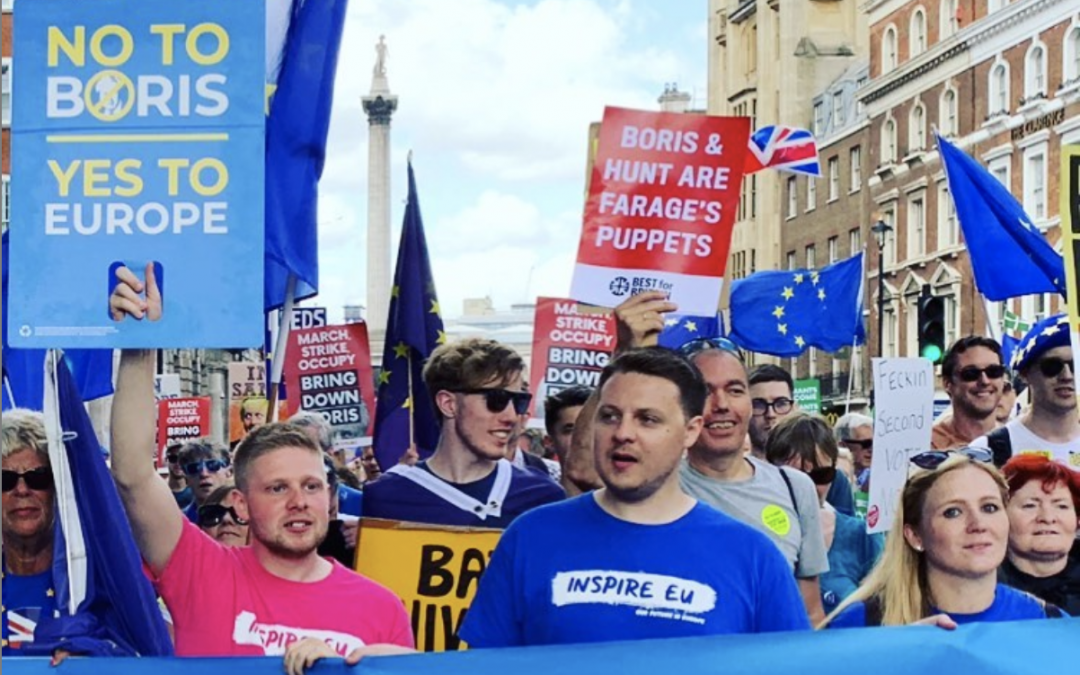
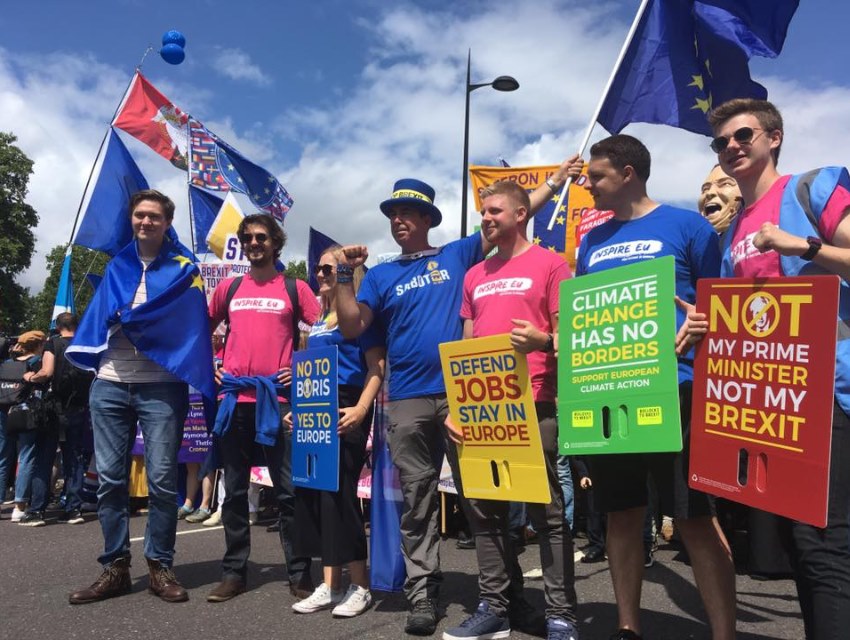
Brexit (and the climate emergency) has done a huge amount to dent political apathy among young people. With that said, it’s still been challenging attempting to convert that anti-Brexit energy into activism. For many young people, this comes down to ownership, and a feeling that the Remain movement is for middle-class, middle-aged, polite, beret-wearing Englanders; it’s not cool, it’s not edgy and it’s desperately lacking in youth representation. We’ve had many conversations with young people who admit mobilising for the Donald Trump protest and the climate protests, but not for the EU events. With that said, when it comes to voting, we’ve just seen record numbers of young people registering to vote.
7) Do University students tend to participate more in election voting than other young people who are not in further education?
Students certainly benefit from the information and advice universities give out during an election period. Additionally, campuses tend to become highly political which may also help to advertise the election. We’re certain that this election will see an increase in young people voting, as Brexit, the climate emergency and issues around mental health, housing and the NHS dominate.
A university community exposes students to new ideas and political discourse and offers a space for students to educate themselves about parties and policies, particularly through committed political societies and events. Other young people who are not in further education may be working and may therefore be less exposed to politics or have less time to vote. It is also likely that university students may be more likely to vote on policies that have a direct impact on them, for example policies surrounding tuition fees.
Many thanks to the Dart brothers for taking time out from campaigning to answer our questions!