Citizen’s Rights On The Agenda – House Of Lords – European Affairs Committee

Citizen’s Rights On The Agenda – House Of Lords – European Affairs Committee

A month ago, the new House of Lords European Affairs Committee was formed, to replace the now defunct EU Select Committee. As expected, many of the members of the former committee, including the Chair, Lord Kinnoull, transferred across to the new committee. This was fortunate for us, as our Vice Chair, Lisa Ryan Burton, and members of the Bremain Lobby Group, were already in contact with committee members.

When we conducted our recent Brexit Impact on Brits Abroad (BIBA) survey, Lisa advised the committee we were compiling a report, based on concerns raised by our members in their survey testimonials. The committee expressed an interest in seeing our report, and subsequently, and, we believe, as a direct result of our contact with them, I was invited to give evidence to the committee on 25 May.

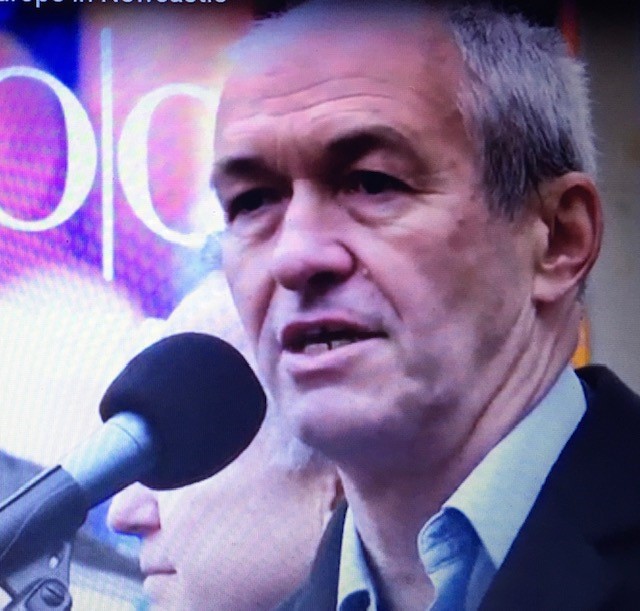
The first hour of the meeting was given over to representatives of EU citizens in the UK. The second hour was for UK nationals in the EU, where I was joined by Jane Golding, Chair of British in Europe, and Dr. Michaela Benson of Brexit Brits abroad.

The topics covered ranged from the implementation of our citizens’ rights provisions; to issues surrounding residency applications; from vulnerable groups to mobility; and from professional qualifications to government support, or lack of.

It is over four years since I first presented evidence to Hilary’s Benn’s House of Commons Brexit Committee. Many of the topics under discussion have changed very little in the interim. Some issues have been resolved as we’d hoped, some as we feared. Despite my experiences over the last five years, the pre-meeting nerves haven’t changed either. But I survived to tell the tale, and I hope I managed to cover the topics that concern you the most. Let’s hope the committee take our comments on board and help us hold the government to account. I look forward to reading their report in July.

To read more about the European Affairs Committee, click here

If you wish to view the 25 May proceedings, you can do so on the parliament channel here

Sue Wilson – Chair

Here are some links to reports about the Committee meeting:

The Local

The London Economic

Yorkshire Bylines

The Olive Press

Life after Brexit: What are the issues that worry Brits in Spain the most?

Life after Brexit: What are the issues that worry Brits in Spain the most?

From concerns about healthcare to problems regarding work and residency, a new survey reveals the main worries that are keeping UK nationals living in Spain awake at night, Bremain in Spain head Sue Wilson explains.

Back in April, Bremain in Spain launched a membership survey to investigate which Brexit-related issues were still of concern to our members. The ‘Brexit Impact on Brits Abroad’ working group (BIBA) was established and set to work on designing a survey that would encourage members to share their views and feelings.

The aim of the project was to discover how Brexit was impacting our members lives, employment, families and health, and what were their major concerns going forward. We received over 600 individual testimonies, covering a wide range of topics, with many more members contributing.

Whilst we don’t claim that our survey results represent the views of all, or even the majority, of our members, let alone those of all UK nationals in Spain, the issues raised will be recognisable to many.

Unsurprisingly, healthcare was a topic raised by many of our members. Despite government reassurances, fears of losing the protections afforded by the Withdrawal Agreement, whether likely or not, are very real.

One member, who wished to remain anonymous said, “I am worried that I cannot afford to pay for private medical insurance and will be left without recourse to any medical help at all.” Many others spoke of the effect on their mental health, such as Nicholas Evans, who said that despite feeling prepared and having made all the right arrangements, he still “felt awful” when Brexit actually happened. He said, “it has had a significant negative impact on my mental health. I feel disempowered, abandoned and betrayed.”


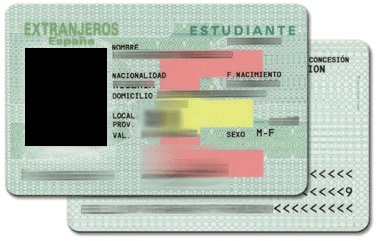
TIE Example

Applications for Spanish residency was another hot topic, especially for those that had been unable to get appointments and were keen to legalise their status. Judith Hughes said, back in April, “I applied for my residency on 23 December, and I am still waiting. It was impossible to book an appointment,” adding “it is difficult to move on so many fronts without having residency” – a point made by many who are unable to process their driving licence applications. I am delighted to be able to report that, as I write this, Judith has finally had her residency application approved. She told me, “I can’t believe it has finally happened. I had started to think it never would. The stress has affected my quality of life. Finally getting my residencia does not take away from the fact that life has been made infinitely more stressful and complicated by Brexit”.

You can read the full article over at The Local The Local

Votes for Life – a Bremain Campaign Update May 2021

Votes for Life – a Bremain Campaign Update May 2021

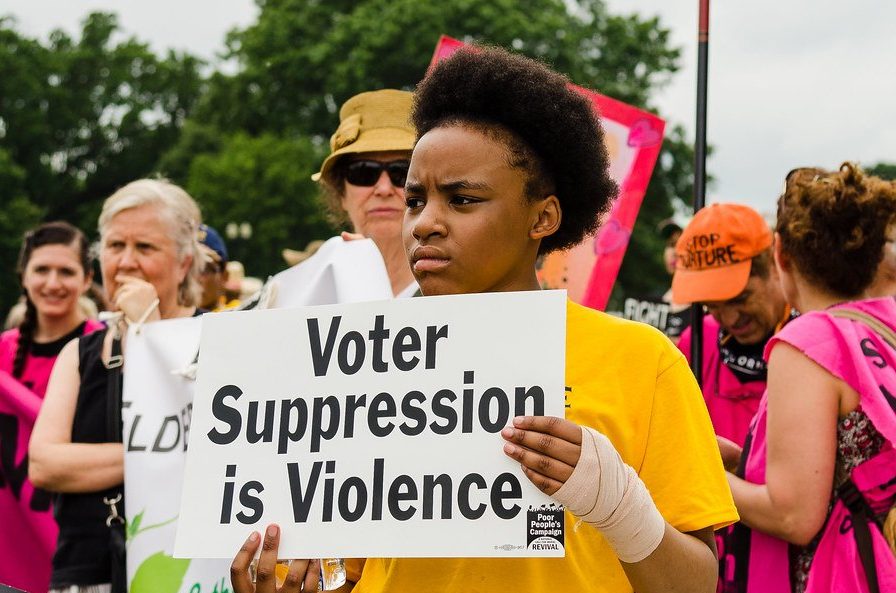
Bremain in Spain has been campaigning since 2017 for the repeal of the fifteen year rule which has prevented UK citizens living overseas from being able to cast their vote in UK elections. You can read the history of UK overseas voting in the House of Commons Library. Click the link to our Votes for Life Facebook Page or here to read more about our campaign.

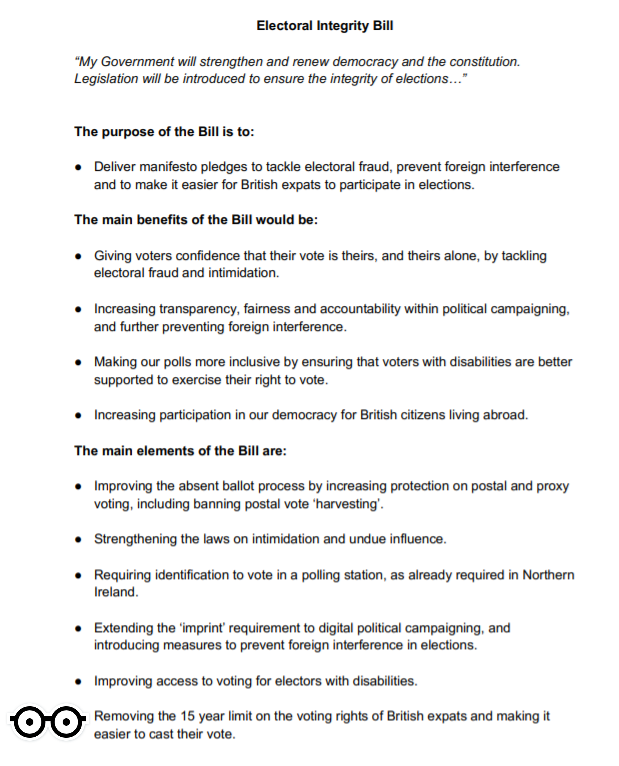
Most Western democracies allow their citizens living overseas to vote in elections with the exception of the ‘Mother of Parliaments’, but that is about to finally change. Since the 2010 General Election and each subsequent election, the Conservative party have pledged to repeal the fifteen year rule and provision was made in this year’s Budget in March – you can read more about that here. In yesterday’s Queen’s Speech, as part of the Electoral Integrity Bill, the commitment to remove the fifteen year rule was announced. You can read the briefing notes here


This means that the Bill should pass through Parliament in this current session but it is likely that some MPs will try to amend the Bill to prevent the return of voting rights. We therefore cannot sit on our laurels and expect it to pass without opposition. The Bremain team over the next few weeks will be planning how to ensure that we can equip you with as much information that we possibly can, along with some useful tools for you to use when lobbying your MP or the MP in your last UK constituency. This page and our Facebook Page will be updated so keep an eye out for further information in due course.

Our Chair Sue Wilson has just published an article for Yorkshire Bylines about the Electoral Integrity Bill which you can read here.

Meanwhile, here are some links to the Votes for Life announcement in the media:

The Guardian

Bermuda’s Royal Gazette

The Mirror

Bremainers Ask …. Richard Corbett, former MEP

Bremainers Ask …. Richard Corbett, former MEP

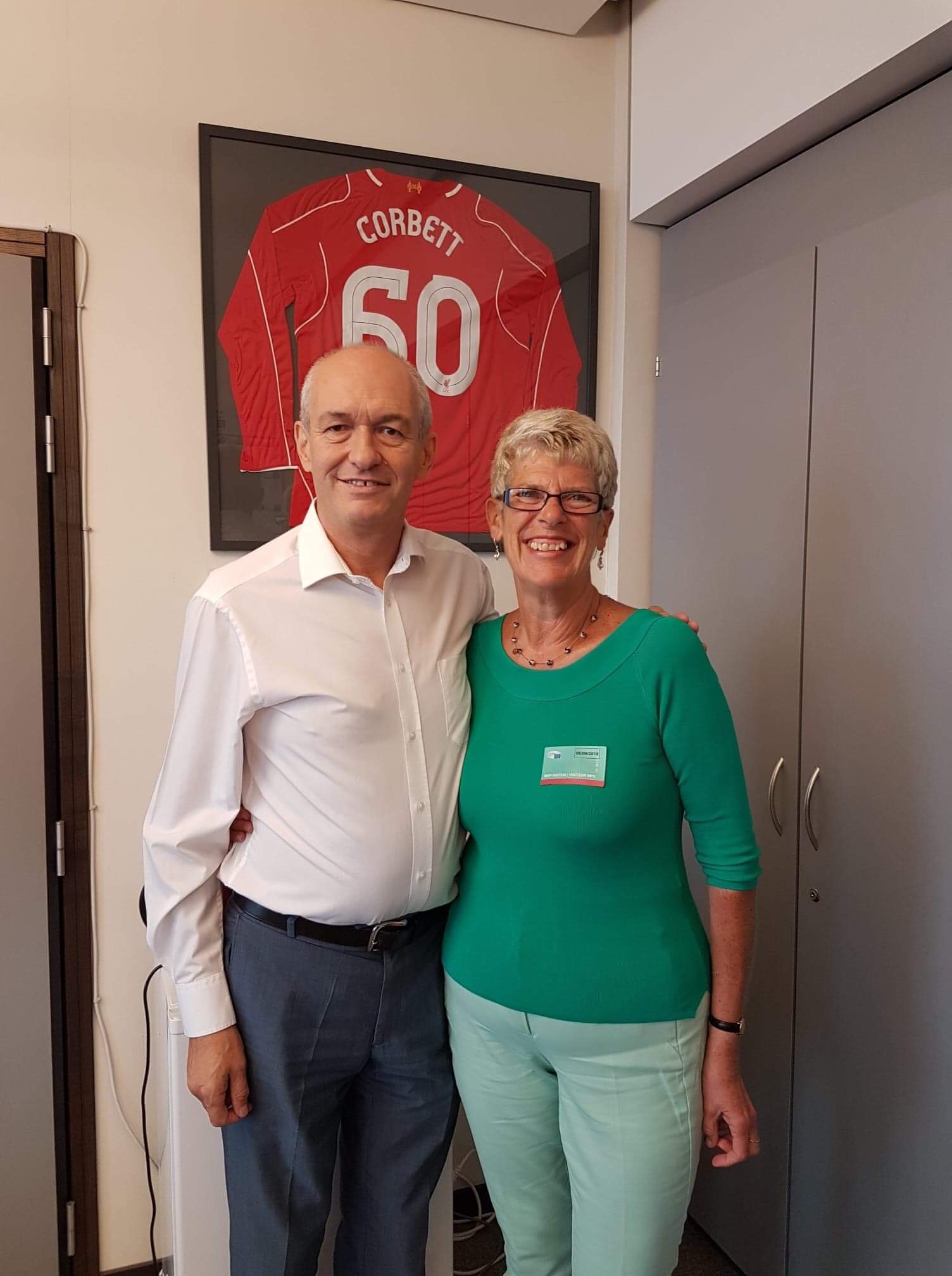
Richard Corbett was an MEP from 1996-2009 and 2014-2020. During that time, he was the spokesman of the Socialist & Democrat Group  on constitutional affairs, Parliament’s rapporteur on the Lisbon Treaty and, for the last three years, Leader of the Labour MEPs and therefore a member of Labour’s NEC and Shadow Cabinet. From 20010-2014, he was senior advisor to the President of the European Council, Herman Van Rompuy. He has written extensively on European issues from his regular blog to university textbooks.

Helen Johnston: How wary would the EU be of welcoming the UK back?

Brexit is bad for the EU too. Losing a Member State for the first time in its history, reduces its size, population and economy, and losing one which has a seat on the UN Security Council on the G-8 reduces its clout in the world. And what better advertisement for the benefits of EU membership and the perils of leaving than to see a return of the departed country? So, there would be considerable incentives for the EU to welcome Britain back, possibly even accepting some of the special features of Britain’s past membership, such as no obligation to participate in Schengen or the euro (on which point it would not be alone in the EU).

However, the EU would not want to risk going through the whole episode of Brexit again, nor would it want an obstructive member that blocked every new EU initiative. It would have to be convinced that Britain had genuinely changed its mind and that it would not walk out again a few years later. That in turn means that, politically, a new referendum would be needed, and won by a clear majority.

Michael Soffe: Do you believe the Labour Party should get behind the Votes for Life campaign and support returning the vote to UK Nationals who have been disenfranchised under the 15-year rule?

Yes. There is a growing number of citizens (not just from the UK) who fall out of the democratic system because they can no longer vote, either in their countries of origin or in their country of residence (except, within the EU, for local and European elections, but not national elections). This needs to be rectified.

Matt Burton: Many Remain supporters seem unable to forgive and forget Leave voters for Brexit. What would you say to those that blame them for our situation?

I would blame those who led the Leave campaign and those politicians who enabled Brexit to happen, rather than direct my ire at all ordinary leave voters who were lied to, not just in the campaign but over many years in much of the British press. 

Leave voters are entitled to say that Brexit bears no resemblance to what they were promised, namely that it would be easy, save lots of money (that would all go to the NHS), be good for the economy and have no down-side as “Britain holds all the cards”.  We need to get regretful Leave voters on our side. Talk to them!

Lisa Ryan Burton: Congratulations on your appointment as a secretariat member of the Conference on the Future of Europe. Why do you think a Brit was selected considering our departure from the EU, and what are the forum’s aims?

I suppose I was asked because of my previous experiences as the European Parliament’s rapporteur on the Lisbon Treaty and other things I did in the Parliament. My British nationality was secondary, but it does show that the European Parliament has nothing against Brits!

The Conference is intended to be the widest process of engagement with citizens that the EU has ever organized outside of elections, involving deliberative discussions and consultation exercises in all Member States, pan-European Citizens Panels with randomly selected participants, discussions with civil society organisations, and an interactive Multilingual Digital Platform on which any group of citizens may place their contribution. These will all feed ideas and proposals into a Conference Plenary, composed of representatives of the national parliaments, governments, European Parliament, regions, social partners, and civil society representatives. It therefore has the potential to engage a vast number of citizens in informed debate about the EU and its future and to distil broadly accepted demands about EU priorities and the way it works.  

Richard Corbett, Labour MEP

Steven Wilson: Do you miss your days as an MEP, and would you consider running as an MP in Westminster?

The European Parliament is a fascinating, diverse and innovative place to work. Unlike many national parliaments, who are often controlled and stifled by their government through its loyal majority and strict whipping, the European Parliament is freer, is not stifled and holds genuinely pluralistic debates. Majorities are built through explanation, persuasion and negotiation, not handed down by ministerial dictat. MEPs actually shape European legislation in a way that backbenchers at Westminster can only dream of.

Pat Kennedy: If you were leader of the Labour party, how would your approach to the E.U. and the fall-out from Brexit differ from the current Labour leadership?

I don’t think Labour can avoid addressing the considerable problems arising from Brexit in general and Johnson’s deal in particular. Job losses, disruption to supply chains and exports, losing access to shared police databases, extra costs to businesses and administrations, failure to fully protect rights of UK citizens resident in the EU and EU citizens in the UK, and the gratuitous vandalism of leaving the Erasmus student exchange scheme – the list goes on. And on.

Keir Starmer has focussed on criticising the government’s incompetence, its cronyism and its failures to address the COVID pandemic quickly enough.  It is time to broaden that attack.

Next month’s Bremainers Ask guest will be Lord Andrew Adonis, the newly appointed Chair of European Movement UK and a staunch anti-Brexit campaigner.  If you have a question for Lord Adonis, please email it to us before 7 May at enquiries@bremaininspain.com.