Bremainers Ask ….Naomi Smith, CEO Best for Britain

Bremainers Ask ….Naomi Smith, CEO Best for Britain

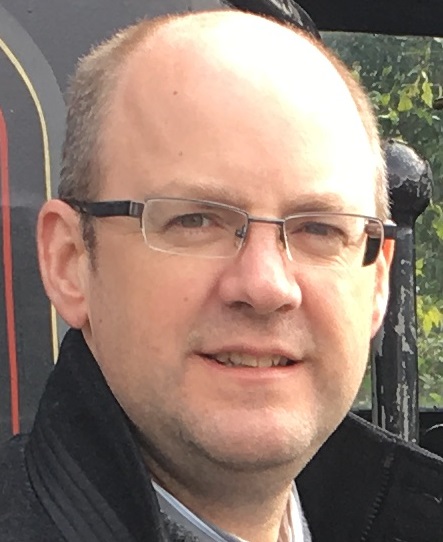
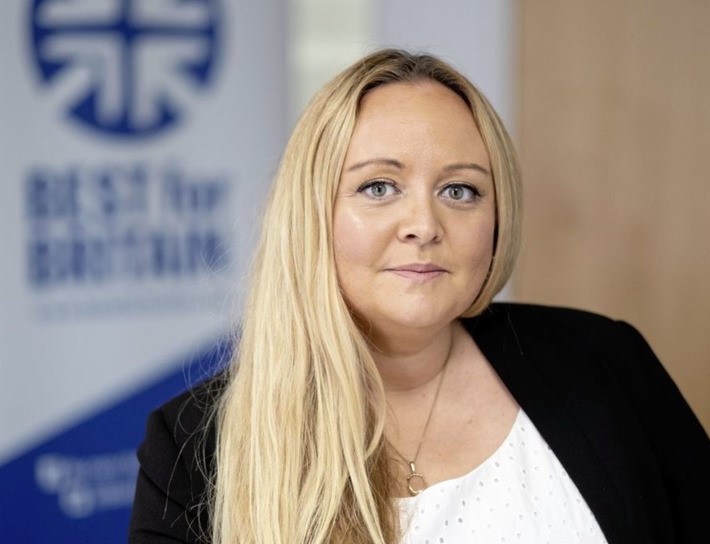
Naomi Smith has been CEO of Best for Britain since June 2019, having previously served as its COO.

Immediately before joining Best for Britain, Naomi was Executive Director of Campaigns at the business lobby group London First, where she organised the group’s campaign to stay in the EU, at the 2016 EU Referendum.

Naomi previously spent 15 years working in finance and accounting for companies including Arthur Andersen, Deloitte and the Chartered Institute of Management Accountants, as well as chairing voluntary groups.

Naomi also co-hosts the very popular Remainiacs podcast.

Many thanks to Naomi for taking part in our Bremainers Ask feature. Here are her answers to your questions:

Pat Kennedy: What can we all best do to make this Government accountable for the disaster that is Brexit?

Naomi Smith: Brexit is not done yet and, with the world in crisis, it’s more important than ever that we encourage the Government to delay the Brexit process, to give both Britain and our EU friends a realistic timetable with which to work.

Political accountability comes at the ballot box but, thanks to our first-past-the-post electoral system, Britain is a Remain country with a Leave Government. As fervent internationalists, our time is best spent working to ensure Britain and Europe remain as close as possible, with a view to rejoining the EU at some point in the future.

It is far better to act positively, making the strongest possible case for European integration, than find ourselves brooding about how to take revenge for the Brexit fiasco. To turn things around, we need to bring even more voters on side so that, come the next opportunity to hold the Government to account in an election, we have the upper hand.

In short, putting a pro-European Government in power would be the best possible way of holding all of Westminster to account – but not to ‘get our own back’. Rather, because that is what we believe is best for Britain.

Michael Soffe: Will Best for Britain throw their full weight behind any movement to Rejoin the EU?

Naomi Smith:  The EU has many totemic elements for us: human rights, freedom of movement, internationalism, to name but three. Protecting these elements amid the current chaos is of the utmost importance.

We remain committed to the ideals of the EU and, ultimately, to putting Britain back at the heart of Europe.

The last few years have been tough for Remainers. The Brexit referendum result was a body-blow, and I was certainly not the only person to be left in tears when that result became clear.

The recent General Election was also a chastening experience – we helped encourage millions of citizens to vote tactically, for pro-EU candidates, but that was not enough. The huge marches, the remarkable campaigns, the fact that the majority of voters backed pro-EU parties … none of that was enough.

When the time is right, the fight to rejoin is a fight we will be at the front of. It should be at a time of our choosing, on a battleground of our choice. The lessons of the last few years must be learned, and we must find a way back to Europe’s top table.
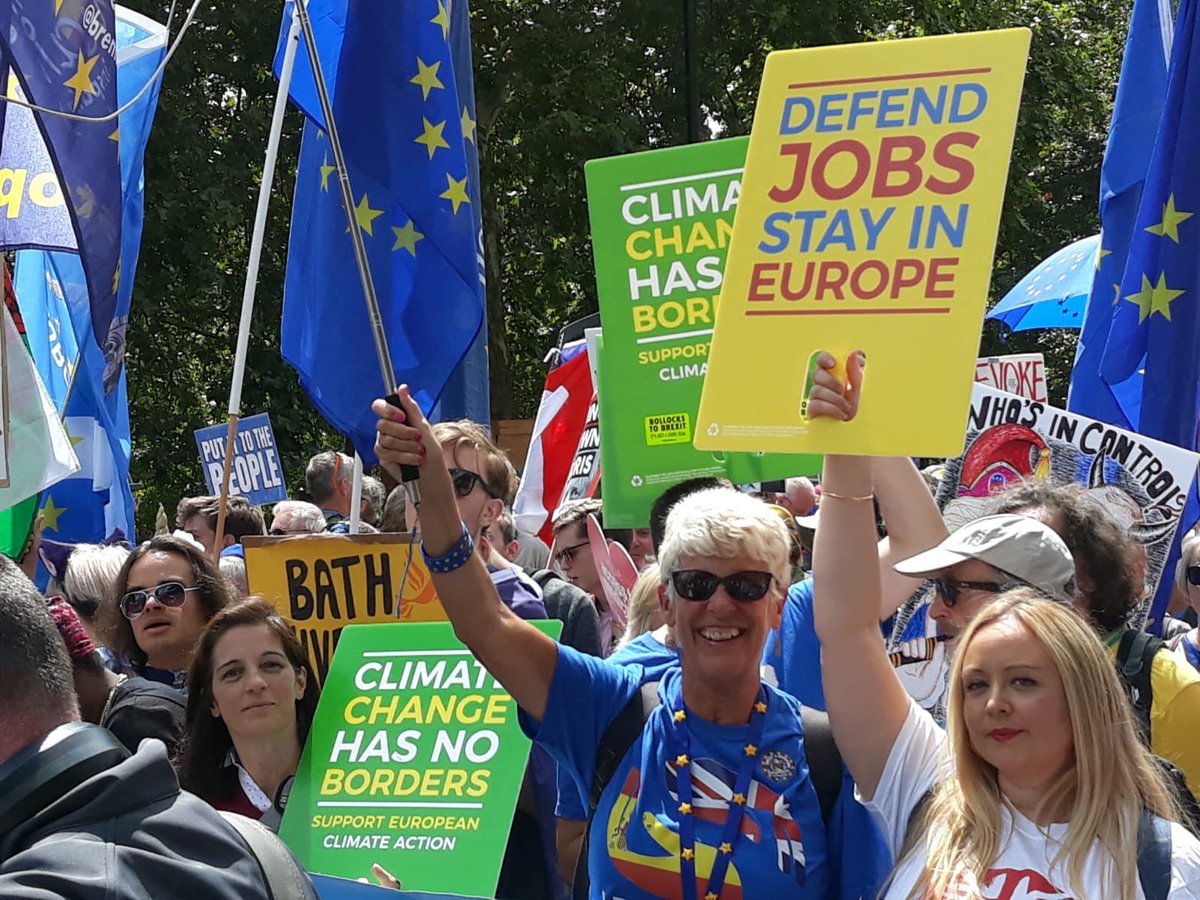
Our Chair, Sue, with Naomi at the March for Change, London, July 2019

Steven Wilson: Do you think that the current coronavirus crisis makes an extension to the Brexit transition period more likely, perhaps even inevitable?

Naomi Smith: By the time you read this, an extension may well have been agreed. It is neither reasonable nor desirable to expect the EU divorce process to be completed by December 31st, and nor is it acceptable for Brexit to be a distraction from battling coronavirus.

With civil servants reportedly being diverted from No Deal planning to coronavirus work, and with a Prime Minister facing the pressures of daily virus press conferences and Cobra meetings, it is clear that the system is being hugely stressed from top to bottom.

Coronavirus must take precedence – it is a global threat, after all, while Brexit is a much more localised disaster. It will take everything we have to get through the covid-19 pandemic, leaving Britain – and the EU – unable to focus properly on Brexit.

The 31st December Brexit deadline was always exceedingly ambitious, driven by the Government’s political will rather than any pragmatic reading of the challenges of divorcing us from the EU.

Now, it is patently ludicrous, and also unfair on all of those involved in the process. Videoconferencing is no substitute for face-to-face meetings, or the discussions that go on after such meetings have formally concluded. Even skilled professionals cannot be expected to perform at their peak if they are impacted by coronavirus, or worried about the effects it is having on loved ones.

One final point. Experts point to the risk of the virus hitting us in a second wave, near the end of the year… just when maximum pressure around Brexit and, particularly, a catastrophic No Deal Brexit, would be building. The Government has a chance to avoid such a calamitous confluence of crises and will surely enact a delay of some sort.

Tamara Essex: When Cabinet ministers claim there will be no checks with a new trade deal, are they generally aiming to mislead, badly informed or being completely unrealistic?

Naomi Smith: I can say with certainty that they are being unrealistic, because countless experts say so. Whether they are aiming to mislead or are badly informed is conjecture, and not something we should focus on.

Best for Britain is a data-led organisation; we look at the figures, gather the evidence, and then make our position clear. Discussions about whether politicians are misleading us are (let’s be honest) fun but they are also a dangerous distraction.

Politics is about presentation as well as policy, and facts get bent all the time. We might not like this, but it would be naïve to think it didn’t happen (pick your own favourite ‘fact that wasn’t’ from the Brexit campaign…).

As Guardian editor CP Scott said almost 100 years ago, comment is free … but facts are sacred.
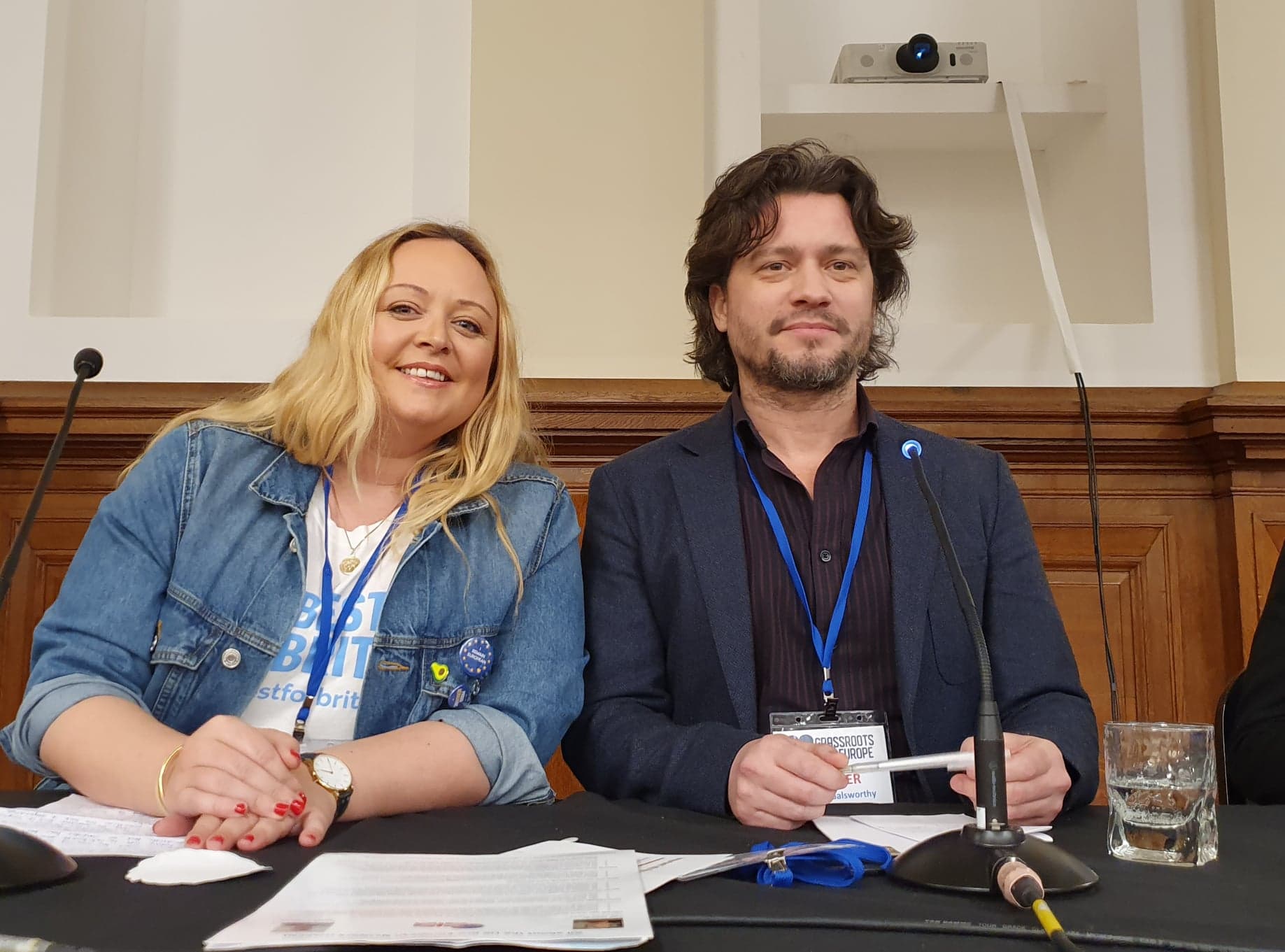
Naomi Smith and Mike Galsworthy

John Moffett: Does Best for Britain have a role lobbying the EU to influence the future relationship or do you see its role as solely holding the UK government to account? 

Naomi Smith: In the run-up to the General Election, we took a delegation of British MPs to Brussels to speak with senior counterparts from other countries, so we have form in building bridges between Britain and Brussels. Our aim is to do what is best for Britain, and that involves work behind the scenes, as well as the high-profile things we have been involved with such as marches and media appearances.

If us being a conduit between the UK and the EU strengthens the bonds between us, and accelerates the process of us getting back together, then it will have been time well spent. We are, after all, in this thing together


https://www.bestforbritain.org/
https://www.remainiacs.com/

Many thanks Naomi for taking part. Next month we are delighted to be featuring Ian Dunt, Editor of Politics.co.uk & Host of Remainiacs.

Bremainers Ask Revisited Part Two

Bremainers Ask Revisited Part Two

With the changing political landscape, Bremain invited former contributors to our Bremainers Ask feature for their thoughts on the subject. We asked them to comment on where we are now, how they see things moving forward and what we pro-Europeans should be focusing on in the future. Here’s the second update. 

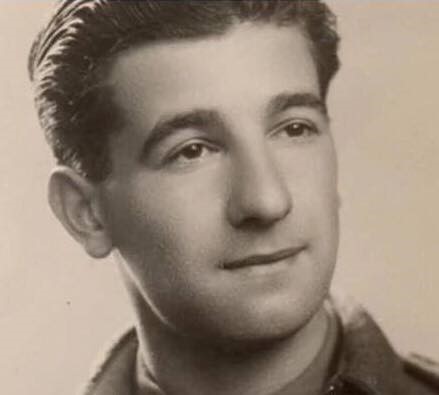
Harry Shindler

Harry Shindler MBE – Veteran Campaigner

After Brexit, what happens now? I was, and remain, against the idea of Brexit. I am not about to set out all the arguments against Brexit, but we were warned, and we didn’t heed the warnings.

There has been peace in Europe for almost 80 years – it’s never happened before. Without Brexit, it could have continued.

We have been fighting ‘the good fight’ for many years. During our campaign we have had promises made that our right to vote would be returned to us. The promise was made in general election manifestos, by three prime ministers, and Her Majesty the Queen, when opening parliament.

We must carry on our campaign, with even more determination. To all our friends and supporters, be of good cheer and keep up the good fight. As was said during the war, “we must win, and win we shall!”


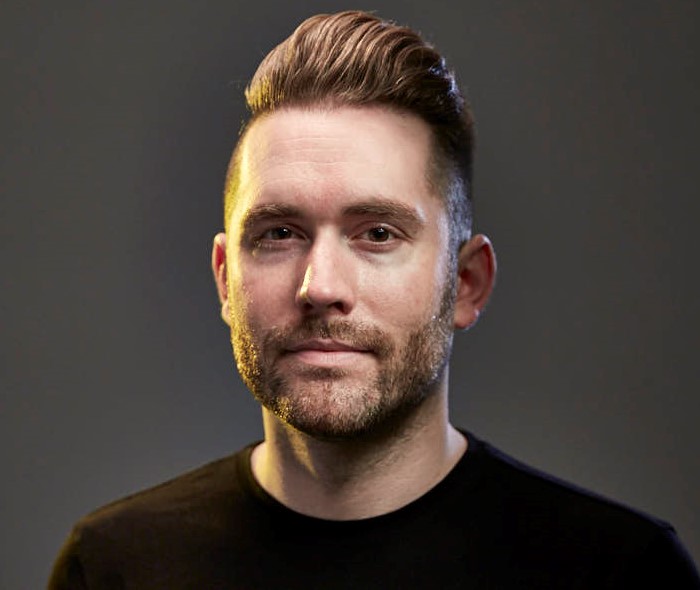
Kyle Taylor – Founder/Director Fairvote UK

It’s the morning after “Brexit,” which came with more of a “womp womp” than any spectacle. Why, you ask? Because despite the “perfect vision” metaphor suggested by the year, we’re no closer to clarity on what Brexit will actually mean. That’s mostly because the 31 January “exit day” only included exiting having any say on the future of Europe. We became – until at least December 2020 – a rule taker with no rule-making powers. The first step in “taking back control.”

Kyle Taylor

The framing of the general election result is that it was a “consensus on Brexit.” I believe it was more a consensus on a desire for clarity and certainty, even if what’s certain is Brexit. This is the major difference between the political attitudes of our European neighbours and American friends across the Atlantic: Britishness demands a stiff upper lip, even when you don’t like it. This is particularly difficult for British citizens living in the EU, who have neither clarity nor certainty – perhaps the greatest abandonment by this government of their immediate responsibilities to their citizens.

While that fight must continue, the broader strategic aim must be to let the Conservative government attempt to keep their impossible promises, waiting for the next flashpoint in the autumn. This isn’t about “I told you so.” It’s about “You told me so.” It’s clear from the failure of the Remain movement of the last three years that Brexit must be acutely felt for people to understand its true effect. Only then can we muster the nation to spend the next decade undoing the damage.


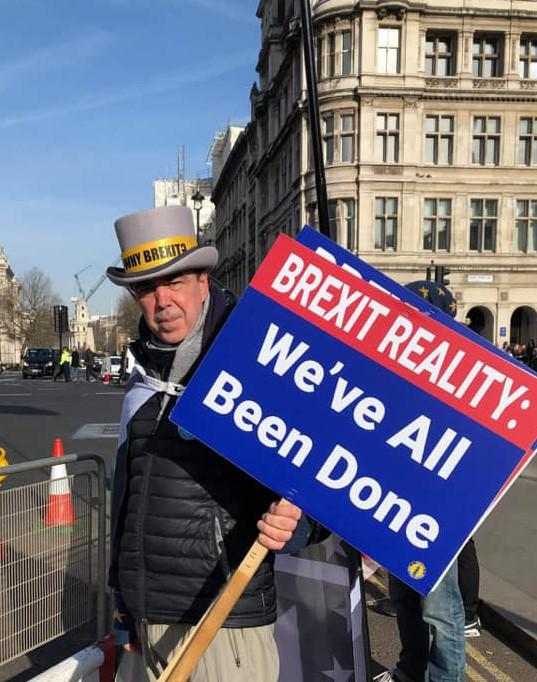
Steve Bray

Steve Bray – Mr. Stop Brexit

Social justice is very important to me and it is the reason that I took on the fight to #StopBrexit. That hasn’t changed. We have even more to fight for now.

I have never blamed the majority of people who voted to Leave. Deprived areas voted massively to Leave on the basis of promises of a better life. Why wouldn’t they? But they were lied to by the architects of Brexit who now occupy the highest posts in the UK government. 

I started the protest group SODEM (Stand of Defiance European Movement) in summer 2017 in Old Palace Yard, SW1. I stood there – at first by myself – and later was joined by hundreds of Remainers from grassroots groups across the UK and beyond, including Bremain In Spain. The name has now been changed to: Secure Our Destiny Europe Matters. 

Right now it’s important to channel our anger towards those who pushed hard to deliver Brexit – Johnson, Gove, Cummings et al and not those whose believed and bought the lies. The truth is that with #GetBrexitDone, we’ve all been DONE. But we will hold them to account. It’s important right now to focus on our local pro-EU groups, build the communities and look ahead to how, united, we can hold them to account and look towards re-joining the EU. 

I would really like to take this chance to thank everybody for their support over the last few years of the #SODEM protest outside parliament – for their support, encouragement and donations, and for standing with us at Westminster. The SODEM protest continues every Wednesday that parliament sits for PMQs because somebody has to #HoldThemToAccount. 

Many thanks to our contributors this month. Watch out for Part Three next month. 

March in Malaga – Bremain Annual Strategy Meeting & AGM

March in Malaga – Bremain Annual Strategy Meeting & AGM

On Saturday 7 March, the Bremain Council gathered together for our annual strategy meeting, to discuss every aspect of Bremain business. The most important agenda item was determining our goals, aims and strategies for our short/medium term future. We came up with a comprehensive list for the rest of 2020, and determined that with the unpredictability of Brexit, looking any further ahead at this stage would require a much more powerful crystal ball!

Other topics discussed included council roles and responsibilities, our current campaigns – #Letters2Europe and #VotesForLife, merchandising and fundraising, a membership drive, collaborations with other groups, and regional group activities.

The council also spent time revisiting our website, Facebook group, Facebook pages and Twitter account descriptions to update all relevant information in line with the new post-Brexit landscape, and to reflect our new aims and strategies.

On Sunday 8 March, the council were joined by Bremain in Spain members for our Annual General Meeting. Bremain accounts were introduced, Chair and council members were re-nominated and voted for unanimously, and the Bremain Annual Report was presented.

The Annual Report included details of membership numbers and growth, affiliations, a review of 2019 including our achievements, and our newly agreed goals, aims and strategies for 2020.

The audience took an active role in the meeting, with animated discussions and lots of questions on a variety of topics including: Votes for Life campaign suggestions, merchandising ideas, sponsorship, expanding newsletter readership and extending our reach in Spain. All attending members then joined the council for lunch in the garden, where the discussions continued in the sunshine.

Thank you to all those that attended, for your ongoing support, and for the great feedback we received following the event – you helped make it an enjoyable, interesting and successful afternoon. See you next year!

Many thanks to Jim Westlake who took all the photos. 

Bremainers Ask ….. Richard Wilson

Bremainers Ask ….. Richard Wilson

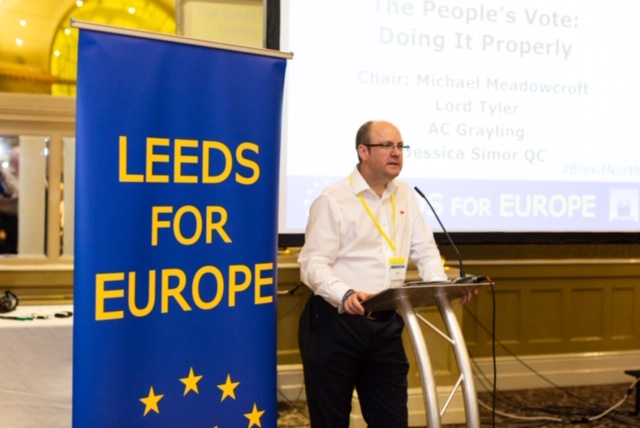
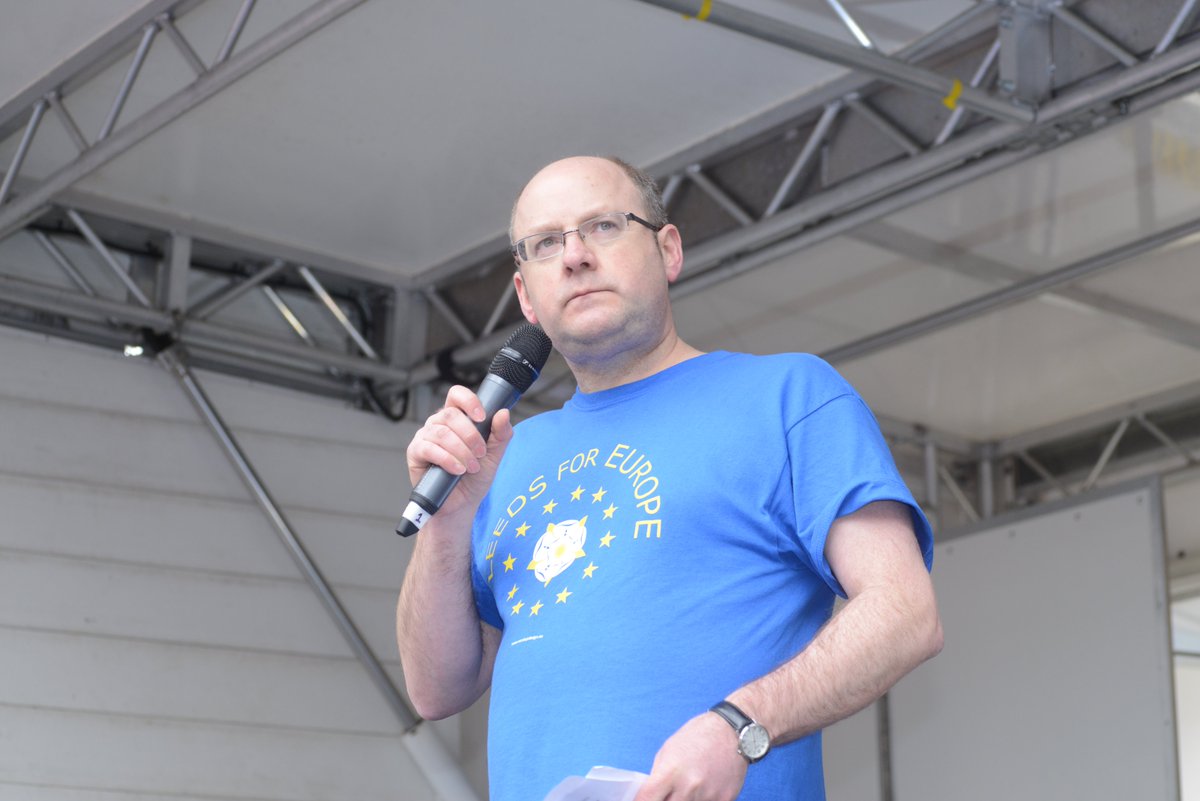
Richard Wilson was one of the founding members of Leeds for Europe in January 2017.  He is currently Chair of the group, which has grown to become one of the leading pro-EU campaign groups in the UK.  He was heavily involved in organising the Great Northern Stop Brexit March in Leeds in March 2018 and has appeared on Sky News, BBC Look North, ITV Calendar and BBC Radio Leeds.

Richard was also one of the founding members of Grassroots for Europe, a network of up to 250 pro-EU campaign groups whose purpose is to bring grassroots group leaders together to share ideas, support grassroots-led initiatives, represent the interests of local groups and generally encourage networking amongst grassroots activists.  In that role he was one of the organisers of the “Where Now For Remain?” conference held in London on 25 January 2020.  He is currently Chair of Grassroots for Europe and was also recently elected as Vice Chair of the European Movement UK.


Do you think the Remain movement is working as effectively as it could? What could be done to bring more cohesion and strengthen our voices even further?  

Sadly, the fact that Brexit was “done” on 31 January 2020 means that the Remain movement did not work as effectively as we needed it to. But we mustn’t beat ourselves up about this. We faced an unhappy combination of extremely hostile factors – a ruthless, unscrupulous Leave campaign, a weak, unprincipled official opposition, a rabidly Europhobic UK media and a country cracking after a decade of harsh austerity. We had to construct a new campaign from scratch and race to get it up to speed in time to halt Brexit with what was initially a 2/3 year window of opportunity. What we have build since the referendum – the largest, most passionate, pro-EU movement anywhere in Europe – is astonishing. But, of course, it was not enough to stop Brexit from happening – at least in name.

The starting point for bringing more cohesion and a stronger voice has to be agreeing a clear vision for our movement. The good news – based in particular on what we heard at the Grassroots for Europe conference in London on 25 January – is that there is a high level of consensus across our movement about what we need to do now. This includes – campaigning on the rights of EU and UK citizens, defending freedom of movement, holding the government to account for its promises and decisions on Brexit and rebuilding momentum towards a Rejoin campaign which can kick in as soon as political circumstances allow it.

Organisationally, we need the key national groupings to put past disagreements aside and come together to agree a coordinated and cooperative campaign. This does not necessarily mean a single campaign – there is value in diversity – but it does mean developing a high level of trust and friendliness between the various organisations, so that the whole becomes more than the sum of the parts.

The Great Northern Stop Brexit Conference Leeds 2018

With the benefit of hindsight, is there anything you wish the Remain campaign, or you personally, had done differently over the last 4 years?

When I first got involved in this campaign, back in January 2017, I believed that we would not succeed unless and until we managed to shift public opinion to at least a 60/40 split in favour of cancelling Brexit. Once we had got to something like that level I thought that there would be an almost tangible desire in the UK for a rethink. One way or another this would have led to either the outright cancellation of Brexit, a 2nd referendum or – at the very least – a substantial watering down of the rock hard Brexit favoured by Theresa May and Boris Johnson.

The People’s vote, however, focussed almost entirely on the mechanics of getting a 2nd referendum, without putting much apparent effort into explaining to people why Brexit was an epic mistake, founded on lies, misinformation and an abuse of our democratic system, and on making the positive case for Remaining, based on the principles of preserving and spreading peace, prosperity, freedom and democracy across the whole of our continent.

This meant that PV were always trying to push a rock uphill in parliament. With a fairly static 52-53% of the British public in favour of Remaining, there simply wasn’t enough pressure being exerted by public opinion to create the support in parliament for positive action to stop Brexit. Ultimately, the PV campaign ran out of road.

So, in answer to the question – the Remain movement should, from the very beginning, have fought a far more optimistic, clear and emotional campaign to give the British public powerful reasons for wanting to stay in the EU and to counter the nasty, negative and deceitful campaign being run by the Brexiters.

How do we re-energise campaigners who have switched off now that Brexit has happened?

I was involved in organising the Grassroots for Europe “Where Now For Remain?” conference in London precisely for that purpose! Immediately after the General Election I was concerned that the momentum of our movement could start to dissipate and that groups might – unnecessarily in my view – start to question the ongoing relevance of their campaigns.

I was inspired by the overwhelming response to the conference (we sold all 450 tickets weeks in advance and had a lengthy waiting list) and felt massively reassured that campaigners remain committed to the long struggle ahead of us.

I think campaigners are now looking for unity from the movement and a clear sense of direction. Grassroots for Europe are aiming to act as an “honest broker” in bringing as many parts of the movement together as possible to work for our common goals. We don’t believe in monolithic structures, but we do believe in co-operation and some level of co-ordination.

In the short-term, we can maintain energy levels by going for some quick wins i.e. campaigns where we can align ourselves with the bulk of public opinion and thereby force the UK government to change course. Initially, I would suggest that campaigns on freedom of movement, the rights of EU citizens in the UK, the rights of UK citizens in the EU and the defence of EU standards on animal welfare, the environment, consumer protection and workers’ rights offer opportunities to us.

At the social level, initiatives such as Euro cafes are a great way to keep activists energised, without it seeming like too much hard work!

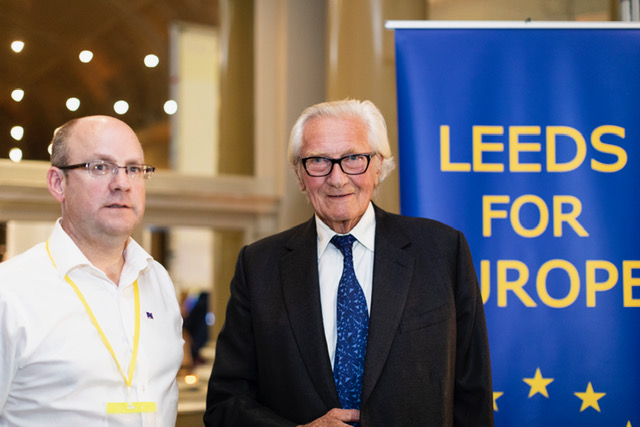
Richard with Lord Heseltine

Despite a powerful pro-EU grassroots movement, we were let down by parliament agreeing to a GE. What lessons have we learned on improving lobbying and influencing politicians in the future?

In spite of my criticisms of the People’s Vote campaign, this was one area where they probably did a reasonably good job in very difficult circumstances.

My understanding is that in late 2019 we came exceptionally close to succeeding in getting a People’s Vote agreed in principle by parliament, and that would have been an amazing result.

To be fair to PV, they were having to work with a Labour Party leadership which was ambivalent at best on the question of Brexit and with Conservative MP’s who repeatedly failed to step up in the numbers required when they were needed.

Perceptions of party-political bias within the leaderships of the national organisations were probably the biggest self-inflicted impediment to greater success in building a united and effective anti-Brexit coalition in parliament. So, next time round we need to ensure that the national campaign organisations are scrupulously balanced in their political stance and even-handed in their public and private dealings with politicians. It is not reasonable to exclude party-political politicians from the national campaigns, but they must be seen to put the interests of the pro-European cause above their own parties’ priorities.

How can the Remain movement mitigate the damage of Brexit in the ongoing negotiations?

In the face of a Johnson/Cummings led government, with a stonking 80-seat parliamentary majority, are power is limited. To be brutally honest, we are going to have to accept that there will be considerable damage. Our job as campaigners will be to make sure that the blame for this damage is placed squarely where it belongs – on the Brexiters.

Richard Wilson

We need to be careful not to fall into the trap of being “miserabilists” – seizing on every single bit of bad news and trying to pin it on Brexit. If we do that, we will be accused of crying wolf and our messaging will start to become ineffective. However, there will undoubtedly be a lot of really bad things happening. We need to identify those Brexit-induced bombshells which the public really hate and make absolutely sure that everyone fully understands the cause. One example is the Brexiter who complained about having to queue at Schiphol airport recently. A small incident, but a powerful and negative foretaste of what is to come as the UK government’s tough new immigration regime comes into force.

Would the Remain movement be more effective if it pulled together or are we better forging ahead within a loosely organised structure? 

Probably both! We certainly need to pull together in the sense of agreeing common objectives and being coordinated in our campaigns. It is clearly unhelpful if groups/organisations are cutting across each other, negating each other’s messages and appearing to be chaotic and in conflict with one another. At the same time, there is great value in allowing local groups to flourish and not be stifled by top-down control – in fact, this has been the most positive aspect of the Remain campaign so far.

So, what we need is a loosely organised structure which is pulling together! My own view is that the European Movement UK, of which I am Vice Chair, can provide the solid platform for our movement. It has money, staff, an office, 126 affiliated groups, thousands of paying members, political connections and a history going back 70 years to the aftermath of the 2nd World War. I am encouraging those local groups which are not currently affiliated to do so.

At the same time, the European Movement cannot do everything. This is where the grassroots come in! We have thousands – or tens of thousands – of committed activists. Many of us are highly skilled, knowledgeable and experienced campaigners. We are willing to commit enormous amounts of time and energy to the cause. And we can do this independently, without being given orders from above. There is no reason why we should lose this wonderful capability. That’s why I Chair Grassroots for Europe, which aims to support the grassroots groups by linking them up with each other, bringing forward grassroots initiatives, sharing best practice and representing the interests of the grassroots groups and activists in the face of the big, national organisations.

Hopefully, this twin-track approach will give us the best of both worlds.


Many thanks to Richard for taking part. Next month we talk to Naomi Smith, CEO Best for Britain.

What Bremainers did on Brexit Day

What Bremainers did on Brexit Day

On Saturday February 01 2020 the Bremain Facebook group took a day off. We stopped all posts and comments but asked members to share pictures and stories from how they had spent by commenting on an admin post. Here’s a flavour of what some of our members got up to:

Mountain Flag

“I climbed a mountain, alone, with “You’ll never walk alone” going round and round in my head. The aim was to make myself really really tired and sleep through all of it. It worked.
It took ages to get a reasonable photo, because it was one of those self timed 10 seconds to run into position jobs. Once I did, I realised I hadn’t put my blue jumper back on, so I had to do it all over again. No easy task considering I was perched on a rocky summit with sheer drops all around.
I took my Cornish flag with me to show solidarity to my Cornish friends who were having a candlelit vigil outside Truro Cathedral.”

“I had some English friends round for dinner and, although there was no conscious agreement not to discuss ‘it’, we chatted about family, cats, holidays, house moves and all sorts of normal things until we realised it was 12.30. I forgot to take photos. I have a sore head this morning. I think it was all good. This was the menu.”

Menu
RW

“We shared a wonderful evening with a bunch of lovely like-minded people in Malaga. (Alcohol was involved!)”

“We were determined to ignore the clock, ignore the event, & have a fun, romantic evening enjoying the life we love in Spain. Mission accomplished.”

SW
SR

“I was in the land of nod when the clock struck 12 😴 Although I never made it to any of the UK marches, I did my bit on the Balcon de Europa in Nerja in support of the London march on 19 October 2019.
Always UNITED IN DIVERSITY”