UK needed an exit strategy, they got another slogan!

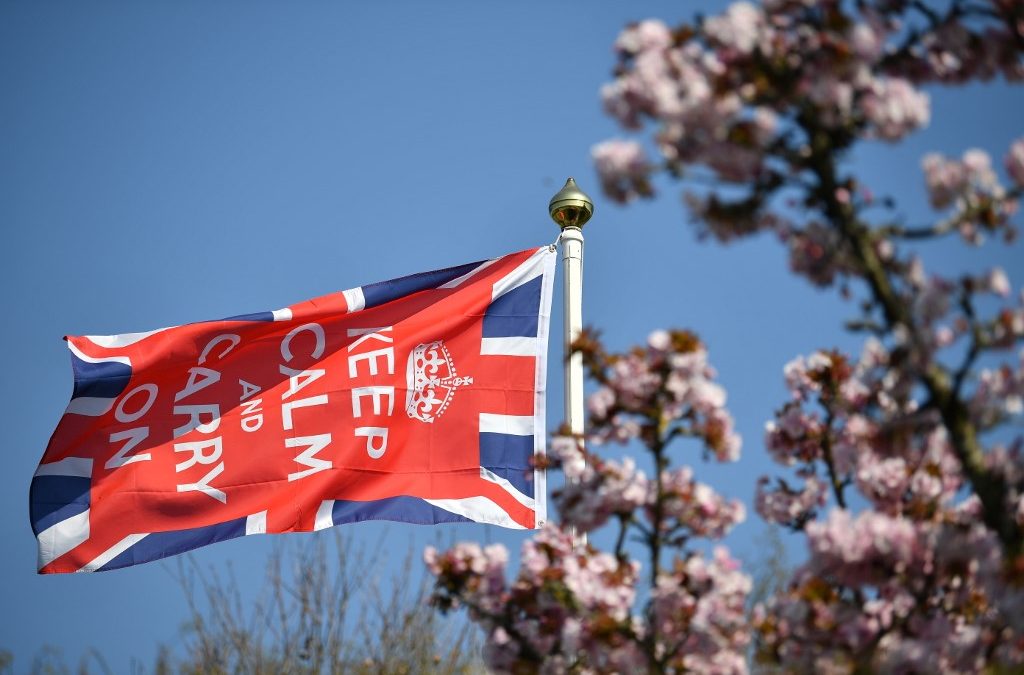
UK needed an exit strategy, they got another slogan!

Sue Wilson compares the mixed messages from Downing Street with the clear road map issued by the Spanish government.

This week, Spain takes another tentative step towards lifting its lockdown restrictions. Many regions are entering the new “Phase 1”, with further freedoms granted to the 51 percent of residents affected.

The relaxing of lockdown here echoes the efforts of other countries across Europe. Governments are considering what steps to take, and when. 

They are coming under increased pressure from opposition parties, business, media and public to juggle the demands of economic wealth versus public health. In some cases, not least in Britain, protecting livelihoods seems more of a priority than protecting lives.

Much as we might want a return to “business as usual”, it’s hard to see how that could happen anytime soon. We must adjust to new ways of doing everything, while remaining conscious of the health threat. As Boris Johnson might say, we must “stay alert” to the dangers.

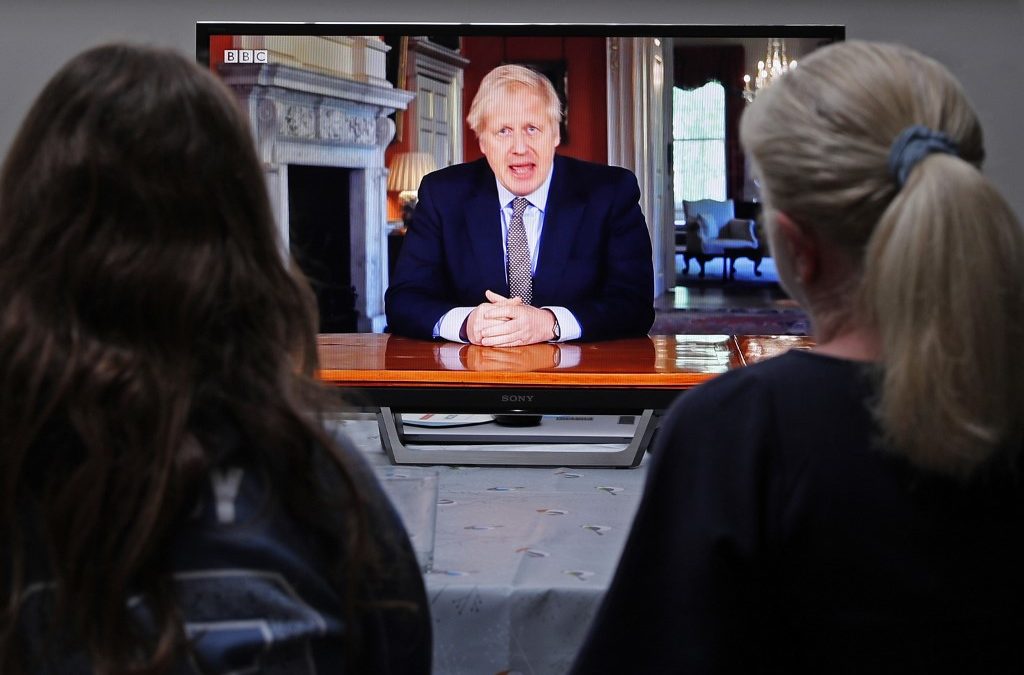
While the message from the Spanish government about the lifting of restrictions was clear, the message from the UK government was not. For several days before Johnson’s Sunday evening announcement, the British media was full of the ‘news’ that lockdown measures were about to ease.

Mixed messaging from the British government during the coronavirus crisis is nothing new. Last weekend was no different and required minister after minister to downplay media speculation.  It seems talk of additional freedoms had been somewhat exaggerated.

Word had spread that the government was dropping its “stay at home” message, to be replaced with the new slogan, “stay alert” – whatever that’s supposed to mean. A damage limitation exercise was then required to persuade the British public to stay home during the bank holiday weekend.

You can read the article in full in The Local. 
Mixed emotions on stepping out …..

Mixed emotions on stepping out …..

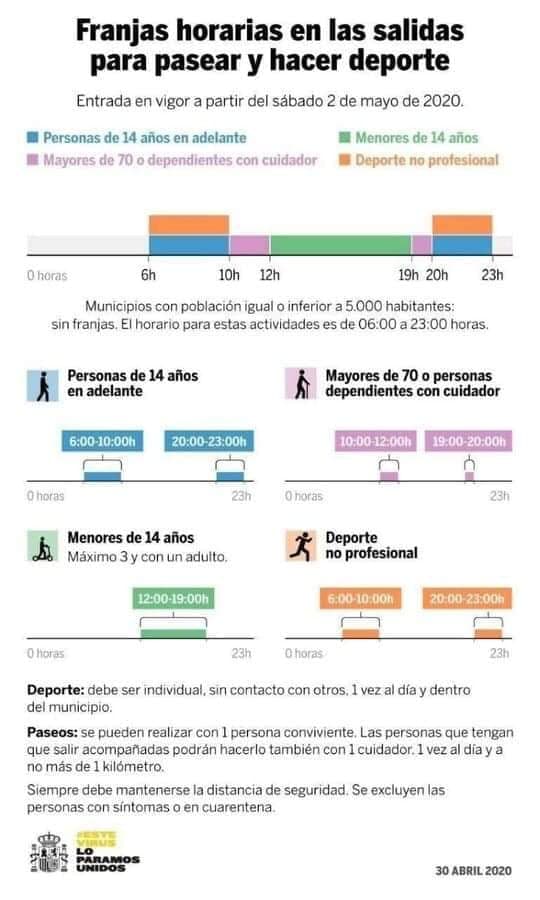
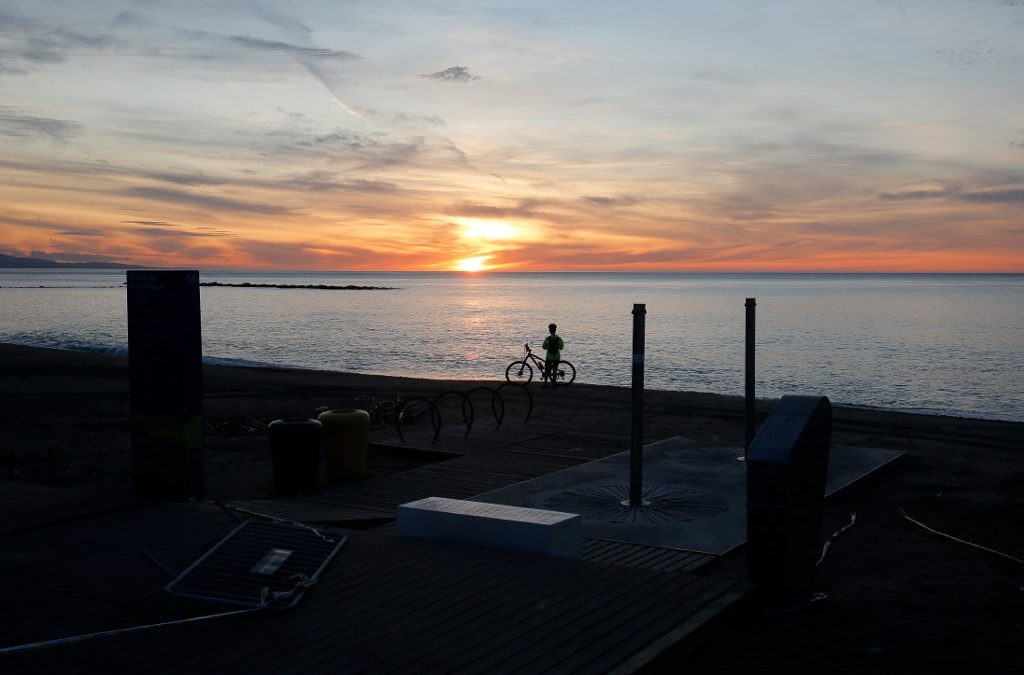
As I stepped outside my front door on Saturday, after weeks of lockdown, it was with mixed emotions. Like millions of people across Spain, I was eagerly anticipating my first walk, having been no further than the rubbish bins for seven weeks. Sharing the experience with my husband was a bonus.

On a beautiful spring morning, in our beautiful village, the feeling of freedom was one I had expected. The feeling of nervousness was one I had not.

Lockdown has caused many of us to consider what we’ve most been looking forward to once restrictions are lifted. The simple pleasures in life – such as taking a stroll with my other half – rank high on my list. It never occurred to me that going for a walk might make me concerned for our safety.


The ways in which we’ve come to terms with lockdown – both the implementation and de-escalation – vary a lot according to our age, personal circumstance and even personality.

Those living in flats will have experienced a very different lockdown to those with gardens. The experience of city dwellers will not reflect that of those living in the countryside. Families will have reacted differently to those isolated and alone.

You can read the article in full at The Local.

Bremainers Ask ….. Ian Dunt

Bremainers Ask ….. Ian Dunt

Ian Dunt is editor of Politics.co.uk, author of Brexit: What The Hell Happens Now? and a host on the Remainiacs podcast. His new book, How To Be A Liberal, is out later this year.


Ruth Woodhouse :Do you feel that the current coronavirus situation is bringing countries together or, especially in the case of the UK, driving them further apart?

This is a fascinating question. The reality is it does both. Taking the downside first: borders are closed, all over the world. It’s hard to get a more obvious example of national distancing than that. And on a less obvious level, some of the squabbles seen in Europe this month over the financial response, for instance on mutualised debt, have brought back the euro zone crisis demons and revealed that deep split between fiscally conservative countries and the rest. That has the capacity to do much more damage to Europe than Brexit has.

But there are reasons to be positive too. All countries face the same threat and share the same purpose under Covid-19. It is only by seeing what works in other countries and emulating them that we can succeed. So there is a chance here, if we take it, to make the case for internationalism – for countries working together to share expertise, equipment, and evidence.

Roy Stonebridge: It seems almost inevitable that we will arrive at the end of 2020, in the midst of a virus led global recession. How could UK possibly contemplate any changes to the trading arrangements with the EU in such circumstances?

Well if the government was half-way sane it would not consider this. But then, if it was halfway sane, it wouldn’t have got us in this position in the first place. People often assume that No.10 will be sensible if the crunch comes, but pretty much all the evidence of the last few years suggests that’s unlikely.

However, there are a few differences this time. Some leading Brexiters have expressed support for extension. To be honest, probably the best way of achieving an extension is for Remainers to not demand it. If it gets folded into the culture war, it’ll be lost.

One thing is true though: you can judge the government’s Covid-19 response by the Brexit extension. If they do not request an extension, they are doing Covid-19 wrong. This disease should be demanding all their time. If they have any capacity for anything else, they have not understood the magnitude of it.

Christine Jones:If it hadn’t been for Brexit, what might you have been doing for the last 4 years?

Oh God. The lost opportunities. More time down the pub, more time reading books, less time reading about the allocation of fish stocks in the European quota system.

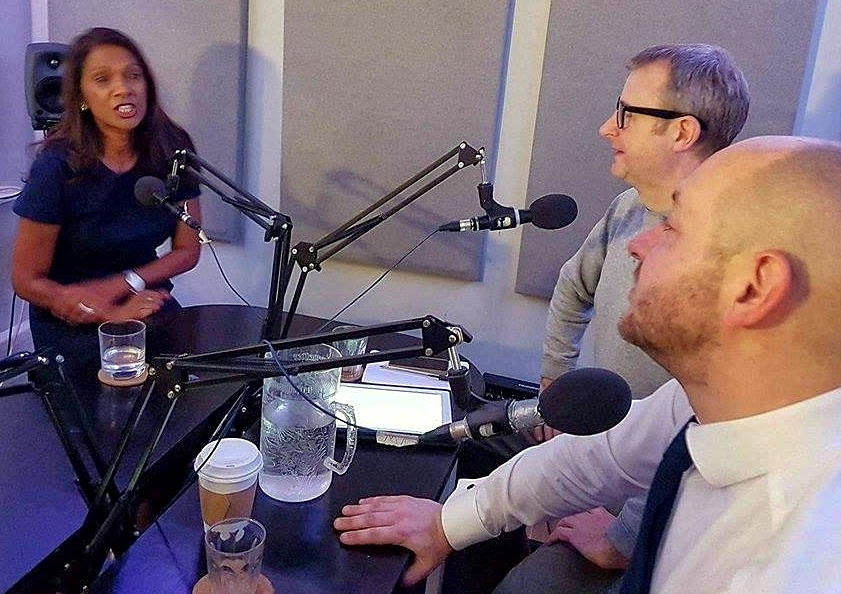
Ian with Gina Miller

I used to write about other liberal issues: Drug policy reform, free speech, immigration, civil liberties, prison policy. I miss that. Not enough journalists cover it, so when you drift off, you feel you’re letting the side down. But unfortunately, there’s no chance of getting back to it any time soon. The nationalist wave is not receding. And anyone who believes in liberalism, reason and internationalism owes it to themselves to stand up against it. To be honest, as long as we can hold our head up high in a few years’ time and say that we played our part in trying to stop this thing, we’ll be able to consider it time well spent.

Tracy Rolfe: What impact do you think Keir Starmer’s election as Labour leader will have on our medium- to long-term chances of rejoining the EU?

Potentially significant. He is electable. That’s not to say he will be elected, but at least he can be, which is more than we can say about the last Labour leader. He is also a Remainer. He has done enough, over the last few years, to earn our trust on that. If he sees an opportunity to rejoin, he will take it.

But the best thing we can do to make that happen is to lay off him. There should be no pressure for any attempt to rejoin in the short term. We should be aiming to make sure rejoin is a manifesto commitment in the election after next. And that can be done.

As my colleague on Remainiacs, Naomi Smith, says: ‘The first rule of Rejoin club is you do not talk about Rejoin club.’

Remainiacs

Lisa Ryan Burton: Do you think Keir Starmer will face the same level of criticism from the British media that Jeremy Corbyn faced, or will his background and character make it much more difficult for the press to paint him in such a negative way?

He will face much less. There are very simple reasons for this. He does not seem to actively dislike Britain. He has basic competence. This seems obvious, but the previous leader was seemingly incapable of it.

However, he will still be attacked. The press are largely – outside of the Guardian, the Times and the FT – cheerleaders for Boris Johnson. That won’t change. They’ll look to undermine Starmer. If he’s clever though, he can sidestep this. And the way to do it is to speak over their heads, utilise the opportunities offered by impartiality rules on broadcasters, not treat the media as a tribal enemy, and triangulate the government position – try to turn the debate on issues in which you appeal to their base in order to expand the opportunities you have in your own territory.

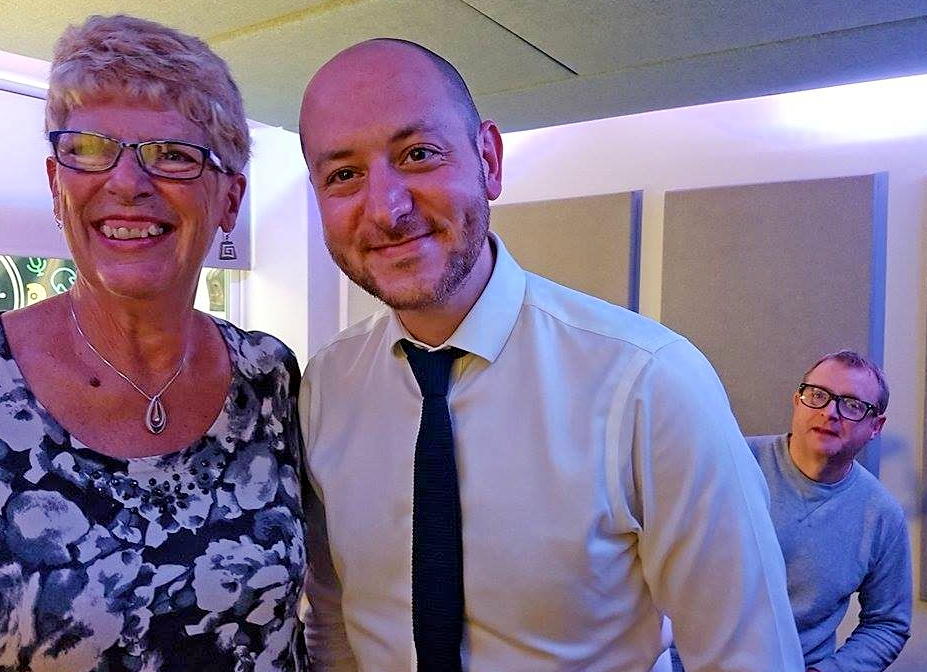
Sue Wilson and Ian Dunt

Stewart Luscott-Evans: Has the coronavirus pandemic changed your views about Brexit in any way, or has it reinforced your beliefs?

Neither really. Brexit still seems a bloody silly idea. But it’s not like the EU response has been so magnificent that it particularly helps in the other direction either.

If anything it makes me worry about how the EU handles its own Covid-19 crisis. It must do better this time than it did in the bond crisis. It must demonstrate solidarity, the basic principle on which it is based. There’ve been a few examples of that – Macron’s rhetoric, Merkel’s use of equipment provision. But the efforts by Germany and the Netherlands to kill off attempts at really broad-ranging mutualisation of debt measures doesn’t bode well. It’s not enough to smuggle compromises into haphazard initiatives which go under the radar. It needs big visible measures that don’t just work, but are seen to work.

For decades now, national leaders have been able to claim credit for the good things the EU does, and blame it for whatever they don’t like. The EU facilitates this by stuffing big projects into boringly titled stability mechanisms and the like. That has to stop. They need to fix the policy. And they need to fix the way the policy is presented. The severity of the crisis provides a moment in which to achieve that, in a really eye-opening and effective way. I hope they take it. Although I must say that the early indications are not good.

Many thanks to Ian for taking part. Next month we talk to Jessica Simor QC. 

Now is not the time to go it alone

Now is not the time to go it alone

On Friday April 24th, Michel Barnier held a press conference in Brussels to report on trade negotiations between the UK and EU. The virtual talks took place last week, with two further rounds of negotiations scheduled for the weeks beginning May 11th and June 1st.

Media descriptions of the EU’s reaction varied from “disappointing” to “Barnier launches a blistering attack”, with many commenting that Barnier had accused the UK of “failing to engage”.

Based on earlier Brexit negotiations, it was no surprise that the UK and EU had different approaches. The EU produced a 350-page text, which Barnier proudly presented at the press conference. The EU text covers every topic and is available online for everybody. The UK, in contrast, produced a document covering just seven areas and insisted that the content remained confidential.

Barnier stated that “our objective for tangible progress has only been partially, very partially, met this week.”

He emphasised the need to progress on all fronts and spoke of the tight timescale, which means agreements on some areas must be reached by the end of June.

Boris Johnson readily agreed to this timescale when earlier negotiations were finalised. In fact, Barnier accused Johnson of rowing back on commitments made in the Political Declaration, which was signed in conjunction the Withdrawal Agreement in winter 2019.

In a statement released later, a UK government spokesman said: “This was a full and constructive negotiating round” but tentatively agreed that progress between the two sides being “limited”.

You can read the article in full at The Local.


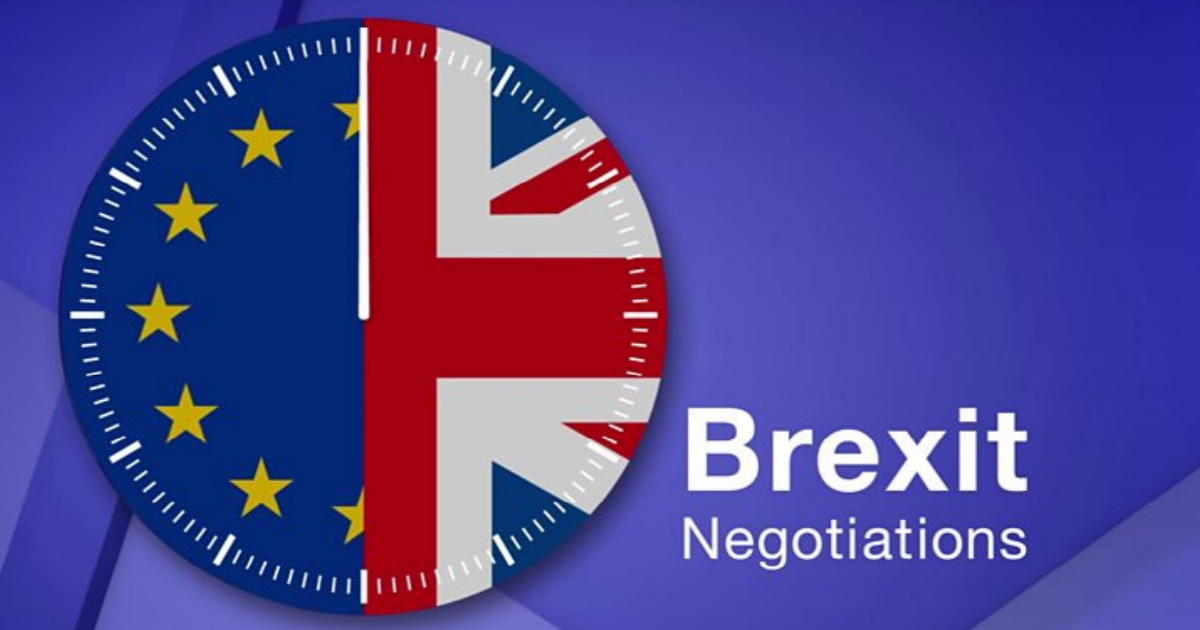
Brexit Negotiations
Coronavirus and Brexit – time to delay?

Coronavirus and Brexit – time to delay?

Sue Wilson of Bremain in Spain calls for the UK to extend the Brexit transition period so it can focus resources on beating the coronavirus.
 
‘Brexit has, quite rightly, not topped anyone’s priority list recently, either in the UK or EU. Most resources are being directed at fighting the coronavirus outbreak, leaving little room for progressing the Brexit trade negotiations.

The British government has redirected resources, including 25,000 civil service staff who were exclusively working on Brexit before the virus outbreak. Seemingly, only the UK negotiating team, led by David Frost, has kept its eye firmly on the Brexit ball.

An extension to the transition period was always preferred by those people (mostly Remainers) who were worried about the lack of time for negotiations – especially as international trade deals generally take years to complete, even in normal circumstances. The present circumstances are far from normal.

With the trade talks delayed, and the tight time frame shortened further, even Brexiteers are calling for a delay.

Furthermore, businesses are now begging for a delay, and much of the British public – including 36 percentage of leave voters – is also in favour. An extension to the transition period is now seemingly the “will of the people”.’

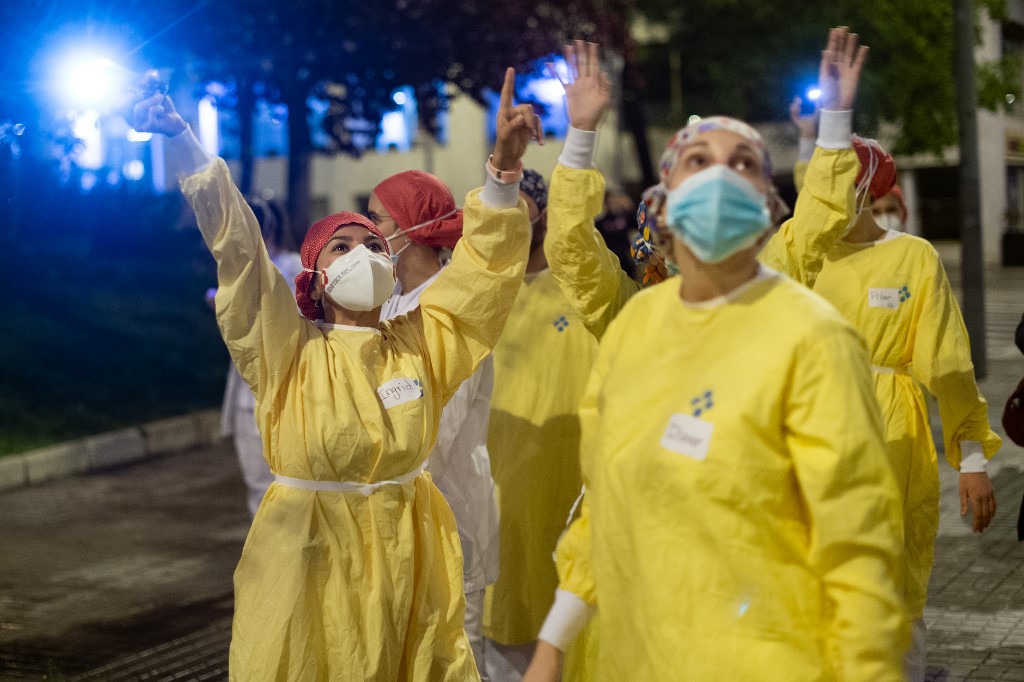
SPAIN-HEALTH-VIRUS-HOSPITAL

‘While the prevention of a hard Brexit is still my goal, this isn’t about frustrating Brexit. It is about dedicating every penny, minute and ounce of effort to saving the country from a deadlier crisis.’

You can read the full article in The Local.