
What Brexit means for British Expats in Europe
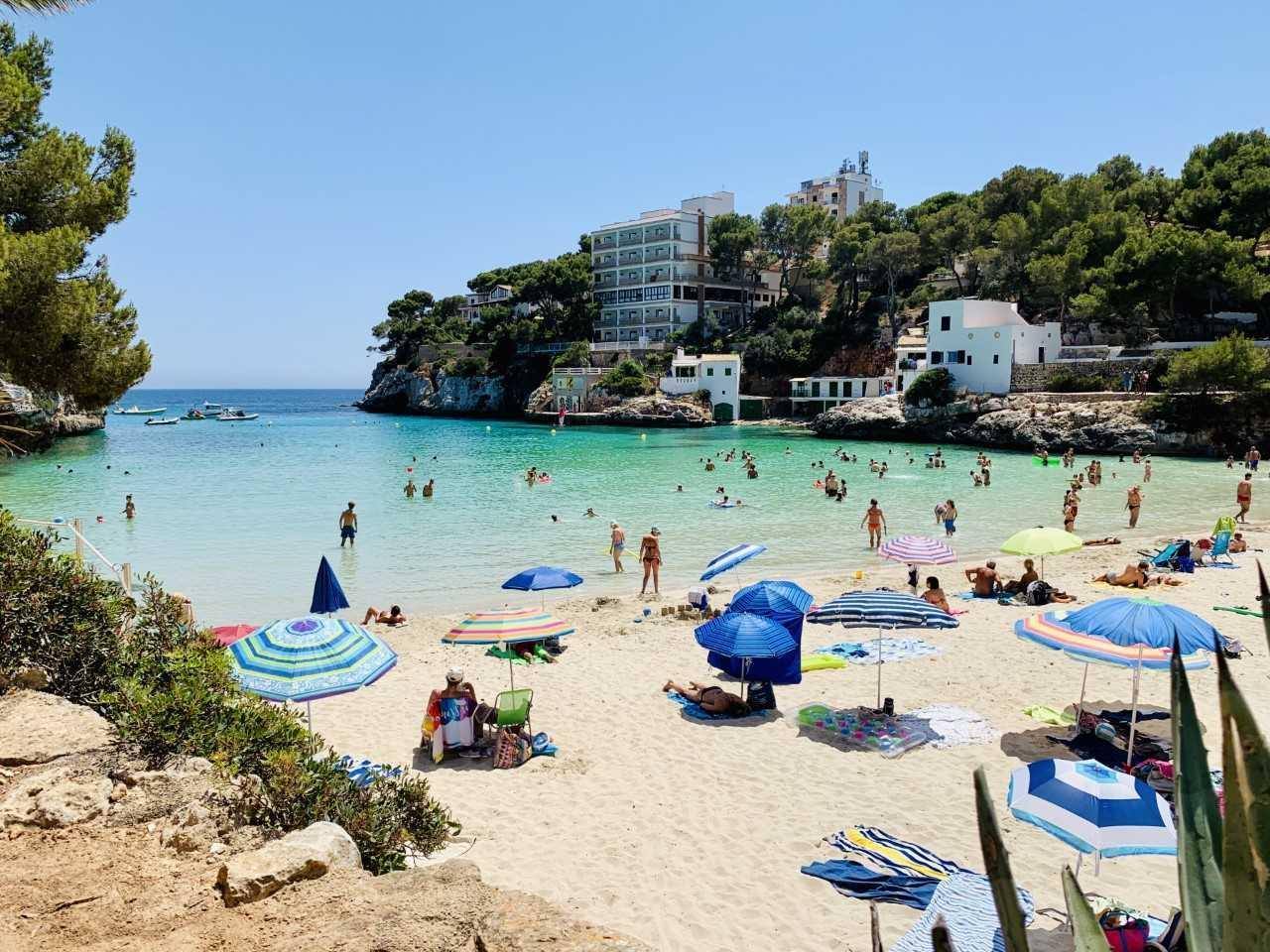
If you are a Daily Mail reader – or even if you are not – you may well have seen their latest outraged headline criticising the EU. It reads: “Furious British expats blast EU’s new post-Brexit travel rules which will ban them from spending more than three months at a time at their holiday home from January”. There is so much wrong with that headline, and the accompanying article, that it’s difficult to know where to start.
“Expat” or “Immigrant”?
Personally, I hate the term “expat” as it confers a status on Brits that is unwarranted and unwelcome. We are immigrants – no better, no different to EU citizens living and working in the UK. I do understand, however, that in the UK media the term is shorthand for ‘British citizens living abroad’, which is – it’s fair to say – a bit of a mouthful.
Let’s stick to the facts though. It may well be true that “expats” who own a second home in Europe are furious. Whether it’s with regard to this coming change caused by Brexit – or by the loss of other EU citizenship rights – there is certainly much to be angry about. What is absolutely not true is that this is a result of “new post-Brexit travel rules”. Yes, this is a result of Brexit, but these rules are not new. These are the same rules that have applied to non-EU citizens all along – we were just lucky enough to have special, favourable rights that waived them. Brexit means the loss of these, and many other, rights associated with EU citizenship. If you are not members of the EU club, then you cannot expect the exclusive benefits that membership brings.
What is the rule?
The Daily Mail article stated that a 90-day stay meant anyone staying in an EU country would not be able to return for a further 3 months. It’s actually worse than that, as the rule does not apply just to one country, but to the EU as a whole. So, once an allowance of 90 days in a 180-day period has been used up, not only can you not return to your holiday home in Spain, or France, you cannot travel anywhere in the EU. Say goodbye to that romantic trip to Paris, or that historical tour of Rome. While you can enter the Schengen area more than once in the 90 day limit, the official guidance from the EU outlines the rules thus: “you must carefully calculate your days of stay as the overall period of stay must not exceed the overall total of 90 days of stay within any 180-days period”. Those “swallows” that like to spend winter in the sun, will find themselves returning to cold, British weather rather sooner than they’d like.
And what does it mean?
The ramifications of overstaying your welcome in Europe could be serious. Post-Brexit, British passports will be scanned on arrival and departure in Europe. Anyone caught “illegally present”, staying longer than permitted, risks an “over-stay flag” on their passport. This could not only lead to a fine, but to difficulties applying for any visa in future, or even a re-entry ban.
The implication from the Brexit-loving media, throughout the ongoing negotiations, has been that the EU are punishing the UK for leaving the union. Whenever details of the loss of rights or benefits has been brought to the public’s attention, blame has been levelled at the vindictive EU. Rules have, supposedly, been brought in specially to penalise the Brits, when in fact, those rules have always existed for third country nationals. Apart from the expectation that nothing would change – that lie sold to the British people during the Leave campaign – many assumed the UK could just negotiate the bits of EU membership they valued and ditch the bits they didn’t. The fact that there are rules that the EU must comply with never seemed to equate. To allow British citizens special rights after Brexit would not just be unfair to other third country nationals, in many cases it would actually be illegal.
Whether a second-homer or not, travel to the EU is about to become more difficult, and more expensive, for every Brit. The EU is about to launch the European Travel Information and Authorization System (ETIAS), a new travel system aimed at controlling who enters EU territory. Citizens of more than 60 countries – including the UK – will need to apply for and obtain authorisation before turning up at EU borders. The date that the ETIAS will come into force is still to be determined.
And what will it cost?
Another casualty of Brexit is the loss of the European Health Insurance Card (EHIC) for British travellers to Europe. The result will mean the need to purchase medical insurance – a considerable cost for a family travelling together, or for anyone with pre-existing medical conditions, assuming they would even qualify.
While you are adding up the additional costs, don’t forget also the loss of free data roaming on your mobile phone. No doubt the Mail blames the EU for that too.
And whose fault is it?
There’s no doubt there is a lot of anger at the realisation of what is about to be lost when the Brexit transition period ends. For some, this late awareness of the true meaning of Brexit – with or without a deal – has clearly been a bit of a shock. For those of us that have been pointing all of this out for the last four years, it’s incredibly frustrating. We’ve been accused of ‘project fear’ and told repeatedly that Brexiteers knew exactly what they were voting for. I’m not sure that was ever true, but they are certainly starting to get the idea now!
I have some sympathy for those second-home owners “furious” about the Brexit effect on their lives and their rights. I have sympathy with everyone who stands to lose something they value for no good reason, and often through no fault of their own. Having said that, those with two homes will have their European travels cut short. Those with lesser means, may have their European travels curtailed altogether. But, regardless of your means, Brexit will make us all the poorer, and that’s not the EU’s fault.
It’s the fault of the charlatans that sold the British public a lie. How about getting “furious” about that instead?
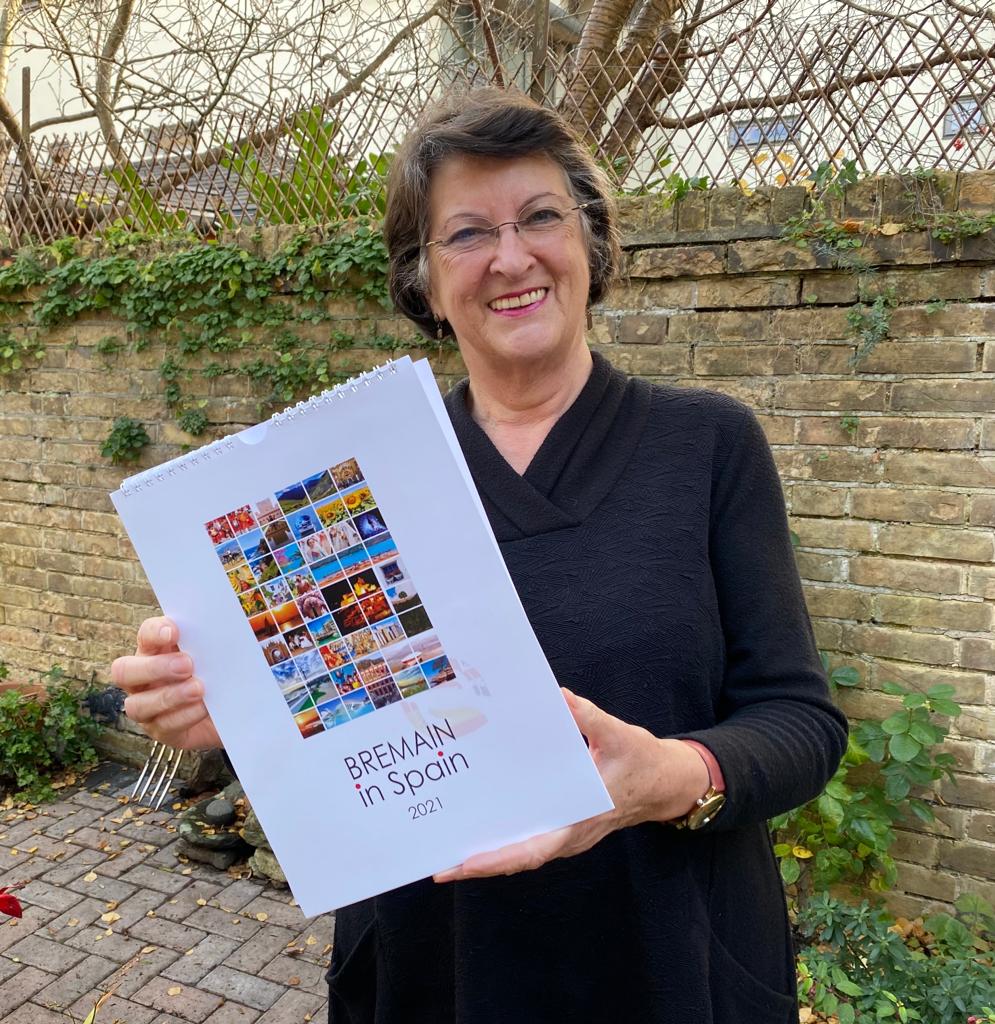
This story first featured on the West England Bylines website, written by Sue Wilson, Chair of Bremain in Spain. For more information see the European Union FAQs re Schengen visa-free regime and Schengen visa website with Information for British second home owners in Spain.