
‘Brits in Spain are giving up hope of spending Christmas with their UK family and friends’

‘Brits in Spain are giving up hope of spending Christmas with their UK family and friends’

Sue Wilson of Bremain in Spain considers the obstacles preventing many Brits from heading back to the UK for Christmas and asks whether it’s a sacrifice we should all be prepared to make. As the UK approaches the end of its second lockdown, the government is considering measures to implement during December and – especially – over the Christmas period.

Many Brits residing in Spain have abandoned the idea of spending Christmas with their UK family and friends.

For those still considering travel, barriers have appeared with increasing regularity.

First, there was quarantine, then lockdown, then the prospect of requiring a negative PCR test before returning to Spain – all issues that have caused widespread flight cancellations.

Some areas of Britain will resume being in Tier 2 or 3, where visitors from other households are not allowed. If those hurdles aren’t enough, there’s the off-putting idea of potentially risking the health of our loved ones.

Regardless of our location, Covid measures will change the face of Christmas 2020.

How ‘Navidad’ will look in Spain remains unclear. We know that, in the UK, safety measures for December will be relaxed over the holiday season, with a five day “break” to allow three families or households to gather.

This strategy is already causing considerable concern across the UK, although the ‘Daily Express’ is enthusiastically billing it as Christmas being “saved”.

Non-Christians have complained that such measures were disallowed for their own religious festivals, such as Eid and Diwali. Hindus, Sikhs and Muslims were forced to dampen their usual social arrangements to prevent viral spread.

It’s hard to fault the logic that Christians should make a similar sacrifice for the national interest.  

Of course, the reasons for loosening the holiday period restrictions aren’t religious, unless it’s the worship of retail profit. Being popular has always been high on Boris Johnson’s priority list.

He doesn’t want to be labelled the Grinch that stole Christmas. If opinion polls are anything to go by, Johnson may have misjudged the mood of Britain. Clearly, many families are agreeing – for everyone’s health and safety – to keep apart during the festive season.

You can read the full article in The Local

Any Brexit deal will be sold as a victory for Britons but there won’t be any winners

Any Brexit deal will be sold as a victory for Britons but there won’t be any winners

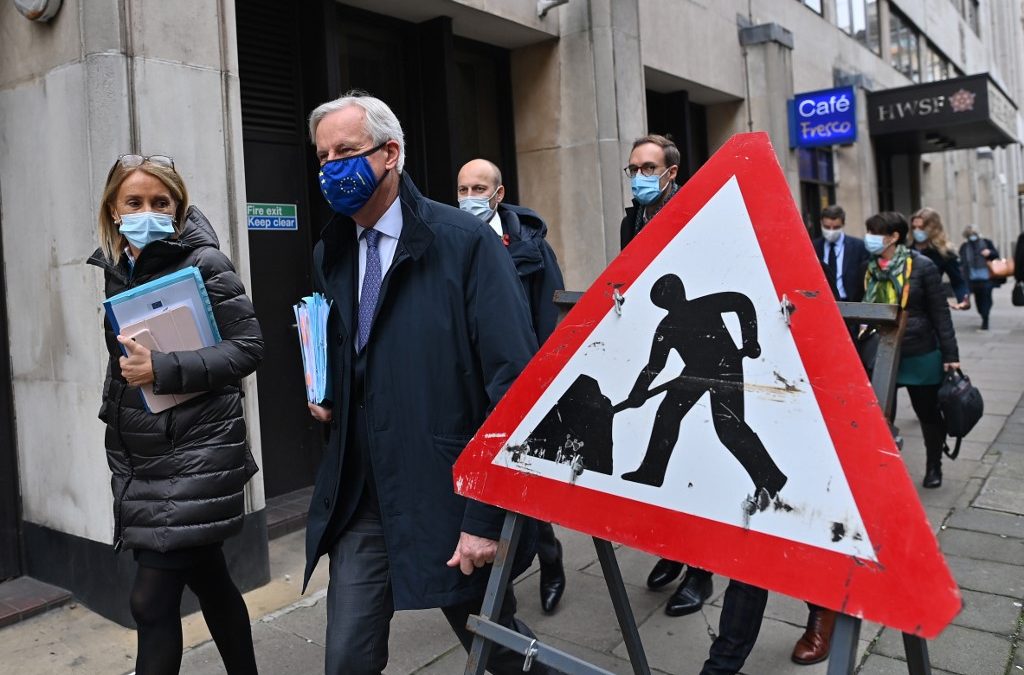
Sue Wilson of Bremain in Spain weighs up the latest on Brexit negotiations. If you’re following the UK/EU Brexit negotiations, you’re probably suffering from a severe case of déjà vu. Over the last days, weeks and months, we’ve heard repeated claims that lose some of their potency with each utterance. “Time is running out”, a deal is “difficult” but “doable”, and both sides are working hard to secure the deal they really want.

Throughout the endless months of talks – and talks about talks – the difference in tone between the EU and UK has been obvious. The approaching deadline has not dampened the UK’s bullish stance or the EU’s air of calm professionalism.

This week’s latest (last?) round of talks in Brussels began with a series of tweets by the UK’s lead negotiator, Lord David Frost. On Sunday evening, he mentioned that some progress had been made, but ended on a pessimistic note.

His Twitter thread concluded:

The EU’s chief negotiator, Michel Barnier, clearly had a different outlook on Monday morning, tweeting that the EU “remains determined, patient, respectful. We want our future cooperation to be open but fair in all areas”. Considering the games that the UK government has played – such as threatening to break the existing legal agreement – the EU’s patience must have been tested many times over.

Despite some progress, including the preparation of hundreds of pages of legal text, the same issues are causing the biggest problems in the negotiations. A few weeks ago, there seemed some willingness to compromise over one of the most contentious issues – fisheries.

However, latest reports suggest that both sides are still “miles apart”, despite the EU offering access to its energy market in return for access to fishing waters. That arrangement is worth more to the UK than fishing, which represents just 0.1percent of GDP. Clearly, the UK’s position here is political, not economic. By contrast, the services sector, which contributes 80percent to UK GDP, has largely been ignored throughout the Brexit debate.

You can read the full article over at The Local. 

Why Biden’s victory could have a big impact on Brexit negotiations

Why Biden’s victory could have a big impact on Brexit negotiations

Sue Wilson of Bremain in Spain believes the change at the helm of US politics will be prove a decisive factor in the UK’s willingness to compromise over a Brexit deal. You have probably noticed that America is soon to have a new president. The current White House incumbent has his ears and eyes firmly closed and refuses to accept that his days are numbered. According to some sources in the UK media, our own head of state, Boris Johnson, may be in a similarly insecure position.

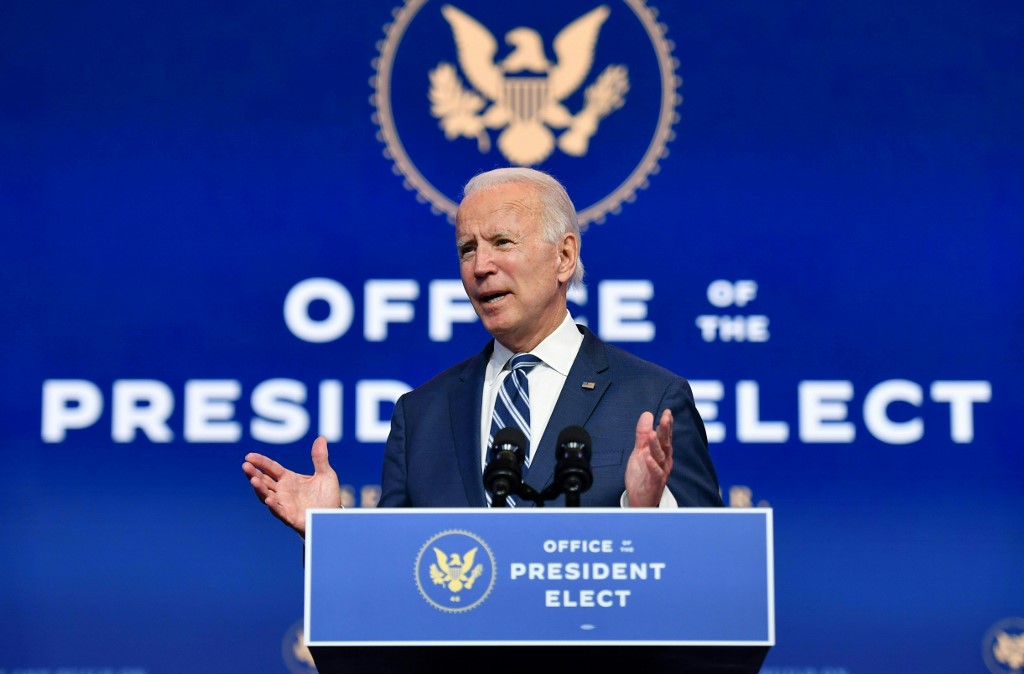
Since Joe Biden officially became the President Elect on Saturday, after what seemed like days of election uncertainty, he has hit the ground running. Despite not yet receiving any recognition of his win or offer of transitional support from Donald Trump, he has already started to implement important plans.

An urgent task for Biden is the fight against coronavirus. He has created a special task force, comprising health officials, physicians and virology experts. He has also actively encouraging the wearing of face masks by the American public – unlike Trump, who was pictured without one even when he was Covid positive.

The contrast between Biden and Trump could not be starker. In January, the American people will finally have an adult in charge: one who has a heart, a brain and a wealth of experience. The change will leave many UK residents feeling jealous that we are being led by “Britain’s Trump”. Prime Minister Johnson and Biden have never met, though they have now spoken on the phone. On Tuesday, Biden spoke with a number of European leaders, including Ireland’s Michael Martin. Biden reassured the Irish Taoiseach that Brexit must not damage the Good Friday Agreement, in a call that Martin described as “warm and engaging”.

On his call with Johnson, Biden stressed the importance of securing a Brexit deal that protects peace in Northern Ireland. Presumably, Biden’s earlier reference to Johnson as a “physical and emotional clone” of Donald Trump, was not mentioned.

Biden has made no secret of his disdain for Brexit and is fiercely loyal to, and proud of, his Irish roots.

Johnson’s Internal Market Bill (IMB) is a cause of consternation in America, as it threatens to break the international treaty of the Withdrawal Agreement (WA).
The deal that Johnson signed with the EU a year ago, settling the early stages of Brexit – including our rights as citizens – is under significant threat, along with the Good Friday Agreement (GFA). Both Biden and the US government have made it clear that, as guarantors to the GFA, they will refuse any trade deal with the UK if Johnson reneges on his international commitments.

You can read the article in full over at The Local.

Are Spanish authorities doing enough to avoid another lockdown?

Are Spanish authorities doing enough to avoid another lockdown?

Sue Wilson considers the measures Spain is taking to combat the spread of coronavirus and whether they will be enough to prevent another lockdown.
As we approach November 9th, it’s time for Spanish authorities to define their next Covid measures. At present, national and regional governments are examining whether the latest strategies to curb the pandemic are working against a worrying spiral in cases in many parts of Spain.

When Congress voted for the new state of alarm – scheduled to last until May 9th 2021 – it devolved powers to local authorities to impose further safety measures. These powers, however, stop short of allowing autonomous regions to impose home confinement. Whether we should have a further lockdown, with people largely made to stay at home, is now being widely considered.

Many countries are revisiting the use of lockdowns against the virus, including the UK. Although some of the current lockdowns aren’t as restrictive as those experienced during spring, many countries view domestic confinement as a vital tool in the Covid armoury.

Lockdown in Spain

In Spain, the option of a further confinement – even a less restrictive one – is a topic that causes widespread disagreement.

Some regions, currently Asturias and Melilla, are requesting authority from central government to impose lockdown measures – a move that central government is resisting. The regions have the authority to impose other safety measures.

From the recent curfew to restrictions on crossing regional and even municipal borders, a degree of divergence and flexibility exists across Spain. Now some regions are introducing additional measures. In Castilla y León and Catalonia, fresh restrictions include the closure of bars and restaurants; in Asturias, it is the closure of non-essential businesses.

Experts are divided over the timing of further preventive measures. Some, such as Antoni Triller, Professor of Preventive Medicine at Barcelona University, suggest holding off until the impact of current measures is reflected in transmission rates. His view is supported by Andrea Burón, spokesman for the Spanish Public Health Association (Sespas), who believes another week is required to review the impact of current measures.

You can read the article in full over at The Local.

  Bremainers Ask Revisited – Part 4

  Bremainers Ask Revisited – Part 4

Bremain asked former Bremainers Ask commentators to give us their thoughts on where we are now, how they see things moving forward and what we pro-Europeans should be focusing on in the future. This is what they had to say.

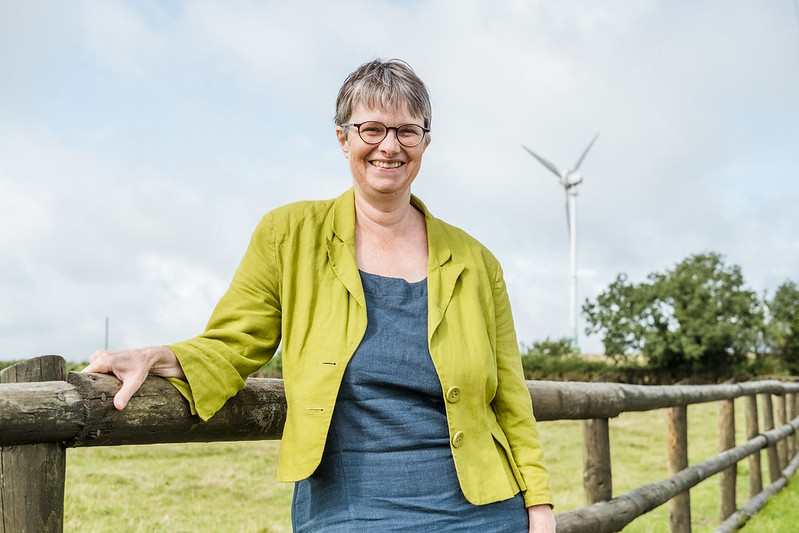
Molly Scott Cato MEP

Molly Scott Cato – Former Green Party MEP

I remember arguing during the 2016 referendum campaign that it was impossible to make Brexit a reality without destroying democracy.

At that stage I was not so pessimistic as to think that we had any politicians dangerous enough to trash democracy to achieve their absurd ideological ambition of untrammelled sovereignty. Now I know better. Not just the Internal Markets Bill breaking international law, but also the prorogation of Parliament and the stuffing of the House of Lords with pro-Brexit cronies, show that this government does not respect democratic standards. And they can’t. Because they won the election on a lie that they had an ‘oven-ready Brexit deal’, just as they won the 2016 referendum on a whole pack of lies. Those lies will unravel in January, when the transition period comes to an end, but for a while now most British people have not wanted the Brexit project to go ahead. Confidence that leaving the EU was the right decision for Britain has fallen to an all-time low, with only 39% believing we did the right thing, while 50% think we were wrong to leave (Yougov polling). A democratic government would listen to ‘the will of the people’.

We must not despair, so what are we to do?

The first sign of great hope is the widespread sympathy and affection that we Brits receive right across the EU. I’ve been amazed by the emotional response from European friends and neighbours. Far from the anger and frustration I would have expected there has been compassion and understanding. They have been through their own political disasters and they want to help us out of ours rather than blame us or laugh at us.

And we must make sure that our younger people become Europeans, as we were given the chance to do. As a Green I will always champion the amazing opportunity of freedom of movement, but I know that is a political longshot. But we can continue to fight to stay a part of the Erasmus scheme that allows thousands of young people every year to live in another EU country and is especially important for those from poorer families. We must campaign to keep this chance for our young people to widen their horizons, and it is a campaign we can win.

We have to continue to cooperate on key global issues, with climate at the forefront. It simply makes no sense to play the sovereignty card when some of the most pressing political issues are global issues. Cooperation over sharing technology, sticking to shared targets, and cooperating over energy policy can help keep us close to our European neighbours.

And finally, we can join the key organization that has always stood for closer ties with the EU. I worked with the European Movement during the referendum campaign and am now on the national council. Having been founded by Winston Churchill in 1949 it has the track-record and authority to act as the key membership organization for those of us who want to keep the closest possible relationship with Europe.

Although times are tough, we know that Brexit as promised cannot be delivered. We need to calmly and clearly point that out, as the wheels come off in the coming months. And we all need to stand up for democracy and make sure that the UK’s political system is reinforced so that a gang of crooks and truth twisters can never again hijack our country for their own ends.

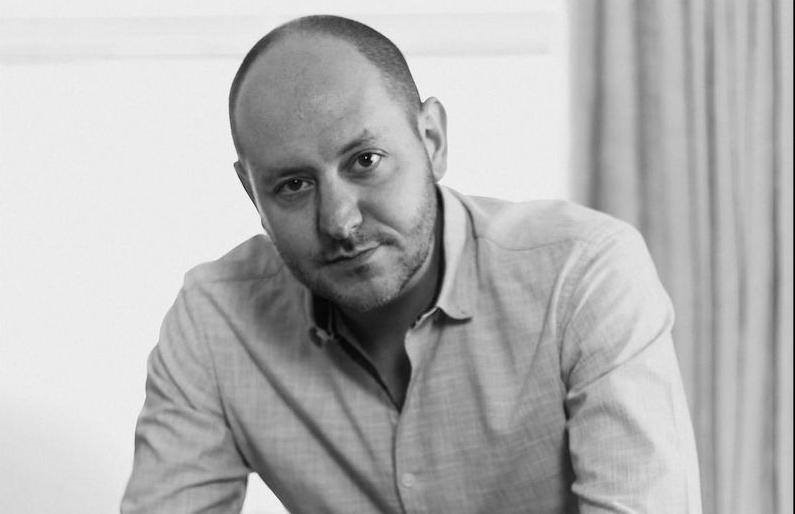
Ian Dunt – Editor Politics.co.uk

We’re in a strange place right now – an odd little half-way house. 2020 has seen us leave the EU legally without leaving it practically. We’ve lost the ability to stop Brexit, which motivated many of us in the period between the referendum vote and the 2019 general election, but we’re yet to see the real world effects of the project.

Ian Dunt

This period will not last forever. On January 1st 2021, the next stage of the Brexit story begins. It is when reality collides with dreams. Every other time this has happened – when Theresa May outlined the backstop, for instance – the Leave lobby lost its mind. We can expect that to play out again in the months to come.

Regardless of whether there is a deal or not, we are about to see the reintroduction of border controls to a region which had grown used to life without them. This means customs declarations, safety and security documentation, regulatory checks for sanitary and phytosanitary products, country of origin requirements, and the grim splatter of whatever system they introduce for the arrangements in Northern Ireland.

These are complex procedures, requiring a lot of different people in lots of different sectors to do the right thing at the right time in the right place. It involves countless hastily-implemented IT systems, with complex inputs, which have to be filled in at the correct moment by officials working for exporters, hauliers, port authorities, importers and government agencies. Customs procedures are black and white. They’re right or wrong. So where things aren’t done correctly, they will stop a shipment and all the other shipments being transported with it. Their sudden implementation, under a tight time-scale, overseen by a government which makes a mess of even much more simple operations, will likely be very chaotic.

When the reality of that hits, the Leave government is going to try and blame someone else. This is what they always do. They blame the Europeans, or the civil service, or the Labour party, or Remainers, or the courts. They are congenitally incapable of taking responsibility for their own actions.

So, our job during this period is simple. We must make them own it. That is not solely for reasons of justice, although it is that as well – people should take responsibility for their actions. It is not solely for reasons of truth, although it is that too – rational political debate is only possible where we accurately observe cause and effect. It is because we must protect the most vulnerable. If we allow the government to blame others for their failures, they will blame the people they always do – those who do not have power, those who do not count as ‘the people’, those from other countries. It’s up to us to stop them from doing that.

The consequences of Brexit will play out for years to come. But the first moment in this second stage begins in January, when the real-world implications of what the project entails finally emerge.

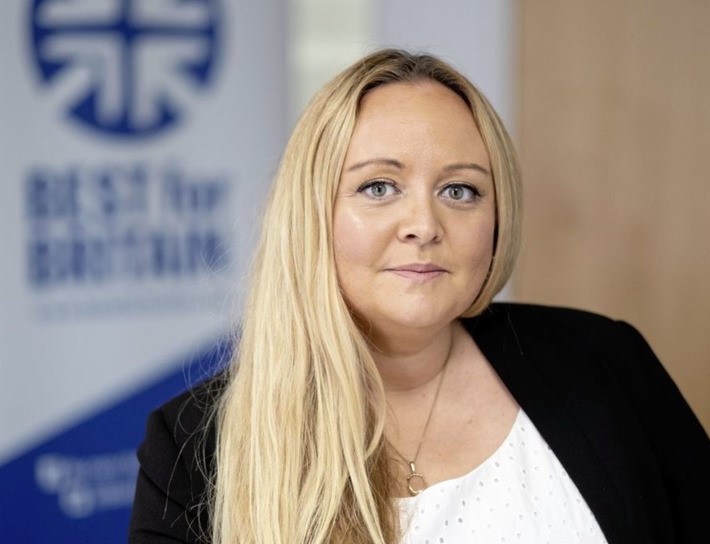
Naomi Smith

Naomi Smith – CEO Best for Britain

Without wanting to jinx things, it appears that talks between the EU and the UK are progressing once more, after the EU allegedly agreed to Johnson’s demands for Brussels to publicly state that Britain ‘is a sovereign nation’. I’m hopeful that an agreement will be reached.

Johnson’s self-imposed deadline of 15th October, much like his end of July one before it, has come and gone, and while there’s not yet white smoke, there are hopes that a catastrophic no deal will be averted. What there is, of course, very little chance of is a comprehensive trade deal – that is one that would be both broad and deep. There simply isn’t time left for such detail to be negotiated. Which means that the government has failed to deliver, for now at least, what it promised in its 2019 manifesto. The best we can now hope for is a deal that agrees zero tariffs, to keep trade as frictionless as possible. This would not mean that there wouldn’t be trouble at the borders – far from it – as non-tariff barriers will still apply in the event of deal or no deal, and issues like phytosanitary checks on livestock and meats travelling between the EU and the UK will cause significant hold ups, at least in the short term.

It’s easier to add building blocks to a structure that is already in place. A deal, therefore, remains preferable to those of us who want the UK to have a close relationship with Europe. That’s not to say we couldn’t start to build back from a no deal scenario, but it would be harder and slower.

Pro-Europeans must keep shining a spotlight on the benefits of multilateral cooperation and dialogue and keep pressure on Westminster and Brussels to work together on non-trade issues too, such as vaccines, medicines, research and security. We can also highlight good news stories about EU funded projects and initiatives happening in the 27, because they’ll likely get precious little coverage in the UK press. We can paint a picture of what’s been taken from, the opportunities we’ve been led away from, by a group of nativists hell bent on making Britain an inward, not outward looking country.

Above all, we must keep positive and engaged in the fight. Hard won rights are easily lost, and for too long those who believed in open society took it for granted. If Biden wins the White House, the political power compass will shift across the West, and we can once again begin to feel the tide turning in our favour.

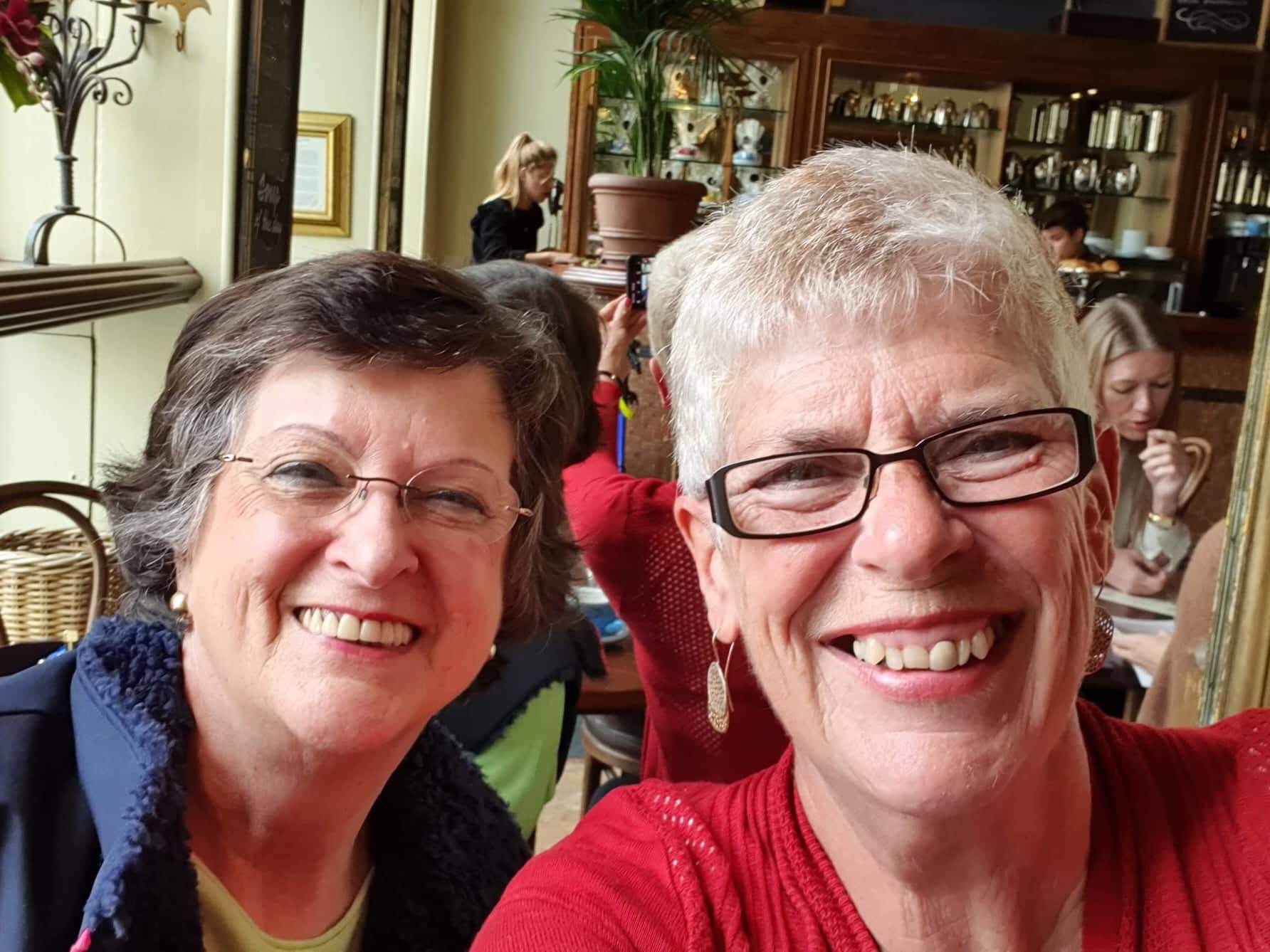
Our guest in November is former MEP Catherine Bearder, pictured here with Sue Wilson in Oxford recently. Catherine is the former leader of the Liberal Democrat group in the EU Parliament, and a committed campaigner. If you have a question for Catherine, please email it to us before 7 November at enquiries@bremaininspain.com.

Sue and Catherine Bearder MEP