Bremainers Ask …….  James and Jack Dart

Bremainers Ask ……. James and Jack Dart

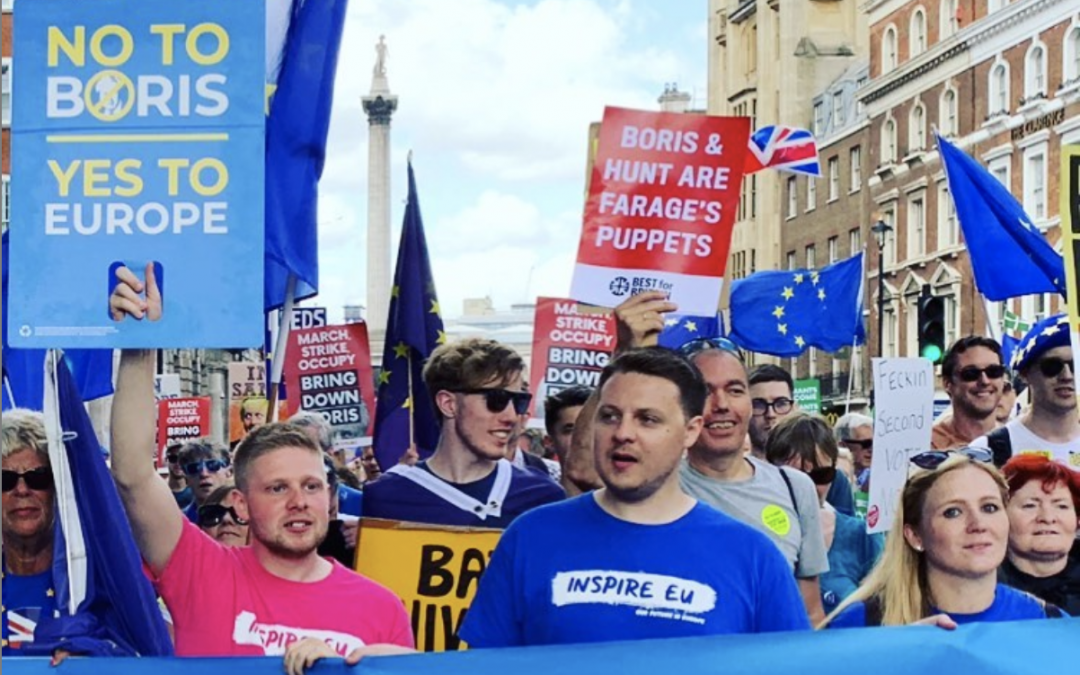
This month we are featuring James and Jack Dart from Inspire EU amongst other Remain projects. 
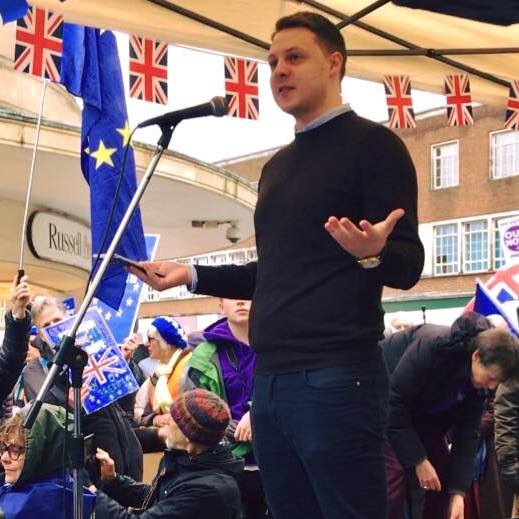
James Dart

Jack is a Liberal Democrat councillor in Torbay. In 2018, Jack deferred the 2nd year of his law degree in order to fight Brexit full time. Since then, Jack, along with his brother James, has organised, run and attended countless EU-related events all around the country, co-founding Inspire EU along the way. Jack is campaigning for a #FinalSay on the Brexit deal and won’t rest until the job is done. 

James is a former school teacher who left his job in 2017 to study European politics in the hope of better understanding the Brexit phenomenon. James co-founded Inspire EU with his brother Jack in order to campaign for a #FinalSay on the Brexit deal, as well as putting the positive case for the EU to people. 

Jack Dart

James answers our questions below on behalf of the two brothers.

1) What inspired you to take up the cause to fight Brexit and campaign for a #PeoplesVote?

The injustice, the lies, the faith-based mentality – they all worried me. The day after the result it quickly became clear that the Vote Leave leaders (Johnson and Gove) were already reneging on their promises and commitments – particularly around their central campaign pledge to spend £350 million a week on the NHS. The other aspect that concerned me was the flagrant disregard for detail, planning and expert opinion. As experts warned of economic damage, Brexit advocates – both in Parliament and on the street – waved away any criticisms or concerns in a way that I hadn’t ever seen before. A deeply defiant faith-based mentality had set in which prevented my brother and I from holding the most basic of conversations with our Leave-voting parents. We’d quiz them as to how Brexit would benefit them, but instead of calm, detailed responses, we’d get an angry bombardment of ad-hominem attacks, straw men and red herrings; they had absolutely nothing.

2) What do you think are the main barriers to getting young people to vote?

It’s no secret that young people turn out to vote in the fewest numbers. Indeed, when I type “voting by age” into Google, almost every graph tells the same story: the younger the age demographic, the less likely they are to 1) register to vote and 2) turn out on polling day.

It’s worth noting that this is not some recent phenomenon, but a historic one – though it did get especially bad between 1997 and 2015, recovering slightly in 2017. I think motivation plays an important role in this. I know a lot of people think that one vote won’t make a difference, but the fact is that if too many people think in this way, we lose the votes of a huge proportion of the electorate. Another thing that I think could play a role in this is that some young people who haven’t had access to as good an education as others feel like they don’t know enough about politics to make a decision about who to vote for. I think there needs to be better political education in schools especially, so that young voters feel not only more confident in choosing who to vote for but also more able to think critically about things said by politicians and decide for themselves what they believe in. Also, I think having to register to vote can be an obstacle. Not everyone may realise that they have to do this in order to vote and lots of people don’t know their national insurance number, either. I think there should be automatic voter registration as soon as a young person turns 18 to remove this obstacle.
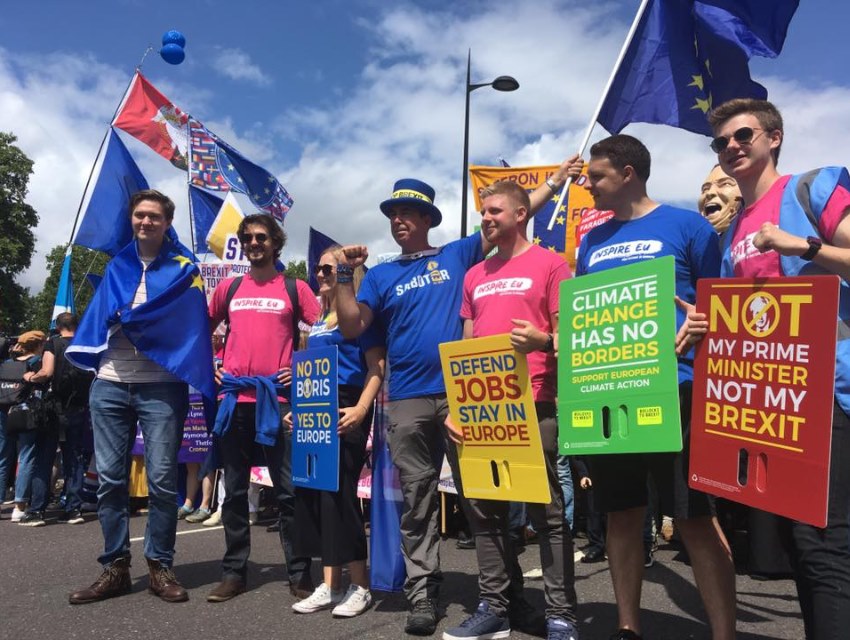
Jack, James and Steve Bray

3) Are you concerned that – with the election on December 12 and with many universities breaking up for the holidays around this time – there will be a negative effect on young people voting?

We are aware of many students this time round who have registered for a postal vote if they want to vote in their home constituency. We have also witnessed more and more students being made aware that they can be registered in both their home and university constituencies and then can decide where they cast their vote. It is also likely that the political turmoil we have experienced in the past few years has led to an increased youth engagement or interest in politics, so hopefully this will translate into an increased youth and student turnout at the polls on December 12th. We really hope that students and all young people feel empowered and motivated enough to make the effort to vote in December.

4) What do you think still needs to be done to convince people who voted Leave in the last election to vote Remain in any subsequent referendum?

Be persistent. Our parents were sure that their vote to Leave was the right choice for over 2 years, and through constant sharing of facts, conversations and heart to hearts, they began to realise what Brexit symbolised. Never give up on the pursuit of the end goal, to stop Brexit entirely. Over 3 years have passed since the referendum, and that has proved to be key to outing the lies at the heart of the Leave campaign. The last election was a very strange one, but we know more about what is winning people over and we have stronger arguments. In summary, be vocal, be persistent, and communicate with others on what is and isn’t working. But remember, you don’t have to convince everyone, just 1 in 10 will do

Vote Tactically on Dec 12

5) Do you feel that young people will get behind a tactical voting strategy? If so, what can be done to spread this message?

Tactical voting is an absolute must in this election. It’s thought that if 30% of Remain voters vote tactically, then we can prevent a Johnson majority; that has to be our ultimate goal. Our advice has been, and continues to be, that voters young and old should consult the tactical voting sites out there, particularly getvoting.org, tactical-vote.uk and remainunited.org. These sites are continually updating their recommendations as new data comes in, so be sure to cross-check their recommendations right the way up until election day.

6) How have the last three years affected young people’s engagement in politics and their view of Parliament?  Has the turmoil made them less likely or more likely to vote?

Brexit (and the climate emergency) has done a huge amount to dent political apathy among young people. With that said, it’s still been challenging attempting to convert that anti-Brexit energy into activism. For many young people, this comes down to ownership, and a feeling that the Remain movement is for middle-class, middle-aged, polite, beret-wearing Englanders; it’s not cool, it’s not edgy and it’s desperately lacking in youth representation. We’ve had many conversations with young people who admit mobilising for the Donald Trump protest and the climate protests, but not for the EU events. With that said, when it comes to voting, we’ve just seen record numbers of young people registering to vote.

7) Do University students tend to participate more in election voting than other young people who are not in further education?

Students certainly benefit from the information and advice universities give out during an election period. Additionally, campuses tend to become highly political which may also help to advertise the election. We’re certain that this election will see an increase in young people voting, as Brexit, the climate emergency and issues around mental health, housing and the NHS dominate.

A university community exposes students to new ideas and political discourse and offers a space for students to educate themselves about parties and policies, particularly through committed political societies and events. Other young people who are not in further education may be working and may therefore be less exposed to politics or have less time to vote. It is also likely that university students may be more likely to vote on policies that have a direct impact on them, for example policies surrounding tuition fees.

Many thanks to the Dart brothers for taking time out from campaigning to answer our questions!

 

Inspire EU Logo
Meeting with the British Ambassador to Spain

Meeting with the British Ambassador to Spain

On Wednesday 27 November, the British Ambassador, Hugh Elliott, hosted an information event for British citizens in Valencia at the Casino de Agricultura. Also attending were the British Consul, Sarah-Jane Morris, and other Embassy staff.

I had been invited to attend the event on behalf of Bremain in Spain, along with Debbie Williams of Brexpats – Hear Our Voice and Molly Williams of Young European Voices.


Hugh and Sarah-Jane Morris
Hugh and Molly Williams

Prior to the evening event, we were also invited to lunch with the Ambassador, along with representatives of local charities who support British residents in the Valencian Community. The lunch was a 5-course affair, with a main course of a typical Valencian paella.

At the evening event, the Ambassador and his staff spoke about the importance of Brits making sure that all their paperwork is in order as well as the implications of Brexit and the forthcoming election for our situation here in Spain. The Embassy is extremely well-informed and keen to help and support the local British community in whatever way it can.

Debbie Williams and Sue Wilson
Paella Valenciana

The audience was invited to ask questions and offered the opportunity to speak to any one of us individually afterwards. Topics covered included healthcare, applying for residency, Spanish driving licences, aggregation of benefits, recognition of qualifications, dual nationality and much more.

For further information on these, or any other topics relating to living in Spain, you will find a wealth of information in the Embassy Living in Spain guide. You can also sign up for updates and be notified whenever anything changes.

We will continue to work with the Embassy to ensure that you are kept informed and that our issues are brought to their attention. Please make sure that your own paperwork is in order and encourage friends, neighbours and colleagues to do the same – thanks!

Sue Wilson, Chair Bremain in Spain

Sue and Hugh
Hugh and the Paella Valenciana
Bremainers on ITV News

Bremainers on ITV News

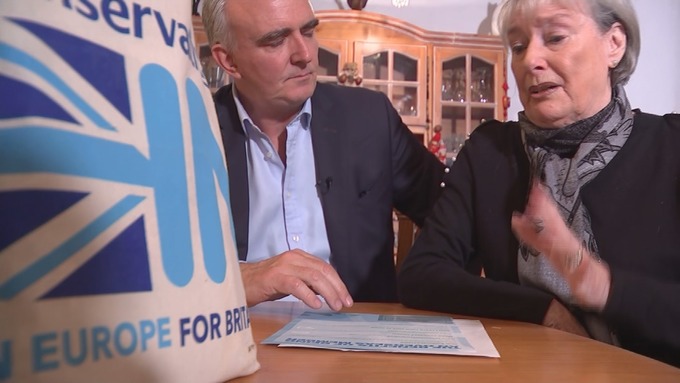
On November 26 2019, ITV News Europe Editor, James Mates, came to Nerja and Malaga to interview Bremainers Frances Gillard, David Fenton, Tamara Essex, Judy Farrar, Michael Soffe and Bremain Vice Chair John Moffett. Not everyone made the edit for the News at Ten bulletin but we really appreciate them all taking part. 

The full article by James can be accessed here – ITV News

Many thanks to James Mates, Natalie Wright producer, Dan the cameraman and everyone at ITV News for helping to highlight some of the issues facing British citizens in the run up to GE19. Thanks also go to Emilio Mojon Marquez, Hotel Manager, and the team at the Parador de Nerja for allowing us to film in their beautiful gardens – Parador de Nerja

Here’s the background to the story from Bremain Vice Chair John Moffett:

‘On a regular basis, we get requests from journalists from around the globe – but it’s always something special when one of the UK’s main broadcasters gets in touch with us at Bremain. On Monday morning, there I was in a Mercadona car park in Nerja planning to go shopping when I decided to check my e-mail and noticed that there was an urgent request from ITV News for candidates in the Málaga area for an interview on Tuesday or Wednesday. I messaged Sue and within minutes she had posted in both the Málaga and Southern Spain Bremain regional groups.

They specifically wanted a Bremain spokesperson to talk about tactical voting so, once I got home, I replied to say that I would be happy to do it. Sue has always done the vast majority of TV interviews, but as they were in my area it was time for me to step up, despite my nerves. By mid afternoon we had a good handful of willing volunteers and we were just waiting to hear back from ITV News. It turned out that they were en route from London and the reply we received was that they thought they had enough people lined up so we stood down our volunteers. However, they still wanted to interview me.

As has happened regularly, things can go pear shaped at the last minute, so I was expecting them to cancel. Nevertheless, I made suggestions about a time and place and waited for them to reply. At 11:30 p.m. Monday night, I gave up and turned the light off, expecting the interview to be called off, but by the time I woke at 7:15 a.m. the next day, ITV News had confirmed – and this time said it was OK for others to come along, too. Lying in bed I quickly tagged our volunteers to see if they could make it at such short notice and I was thrilled when some changed plans to be there.

We met in Nerja at the Balcón de Europa hotel café – Frances Gillard, Barbara Hartley, Candace Edwards, David Fenton and me. We were having coffee when a familiar face popped into view hiding behind dark glasses in the hope we wouldn’t spot her… it was the Bremain Lobby Group’s star Ruth Woodhouse, who had really come along to offer moral support. Before long, the ITV News team messaged me to say that they were there and I went to meet them: James Mates, ITV News Europe Editor, Natalie Wright, Producer, and Dan the cameraman. As well as being much taller than I had imagined, James was charming and also very knowledgeable. He was able to name the previous MPs from our constituencies. We all sat and had a coffee while Dan set up shop, but the parakeets and noise from adjacent building work proved too much for our location.

Off we walked along Calle Carabeo to another viewing spot where some filming took place, only to be halted again when workmen started digging up pavements nearby. David and Candace had the great idea of using the Parador de Nerja resort, so David and I headed off to ask permission. We bypassed the queue at reception and the waiter in the garden café said it was OK – so back to get the others. However, we’d just got started when suddenly there was a man waving his arms at us, saying that we couldn’t film without permission. He was the hotel manager who had just come on duty, so our timing couldn’t have been worse! He asked what we were filming and David and I explained but he said that because it was a state owned property, we had to e-mail him with details of the participants, which news outlet and why. He said that he would contact HQ and normally got permission within minutes so I started typing!

The ITV crew had other appointments planned – including Tamara Essex, Judy Farrar and Michael Soffe, who had been contacted independent of Bremain – so time was of the essence. But, true to his word, the manager, Emilio, was back to say that we had permission. Phew! James and the crew got set up and we ordered drinks – by this time I was ready for a beer so ordered one, not expecting to be the only one and forgetting that it would be on camera but why not act like the stereotypical Brit I thought!

Frances and David had agreed to be interviewed with me, and James asked questions of all three of us, moving the microphone on the table as we went along. Very soon we forgot that we were being interviewed and it was more like a chat. Frances and David were very articulate and did a great job explaining the situation of UKinEU and describing how Brexit would affect us as well as giving their views on election issues. The clip was shown on News at Ten on Wednesday night and is now available on our Website here.

So it just goes to prove that no matter what we plan in advance, things can go wrong! As always, Bremainers will persevere to ensure that our voices are heard. Many thanks to Frances and David in particular but also to those who came along for moral support.’

Are there enough Remain voters living in the EU to affect the election result?

Are there enough Remain voters living in the EU to affect the election result?

Is there a strong enough Remain contingency abroad to swing the General Election?

The answer is probably that no-one knows for sure.

Certainly there are plenty of potential voters beyond Britain’s shores – by one estimate 1.2 million – though after decades of freedom of movement across the continent, figures are necessarily imprecise.

And there is not much doubt that there is a Remain majority among them, especially among those who live permanently abroad rather than spending part of the year in holiday homes.

Few will be more affected by Brexit that Britons living abroad, with uncertainty now hanging over their residents’ rights, their pensions and access to health care.

So it is reasonably to expect that many will be highly motivated to vote for Remain supporting candidates on December 12th.

In Southern Spain you will find the greatest concentration of British immigrants anywhere in the EU.

There are around 300,000 or so officially, possibly as many again living unofficially in Spain.

Many long-term residents have lost the right to vote in UK elections after 15 years abroad, but many more haven’t, and those we spoke to this week are determined their voices will be heard.

Everyone is talking about tactical voting this election, but I’ll wager nowhere more so than on the Costa del Sol.

Campaigning groups like Bremain in Spain are helping with advice and encouragement about how to vote in home constituencies to have the most effect.

Traditional tribal loyalties seem to have broken down almost completely.

Even the regional head of Conservative Abroad admitted that it was difficult to keep Remainer Conservatives from deserting the party this time.

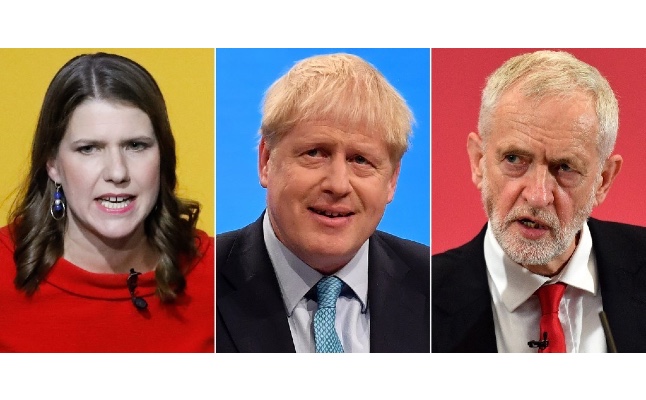
We found life-long Conservatives holding their noses and voting for Corbyn or Swinson if it will help a Remain candidate keep a Tory out.

Labour and Lib Dems, even paid up party members, told us they were quite willing to lend their votes as necessary to have the greatest impact against Boris Johnson.

The votes cast abroad may be spread too thinly across too many constituencies to have a real impact, but there may be some super-tight marginals where they can swing the seat on election night.

And if this election is going to be close – a big ‘if’ admittedly – then the result in just a few seats may be all it takes to change the occupier in Downing Street.

Taken from ITV News webpage


Sue Wilson Writes: Do Britain’s political parties really care about Brits living in Spain?

Sue Wilson Writes: Do Britain’s political parties really care about Brits living in Spain?

Last week saw the publication of manifestos from the main political parties, ahead of the UK general election.

From the hundreds of pages already available, I’ve been reading the manifestos to see if Brits abroad merit a mention.

I won’t pretend to have read them in detail, but I’ve focused on pages relevant to Brits living in Europe.

The LibDems manifesto proves that it’s not just a one-policy party, solely intent on stopping Brexit.

Its manifesto includes a wide range of social, economic and environmental proposals.

One positive promise for Brits abroad is the restoration of full voting rights – a promise to return our ‘Votes for Life’.

It was something of a surprise to find the Conservatives offering to restore our voting rights too, though we have been here before with the defunct ‘Overseas Electors’ bill – a private members bill that never made it through parliament.

Labour’s manifesto is extensive and is considered the most radical.

It includes proposals for re-nationalisation of certain industries such as rail and mail, and massive spending commitments.

Labour pledges to maintain the triple lock on pensions – a commitment also made by the LibDems.

However, Labour goes one step further, specifically mentioning Brits abroad.

The manifesto states: “We will ensure that the pensions of UK citizens living overseas rise in line with pensions in Britain.”

Labour also commits to compensating ‘WASPI’ women – those born in the 1950s who have been deprived on thousands of pounds worth of pension payments.

During the televised leaders’ debate on Friday, the Prime Minister said he sympathised with WASPI women, but a solution would be expensive.

He responded to an audience question with: “I cannot promise that I can magic up that money for you.”

Unlike all the money the government has magicked-up to pay for Brexit.

The Conservative party manifesto was only published yesterday, but the headlines are a commitment to railroad the Brexit Bill through before Christmas, hold down taxes and “put more money back in people’s pockets”.

I suspect that the only people who will end up with more money will be those that need it the least, and certainly not those affected by the fluctuating exchange rate.

The Conservative manifesto also includes a number of crowd-pleasing initiatives, such as repairing potholes and axing hospital parking fees.

Rather begs the question as to why these wonderful new ideas, if considered so important, never came up in the last nine years of Conservative rule.

I have yet to find any further reference to our situation in Europe, but I’ll keep checking. Perhaps we are hidden somewhere in the small print.

A recent poll identified the NHS as the British public’s number one concern, with Brexit coming a close second.

All other topics fall way behind. It’s debatable whether Brexit is a major concern to British voters abroad.

It’s clearly the top priority for the Conservative party – we are all overfamiliar with the prime minister’s overused slogan, “get Brexit done”.

Brexit is certainly the priority for the Liberal Democrats. Labour, on the other hand, would prefer to focus the election on other important issues, such as an end to austerity, improving education, housing and social care, etc.

No matter what you consider important in British politics today, this is the Brexit election.

Even if Brexit isn’t your personal priority, it will still be a hugely significant factor. The outcome of the election, and Brexit, will determine whether there’s money in the coffers to pay for all the promises being made by the political parties.

The LibDems promise to use a £50bn “remain bonus” to fund their spending plans.

The Conservatives have criticised Labour for planning to spend £80bn on its radical programme, yet they’ve conveniently forgotten their own bill for Brexit runs to a similar figure, according to Bank of England estimates.

Meanwhile, the treasury refuses to confirm the extra cost of the government’s Brexit plans – perhaps believing that the public’s ignorance is bliss.

For those lucky enough to retain a vote in the general election, our reasons for choosing a party will be personal and varied. We may have supported the party for years.

Our vote may be cast based on our feelings about Brexit.

Or we might decide based on the content of the manifestos and the promises of a different – and, hopefully, better – future for the UK.

For me, as a strong Remainer, I care less (at least for the moment), what policies my candidate is promising to implement.

I won’t be voting for the party that most closely matches my personal preferences.

I won’t be voting for the party that I supported for over four decades, or the party I’m likely to choose in the next general election.

Rather, I’ll be voting for the party with the best chance of removing my Conservative MP from his relatively safe seat.

So, please read the manifestos and understand what your candidate and party represent.

Then hold your nose, forget your tribal instincts and vote to #GetTheToriesOut!

We need to be rid of this government and rid of Brexit, so we can concentrate on putting the UK back together and undoing all the damage.

Thank you all the same, Mr. Johnson, but no, I don’t want Brexit, or another five years of Tory government for Christmas, if it’s all the same to you.

Happy No Brexit Day Mk iii!

Happy No Brexit Day Mk iii!

Bremain started the month of November celebrating the fact that we’re still in the EU. We asked our members to take photographs at midnight on October 31st – we wanted to know how they had celebrated our continued membership of the EU, on what should have been Brexit Day (again).

Our chair, Sue Wilson, organised her own party at a local restaurant on the outskirts of her village. Rather than hire a fleet of taxis, Sue hired the local ‘Tren Chu-Chu’ for the occasion, which was duly decorated with flags & placards. Here’s how some of our other members celebrated: