Europe Day 9th May- Bremainers Celebrate with Memories

Europe Day 9th May- Bremainers Celebrate with Memories

Europe Day is held on 9 May every year in celebration of peace and unity in Europe. The date marks the anniversary of the historic Schuman declaration‘. At a speech in Paris in 1950, Robert Schuman, the French foreign minister, set out his idea for a new form of political cooperation in Europe, which would make war between Europe’s nations unthinkable. Schuman’s proposal is considered to be the beginning of what is now the European Union.

Tragically, the UK was no longer a member state of the European Union for the seventieth anniversary of Schuman’s speech. This Europe Day was, therefore, all the more poignant. The loss was felt by Brits in the EU, EU citizens in the UK and Remainers everywhere. It saddens us that the freedoms we took advantage of, to live, love, work, study & retire in the EU, will be denied to future generations. A message of solidarity and friendship from the ambassadors of all the EU nations to the British people underlined how much we are losing, but also how much there still is to fight for.

On Saturday May 9 this year, inspired by Steve Bray’s #2020MarchForEU virtual March on Parliament, Bremain members celebrated Europe Day. In a break from our usual business, Facebook Group members shared their photographs & memories of the last 4 years of marching, campaigning & waving the EU flag. We marched in rain and sunshine, we held rallies, signed petitions, we wrote letters and e-mails, and we never gave up. And we forged friendships that will continue to unite us across Europe, whatever the next few years bring.


Please view our gallery images. Click to enlarge and simply scroll through.

“Growing blue hair and blowing a whistle!”


“Bremain in Spain – keeping me sane!”

“Would not have missed it for the world”


“As always, great to meet so many lovely kindred spirits and to feel the solidarity!”

“Some amazing memories and lovely friendships”


“Happy Europe Day one and all. Too many photos to choose from!”

What will Brits in Spain need to get ‘settled status’?

What will Brits in Spain need to get ‘settled status’?

Sue Wilson of Bremain in Spain provides some reassurance for British people resident in Spain.
 
With the British government pushing its controversial Immigration Bill through parliament last week, the focus was on the rights of EU citizens. In particular, the ruling that requires immigrants to pay into the NHS, regardless of their existing tax contributions, seems especially unfair. The government’s dramatic U-turn to remove the fee for healthcare workers was welcome, but the issue of double taxation for other EU citizens remains.

On this side of the Channel, Brits in Europe are mourning the loss of their freedom of movement rights, which enabled us to make new lives for ourselves in EU countries. Those opportunities, that we took full advantage of, are sadly being taken away from future generations. Those of us already residing here must focus on protecting the lives we’ve built.

Regarding our status in Europe, Michael Gove recently wrote to Michel Barnier. In his letter, Gove criticised the EU for being too slow to implement systems to secure future residency rights for British citizens. Gove cited the UK’s ‘settled status’ scheme for EU citizens in the UK and expressed concerns that the EU would not meet its Withdrawal Agreement obligations in a timely fashion.

For those of us living in Spain, what will be required by the Spanish authorities in order for our status to be ‘settled’?

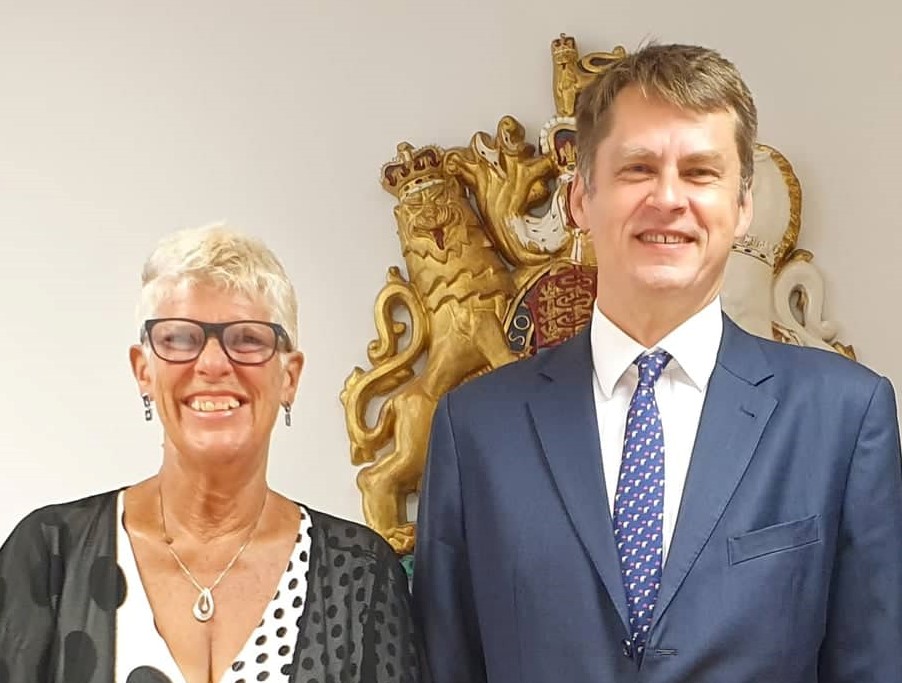
UK Ambassador Hugh Elliott and Sue Wilson

Here’s what we know so far. Spain’s existing identity card for foreigners, known as the ‘tarjeta de identidad de extranjero’ (TIE) will replace the current documentation for British residents.  

The TIE proves legal status and is issued to foreigners authorised to stay in Spain for longer than six months. Those Brits registering for the first time will be issued with a TIE; those holding existing residency documents will be able to swap these for the TIE.

To read the article in full head over to The Local. 

Coronavirus is the perfect scapegoat, even for Brexit

Coronavirus is the perfect scapegoat, even for Brexit

Sue Wilson analyses the latest round of post-Brexit trade negotiations and the obvious need for an extension to the transition period.

A further round of trade negotiations between the UK and EU ended on Friday, without any noticeable progress.

The talks were described as “tetchy” and “disruptive” and Michel Barnier, the European Commission’s chief negotiator, said the UK was still wanting the “best of both worlds”.

Midweek, an unnamed EU source again raised the possibility of an extension to the transition period.

The source claimed that the UK could still secure an extension, even if it didn’t ask for one. All that’s required is for both sides to agree to extend, rather than requiring a formal request from the UK. Unsurprisingly, the UK government is sticking to its position that the transition will end on 31 December, with or without a trade deal.

Although the talks have largely been over key issues, such as fishing policy or maintaining a level playing field on standards, the rights of citizens were also discussed.

Against the background of legal action by the EU against the UK government over EU citizens’ rights, the minister for the cabinet office, Michael Gove, hit back on Thursday. In a letter to European Commission vice president, Maros Sefcovic, Gove said there was a “serious risk” that the EU would be in breach of its obligations under the terms of the Withdrawal Agreement (WA).

You can read the article in full at The Local.

UK needed an exit strategy, they got another slogan!

UK needed an exit strategy, they got another slogan!

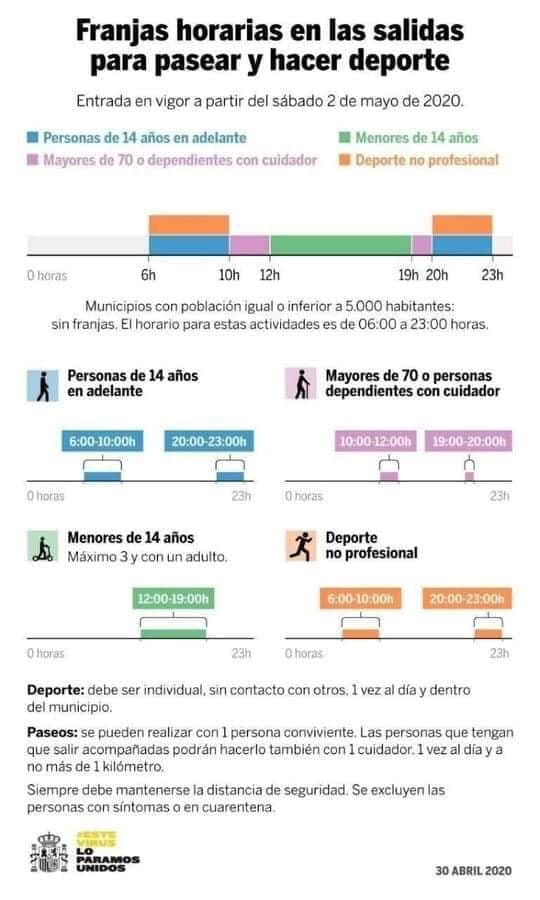
Sue Wilson compares the mixed messages from Downing Street with the clear road map issued by the Spanish government.

This week, Spain takes another tentative step towards lifting its lockdown restrictions. Many regions are entering the new “Phase 1”, with further freedoms granted to the 51 percent of residents affected.

The relaxing of lockdown here echoes the efforts of other countries across Europe. Governments are considering what steps to take, and when. 

They are coming under increased pressure from opposition parties, business, media and public to juggle the demands of economic wealth versus public health. In some cases, not least in Britain, protecting livelihoods seems more of a priority than protecting lives.

Much as we might want a return to “business as usual”, it’s hard to see how that could happen anytime soon. We must adjust to new ways of doing everything, while remaining conscious of the health threat. As Boris Johnson might say, we must “stay alert” to the dangers.

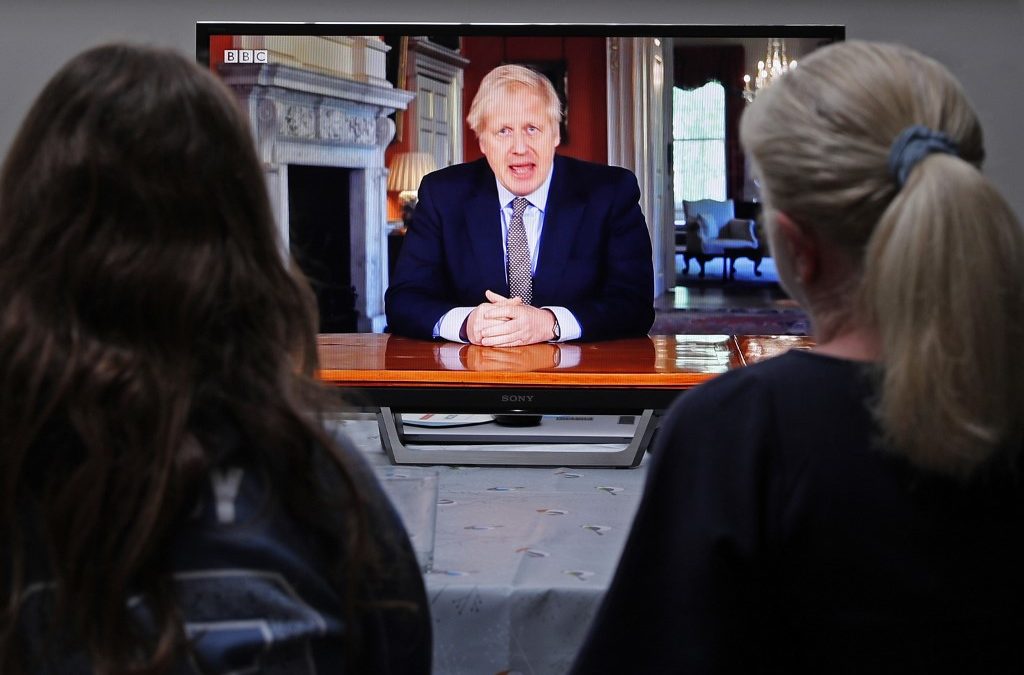
While the message from the Spanish government about the lifting of restrictions was clear, the message from the UK government was not. For several days before Johnson’s Sunday evening announcement, the British media was full of the ‘news’ that lockdown measures were about to ease.

Mixed messaging from the British government during the coronavirus crisis is nothing new. Last weekend was no different and required minister after minister to downplay media speculation.  It seems talk of additional freedoms had been somewhat exaggerated.

Word had spread that the government was dropping its “stay at home” message, to be replaced with the new slogan, “stay alert” – whatever that’s supposed to mean. A damage limitation exercise was then required to persuade the British public to stay home during the bank holiday weekend.

You can read the article in full in The Local. 

Mixed emotions on stepping out …..

Mixed emotions on stepping out …..

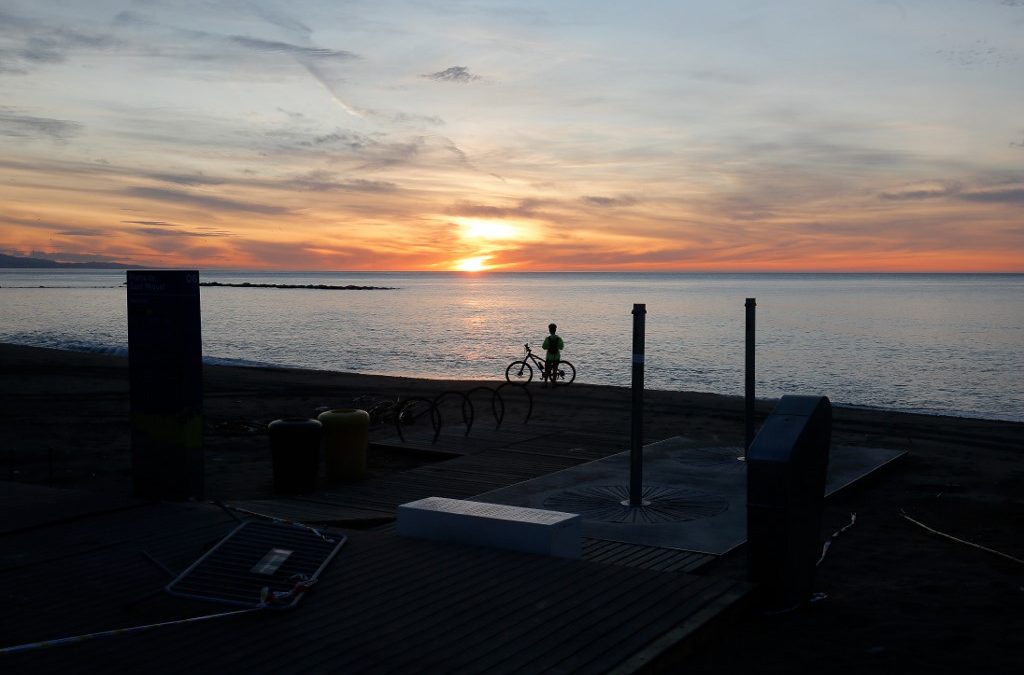
As I stepped outside my front door on Saturday, after weeks of lockdown, it was with mixed emotions. Like millions of people across Spain, I was eagerly anticipating my first walk, having been no further than the rubbish bins for seven weeks. Sharing the experience with my husband was a bonus.

On a beautiful spring morning, in our beautiful village, the feeling of freedom was one I had expected. The feeling of nervousness was one I had not.

Lockdown has caused many of us to consider what we’ve most been looking forward to once restrictions are lifted. The simple pleasures in life – such as taking a stroll with my other half – rank high on my list. It never occurred to me that going for a walk might make me concerned for our safety.


The ways in which we’ve come to terms with lockdown – both the implementation and de-escalation – vary a lot according to our age, personal circumstance and even personality.

Those living in flats will have experienced a very different lockdown to those with gardens. The experience of city dwellers will not reflect that of those living in the countryside. Families will have reacted differently to those isolated and alone.

You can read the article in full at The Local.

Bremainers Ask ….. Ian Dunt

Bremainers Ask ….. Ian Dunt

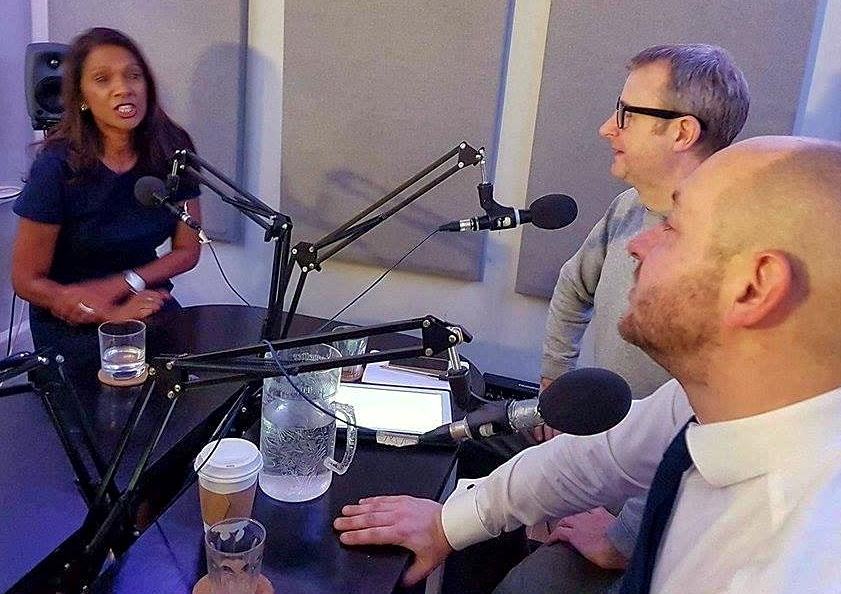
Ian Dunt is editor of Politics.co.uk, author of Brexit: What The Hell Happens Now? and a host on the Remainiacs podcast. His new book, How To Be A Liberal, is out later this year.


Ruth Woodhouse :Do you feel that the current coronavirus situation is bringing countries together or, especially in the case of the UK, driving them further apart?

This is a fascinating question. The reality is it does both. Taking the downside first: borders are closed, all over the world. It’s hard to get a more obvious example of national distancing than that. And on a less obvious level, some of the squabbles seen in Europe this month over the financial response, for instance on mutualised debt, have brought back the euro zone crisis demons and revealed that deep split between fiscally conservative countries and the rest. That has the capacity to do much more damage to Europe than Brexit has.

But there are reasons to be positive too. All countries face the same threat and share the same purpose under Covid-19. It is only by seeing what works in other countries and emulating them that we can succeed. So there is a chance here, if we take it, to make the case for internationalism – for countries working together to share expertise, equipment, and evidence.

Roy Stonebridge: It seems almost inevitable that we will arrive at the end of 2020, in the midst of a virus led global recession. How could UK possibly contemplate any changes to the trading arrangements with the EU in such circumstances?

Well if the government was half-way sane it would not consider this. But then, if it was halfway sane, it wouldn’t have got us in this position in the first place. People often assume that No.10 will be sensible if the crunch comes, but pretty much all the evidence of the last few years suggests that’s unlikely.

However, there are a few differences this time. Some leading Brexiters have expressed support for extension. To be honest, probably the best way of achieving an extension is for Remainers to not demand it. If it gets folded into the culture war, it’ll be lost.

One thing is true though: you can judge the government’s Covid-19 response by the Brexit extension. If they do not request an extension, they are doing Covid-19 wrong. This disease should be demanding all their time. If they have any capacity for anything else, they have not understood the magnitude of it.

Christine Jones:If it hadn’t been for Brexit, what might you have been doing for the last 4 years?

Oh God. The lost opportunities. More time down the pub, more time reading books, less time reading about the allocation of fish stocks in the European quota system.

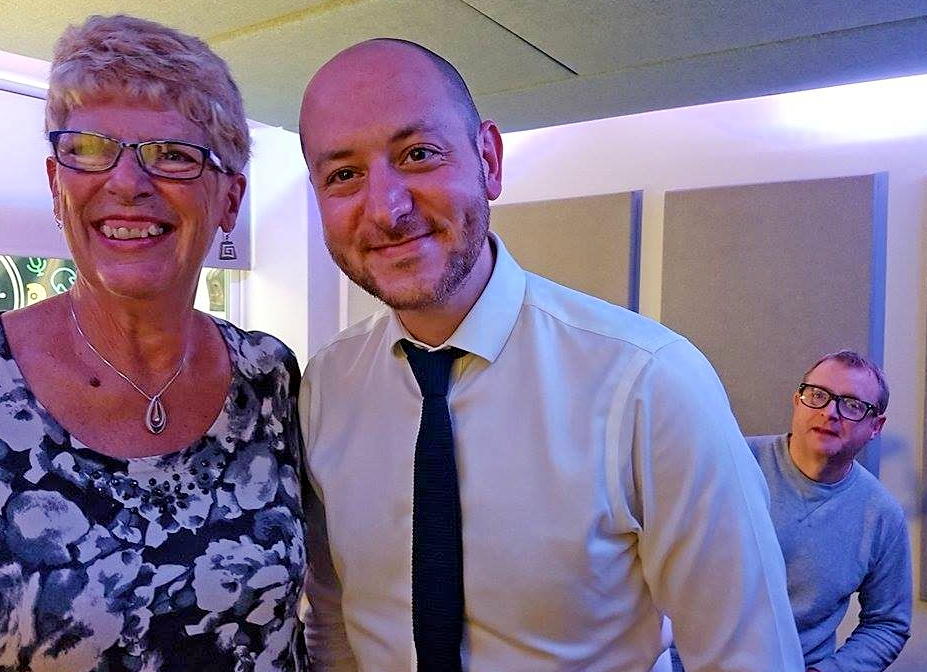
Ian with Gina Miller

I used to write about other liberal issues: Drug policy reform, free speech, immigration, civil liberties, prison policy. I miss that. Not enough journalists cover it, so when you drift off, you feel you’re letting the side down. But unfortunately, there’s no chance of getting back to it any time soon. The nationalist wave is not receding. And anyone who believes in liberalism, reason and internationalism owes it to themselves to stand up against it. To be honest, as long as we can hold our head up high in a few years’ time and say that we played our part in trying to stop this thing, we’ll be able to consider it time well spent.

Tracy Rolfe: What impact do you think Keir Starmer’s election as Labour leader will have on our medium- to long-term chances of rejoining the EU?

Potentially significant. He is electable. That’s not to say he will be elected, but at least he can be, which is more than we can say about the last Labour leader. He is also a Remainer. He has done enough, over the last few years, to earn our trust on that. If he sees an opportunity to rejoin, he will take it.

But the best thing we can do to make that happen is to lay off him. There should be no pressure for any attempt to rejoin in the short term. We should be aiming to make sure rejoin is a manifesto commitment in the election after next. And that can be done.

As my colleague on Remainiacs, Naomi Smith, says: ‘The first rule of Rejoin club is you do not talk about Rejoin club.’

Remainiacs

Lisa Ryan Burton: Do you think Keir Starmer will face the same level of criticism from the British media that Jeremy Corbyn faced, or will his background and character make it much more difficult for the press to paint him in such a negative way?

He will face much less. There are very simple reasons for this. He does not seem to actively dislike Britain. He has basic competence. This seems obvious, but the previous leader was seemingly incapable of it.

However, he will still be attacked. The press are largely – outside of the Guardian, the Times and the FT – cheerleaders for Boris Johnson. That won’t change. They’ll look to undermine Starmer. If he’s clever though, he can sidestep this. And the way to do it is to speak over their heads, utilise the opportunities offered by impartiality rules on broadcasters, not treat the media as a tribal enemy, and triangulate the government position – try to turn the debate on issues in which you appeal to their base in order to expand the opportunities you have in your own territory.

Sue Wilson and Ian Dunt

Stewart Luscott-Evans: Has the coronavirus pandemic changed your views about Brexit in any way, or has it reinforced your beliefs?

Neither really. Brexit still seems a bloody silly idea. But it’s not like the EU response has been so magnificent that it particularly helps in the other direction either.

If anything it makes me worry about how the EU handles its own Covid-19 crisis. It must do better this time than it did in the bond crisis. It must demonstrate solidarity, the basic principle on which it is based. There’ve been a few examples of that – Macron’s rhetoric, Merkel’s use of equipment provision. But the efforts by Germany and the Netherlands to kill off attempts at really broad-ranging mutualisation of debt measures doesn’t bode well. It’s not enough to smuggle compromises into haphazard initiatives which go under the radar. It needs big visible measures that don’t just work, but are seen to work.

For decades now, national leaders have been able to claim credit for the good things the EU does, and blame it for whatever they don’t like. The EU facilitates this by stuffing big projects into boringly titled stability mechanisms and the like. That has to stop. They need to fix the policy. And they need to fix the way the policy is presented. The severity of the crisis provides a moment in which to achieve that, in a really eye-opening and effective way. I hope they take it. Although I must say that the early indications are not good.

Many thanks to Ian for taking part. Next month we talk to Jessica Simor QC.