‘UK’s illogical quarantine has disrupted the lives of Brits in Spain’

‘UK’s illogical quarantine has disrupted the lives of Brits in Spain’

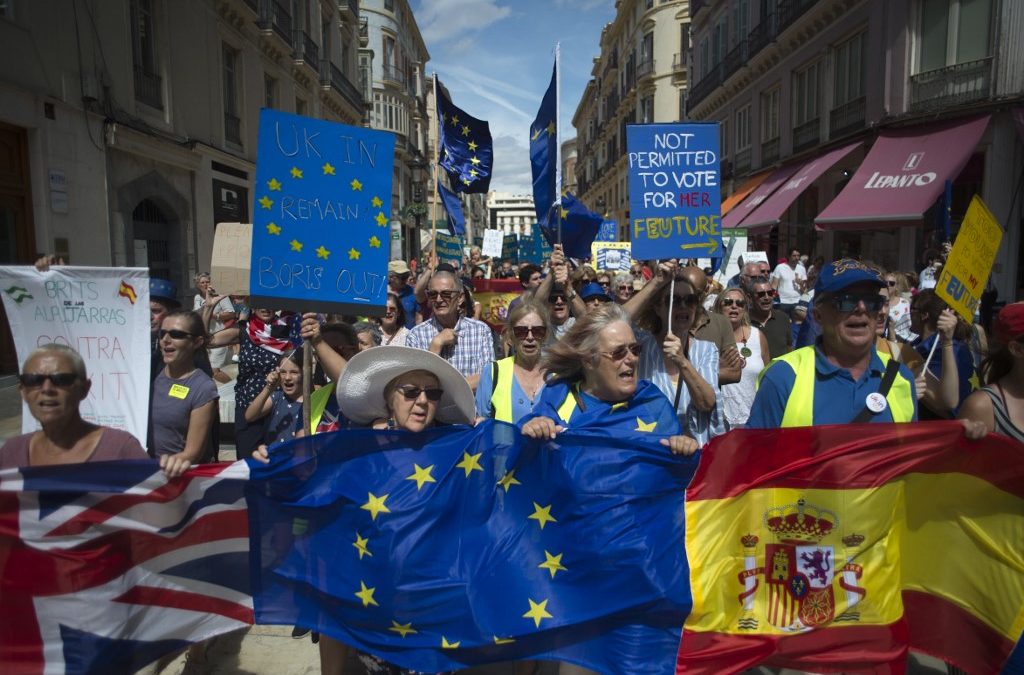
The UK’s abrupt quarantine reintroduction has confused and angered British holidaymakers, but also disrupted the plans of Brits living in Spain who haven’t seen their families back home in months, writes Sue Wilson of Bremain in Spain.
The measures, involving report-filling and 14-day self-isolation, were implemented just a few hours after the government announced them last Saturday, surprising many British travellers who were already in Spain.

The British government advised against all but essential travel to Spain, over its concerns of rising numbers of new coronavirus cases. Spanish Prime Minister, Pedro Sanchez, said he wasn’t forewarned of the announcement and described the measures as unjustified.

The new quarantine affects travellers from the whole of Spain, including the Balearics and the Canaries, where infection levels are low. This is a major concern for the Spanish tourist industry, which accounts for 12 percent of GDP.

The focus has naturally been on tourists and tourism.

Unfortunately, British citizens resident in Spain, and Spanish citizens living in the UK, have been affected by the illogical quarantine measures, that were dropped on them so suddenly.

quarantine

After weeks of lockdown, where international travel was difficult, and borders closed, many people were making plans to see family and friends.

Following an eight-month separation, Sarah Clark from Torremolinos was looking forward to taking her teenage son to Somerset in August, to visit his grandparents.

She said: “My parents were upset but as I’m a freelance translator, and can work anywhere, we’ll go anyway and quarantine ourselves at their house. Otherwise, who knows when we might see them again?”

While some Brits are willing and able to quarantine in their family home, others won’t have that opportunity.

You can read the full article over at The Local. 
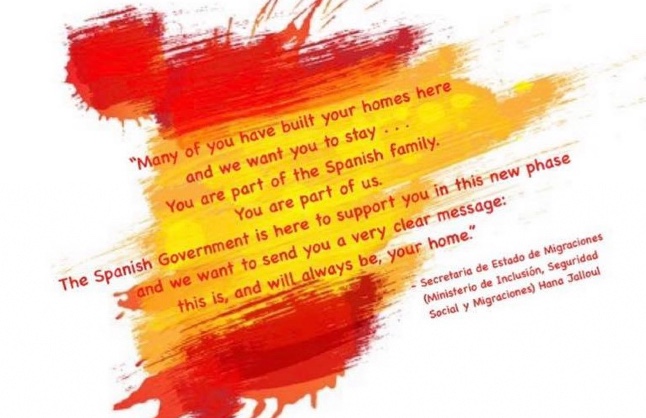
‘I trust the Spanish government to protect rights of Britons in Spain’

‘I trust the Spanish government to protect rights of Britons in Spain’

The Spanish government’s attitude towards British residents in the country is in stark contrast to that of the UK government towards EU residents, writes a grateful Sue Wilson from Bremain in Spain.
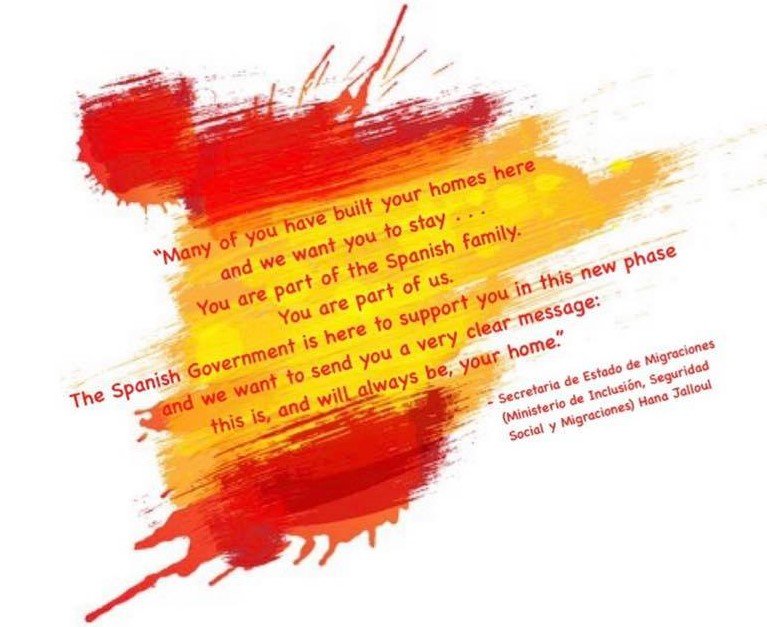
The recent sentiments expressed by Spanish Secretary of State, Hana Jalloul (Ministerio de Inclusión, Seguridad Social y Migraciones), were welcomed by British citizens across Spain. In fact, they brought a tear to many an eye and a lump to the throat.

In a recorded video message, British Ambassador to Spain, Hugh Elliott – along with Hana Jalloul -clarified forthcoming changes to the residency document for UK nationals and offered messages of support to the British community in Spain.

The quality and frequency of the information provided by the British Embassy over recent weeks has reassured many resident Brits. The clear steps to the new process, and the necessary requirements, have been frequently communicated to relevant stakeholders. However, it was reassuring to hear directly from the Secretary of State. The simple, straightforward approach by Spanish politicians has been welcome, but Jalloul’s personal message really hit home. 

As a Brit living in Spain, I’m constantly aware of similarities and differences between here and the UK. Whether it’s the prevailing attitude towards Brexit or coronavirus, a crisis can bring out the best or worst in people – and their governments.

The attitudes of the Spanish authorities and public towards the European Union contrasts with the UK and its constant rhetoric surrounding migrant residents. While Spain has shown compassion for its British residents, and people wishing to join them, the UK’s treatment of Spanish and other European citizens has, at times, been hostile and shameful.

Apart from the British government’s lack of empathy for EU citizens who already live there, the process of securing residency rights is complex and costly. There’s also a considerable risk that EU citizens who were legally resident before Brexit may have their applications rejected or their status downgraded.

You can read this article in full at The Local. 

Now it’s time for under-the-radar Brits in Spain to become official residents

Now it’s time for under-the-radar Brits in Spain to become official residents

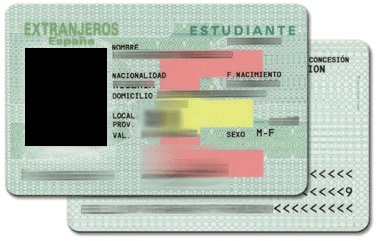
Tens, if not hundreds of thousands of Brits in Spain will soon be applying for the new Tarjeta de Identidad de Extranjero (TIE). For the time being at least, I will not be one of them, writes Sue Wilson from the Bremain in Spain group.
Don’t get me wrong – I think the new identity card is a great idea, and there are benefits over my existing, and rather ragged, green residencia certificate.

Since I moved to Spain in 2007, I’ve never left home without my passport. Although I have photo ID in the form of my Spanish driving licence, I’m a belt and braces kind of gal, and old habits die hard. Having a new photo ID card will finally make me leave my passport at home – in theory at least!

The TIE won’t provide any additional rights to those we enjoy as legal residents.  It does prove our entitlement to those rights protected by the Withdrawal Agreement (WA), but the old, green residencia certificate does the same. However, the new card will specifically state (i.e. printed on it) the protection of WA rights.

Legally resident Brits are under no obligation to swap their existing green certificate or card for the TIE, as our existing documentation will remain legally valid, even after the transition period. 

The British Embassy in Madrid has liaised with Spanish authorities and British citizen groups across Spain over this matter. Considerable debate has surrounded the TIE and the implications for non-resident Brits. Although it has recently been impossible to meet the Ambassador or embassy staff in person, because of Covid, our virtual meetings have continued. The Embassy are also keen to engage directly with British citizens, legal or otherwise, via their Facebook group, including live Q&A events.

TIE Example

Using funds provided by the British government, several organisations are providing support to British citizens in the most populated regions of Spain. These groups will focus on helping the most vulnerable people navigate the residency application process.

The number of British citizens legally resident in Spain has hovered over the 300,000 mark for some time, although the figure is now rising because of Brexit. The total number, including those living under the radar, is estimated at up to one million. Even if that is an over-estimate, the Spanish authorities will certainly be handling applications from hundreds of thousands of British citizens.

The two-step process for those who are not currently legally resident involves the immigration office and the national police and can take many weeks. To qualify for the important benefits conferred by the WA, such as healthcare and pensions protection, the non-residents will be mindful of the transition period ending on 31 December 2020. 

To read the full article please head over to The Local. 

Here are some useful links also: 

What are the steps to apply for a TIE residency card in Spain?

Why British second-home owners in Spain should register for residency

Q&A: What you need to know about the new Brexit-friendly Spanish residency card

Watching the UK from Spain is like watching a slow-motion car crash

Watching the UK from Spain is like watching a slow-motion car crash

“Only time will tell if Spain’s approach will prevent any serious reintroduction of the virus. By contrast, it’s difficult to watch events in the UK without feeling like we’re seeing a slow-motion car crash,” writes Sue Wilson from Bremain in Spain.

British citizens living through lockdown in Spain have generally appreciated the Spanish government’s handling of the Coronavirus crisis. Watching developments back in the UK – especially in England – has been a cause of concern, as we fear for the safety of family and friends.

The British lockdown, in comparison to ours, was late, loose and poorly managed. The rules were confusing and frequently illogical, and only seemed to apply to the general public – not to family and friends of the prime minister. It came as no surprise that the lifting of these measures was equally chaotic. 

On the much-hyped Super Saturday, pubs and restaurants were finally able to open in England, except in Leicester, which remains in lockdown due to a Covid spike.

To persuade the public to spend, spend, spend, the government opened pubs at 6am on 4 July. While encouraging a return to normality, such as enjoying a pint at the local, the government was advising the public to “act responsibly”. At the same time, Chief Medical Officer, Chris Whitty, was warning of the continued need to socially distance to avoid a second wave. 

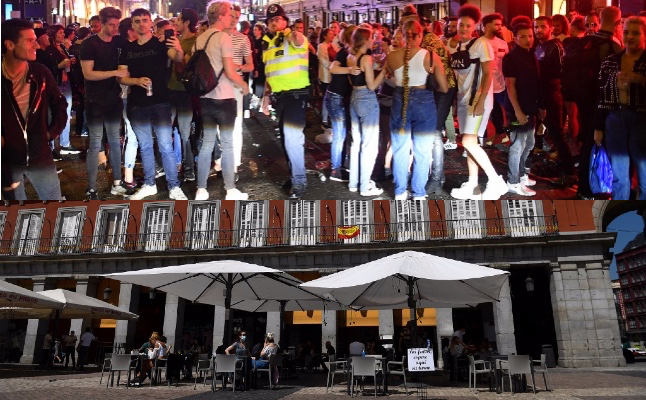
Sunday’s media coverage – of London, in particular – showed that social distancing in newly opened pubs was being largely disregarded. Pubs may have tried to stick to government guidelines but were overwhelmed by crowds of drinkers. The police seemed unable, or unwilling, to enforce the rules, with a senior police chief saying it was “crystal clear” that drunk people were unable to socially distance. 

Covid 19

When bars and restaurants finally opened in Spain, the safety measures were clear. Tables were further apart, group sizes were limited, strict cleaning regimes put in place, hand sanitiser everywhere, and masks to be worn when moving around. If my local bars and restaurants are anything to go by, the rules are being strictly applied, and every effort is being made to ensure compliance and safety. 

You can read the full article in The Local. 

Our lives in Spain are changing, no matter how you view Brexit

Our lives in Spain are changing, no matter how you view Brexit

While Brexit divides still run deep the reality for those on both sides is that their lives in Spain are soon going to change as transition nears an end, writes Sue Wilson from Bremain in Spain.

On the last day of June, the deadline for the Brexit transition period extension passed, almost unnoticed.

The British government has always insisted it would not seek an extension, even though one was on the EU table. This position may have been justifiable before the coronavirus crisis, but not under current circumstances. 

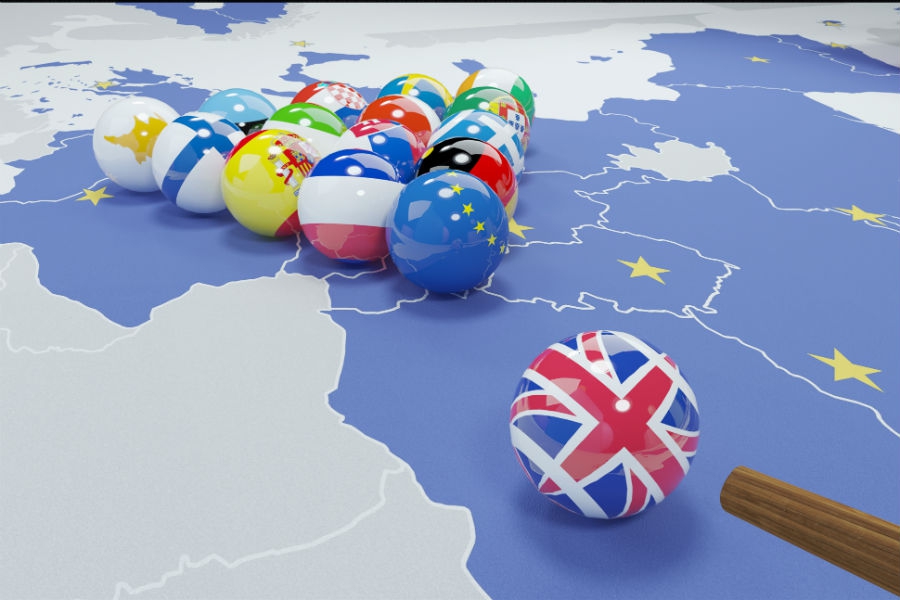
The EU/UK negotiators have just a few months to agree a trade deal and cement a future relationship. Although the transition period expires at the end of 2020, an agreement will need to be reached by October to allow time for ratification. 

Should an agreement not be reached, the UK will be forced – perhaps willingly – to trade on World Trade Organisation terms. That would see tariffs on goods, customs inspections at borders, and additional costs and administration – none of which have been adequately prepared for in the UK.

For UK residents, that will probably mean a further significant economic downturn, food and medical shortages, job losses, and more. For those of us living in Spain, many of the EU citizenship rights we have enjoyed will finally cease, and we can expect the Pound/Euro exchange rate to decline further.

A no-trade-deal Brexit is not the same as the much-feared no-deal of 2019, when all our rights were at stake. We now have a deal that protects many of our rights, including ongoing healthcare and pension provisions.

Those are protected for our lifetimes by the Withdrawal Agreement – a legally-binding, international treaty. People who are not of retirement age on 1 January 2021 will qualify for their S1 pension/healthcare when they reach retirement, if they have the required UK National Insurance contributions.

Other citizens’ rights have not been agreed, and probably won’t be, even if the EU and UK reach a trade deal. The loss of our freedom of movement as EU citizens will have the greatest impact. This signifies more than our ability to travel freely, or to work/study anywhere in Europe – it’s also about where we live. 

You can read the article in full over at The Local.