Are Spanish authorities doing enough to avoid another lockdown?

Are Spanish authorities doing enough to avoid another lockdown?

Sue Wilson considers the measures Spain is taking to combat the spread of coronavirus and whether they will be enough to prevent another lockdown.
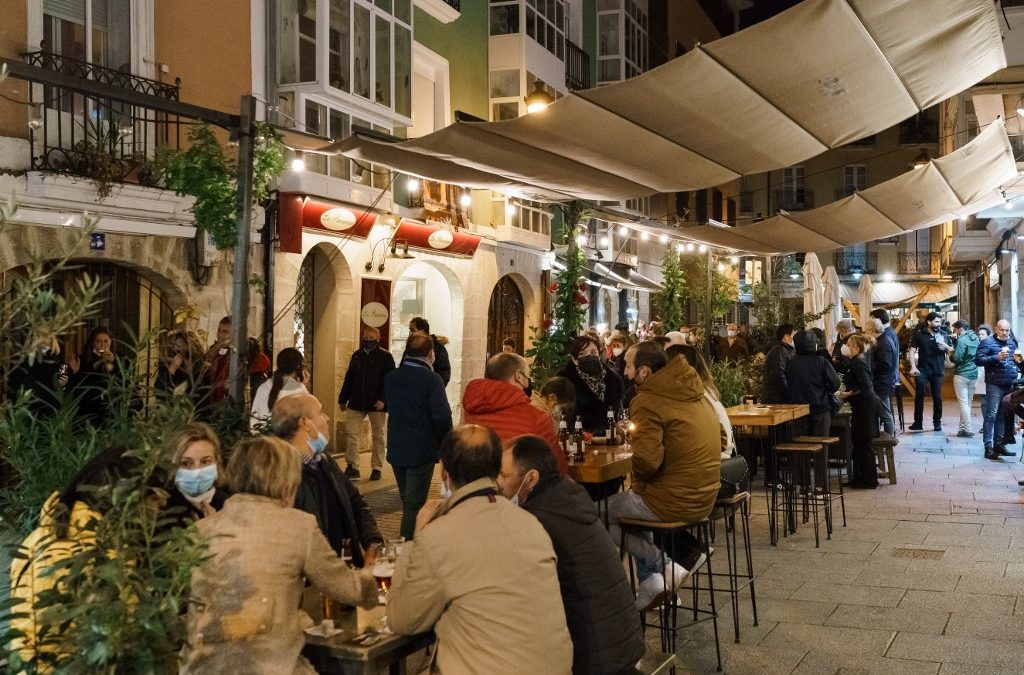
As we approach November 9th, it’s time for Spanish authorities to define their next Covid measures. At present, national and regional governments are examining whether the latest strategies to curb the pandemic are working against a worrying spiral in cases in many parts of Spain.

When Congress voted for the new state of alarm – scheduled to last until May 9th 2021 – it devolved powers to local authorities to impose further safety measures. These powers, however, stop short of allowing autonomous regions to impose home confinement. Whether we should have a further lockdown, with people largely made to stay at home, is now being widely considered.

Many countries are revisiting the use of lockdowns against the virus, including the UK. Although some of the current lockdowns aren’t as restrictive as those experienced during spring, many countries view domestic confinement as a vital tool in the Covid armoury.
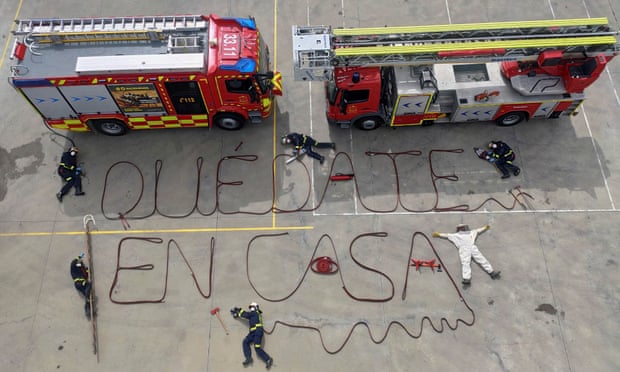
Lockdown in Spain

In Spain, the option of a further confinement – even a less restrictive one – is a topic that causes widespread disagreement.

Some regions, currently Asturias and Melilla, are requesting authority from central government to impose lockdown measures – a move that central government is resisting. The regions have the authority to impose other safety measures.

From the recent curfew to restrictions on crossing regional and even municipal borders, a degree of divergence and flexibility exists across Spain. Now some regions are introducing additional measures. In Castilla y León and Catalonia, fresh restrictions include the closure of bars and restaurants; in Asturias, it is the closure of non-essential businesses.

Experts are divided over the timing of further preventive measures. Some, such as Antoni Triller, Professor of Preventive Medicine at Barcelona University, suggest holding off until the impact of current measures is reflected in transmission rates. His view is supported by Andrea Burón, spokesman for the Spanish Public Health Association (Sespas), who believes another week is required to review the impact of current measures.

You can read the article in full over at The Local.

  Bremainers Ask Revisited – Part 4

  Bremainers Ask Revisited – Part 4

Bremain asked former Bremainers Ask commentators to give us their thoughts on where we are now, how they see things moving forward and what we pro-Europeans should be focusing on in the future. This is what they had to say.

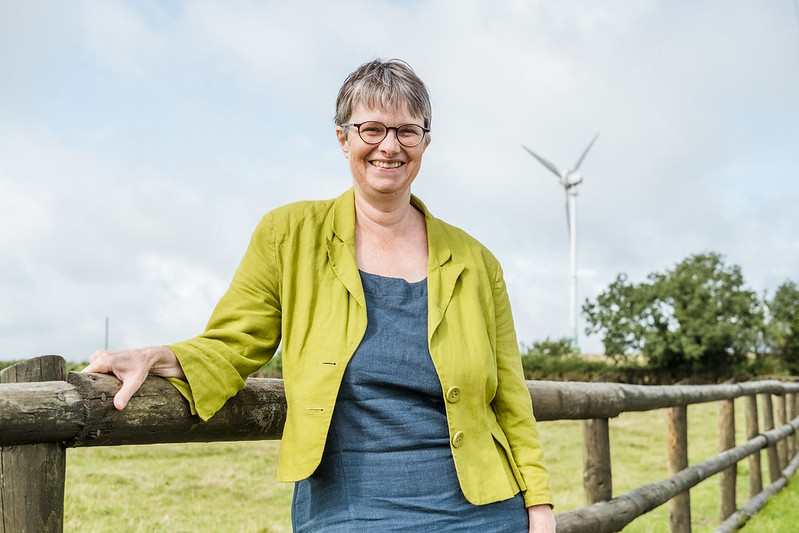
Molly Scott Cato MEP

Molly Scott Cato – Former Green Party MEP

I remember arguing during the 2016 referendum campaign that it was impossible to make Brexit a reality without destroying democracy.

At that stage I was not so pessimistic as to think that we had any politicians dangerous enough to trash democracy to achieve their absurd ideological ambition of untrammelled sovereignty. Now I know better. Not just the Internal Markets Bill breaking international law, but also the prorogation of Parliament and the stuffing of the House of Lords with pro-Brexit cronies, show that this government does not respect democratic standards. And they can’t. Because they won the election on a lie that they had an ‘oven-ready Brexit deal’, just as they won the 2016 referendum on a whole pack of lies. Those lies will unravel in January, when the transition period comes to an end, but for a while now most British people have not wanted the Brexit project to go ahead. Confidence that leaving the EU was the right decision for Britain has fallen to an all-time low, with only 39% believing we did the right thing, while 50% think we were wrong to leave (Yougov polling). A democratic government would listen to ‘the will of the people’.

We must not despair, so what are we to do?

The first sign of great hope is the widespread sympathy and affection that we Brits receive right across the EU. I’ve been amazed by the emotional response from European friends and neighbours. Far from the anger and frustration I would have expected there has been compassion and understanding. They have been through their own political disasters and they want to help us out of ours rather than blame us or laugh at us.

And we must make sure that our younger people become Europeans, as we were given the chance to do. As a Green I will always champion the amazing opportunity of freedom of movement, but I know that is a political longshot. But we can continue to fight to stay a part of the Erasmus scheme that allows thousands of young people every year to live in another EU country and is especially important for those from poorer families. We must campaign to keep this chance for our young people to widen their horizons, and it is a campaign we can win.

We have to continue to cooperate on key global issues, with climate at the forefront. It simply makes no sense to play the sovereignty card when some of the most pressing political issues are global issues. Cooperation over sharing technology, sticking to shared targets, and cooperating over energy policy can help keep us close to our European neighbours.

And finally, we can join the key organization that has always stood for closer ties with the EU. I worked with the European Movement during the referendum campaign and am now on the national council. Having been founded by Winston Churchill in 1949 it has the track-record and authority to act as the key membership organization for those of us who want to keep the closest possible relationship with Europe.

Although times are tough, we know that Brexit as promised cannot be delivered. We need to calmly and clearly point that out, as the wheels come off in the coming months. And we all need to stand up for democracy and make sure that the UK’s political system is reinforced so that a gang of crooks and truth twisters can never again hijack our country for their own ends.

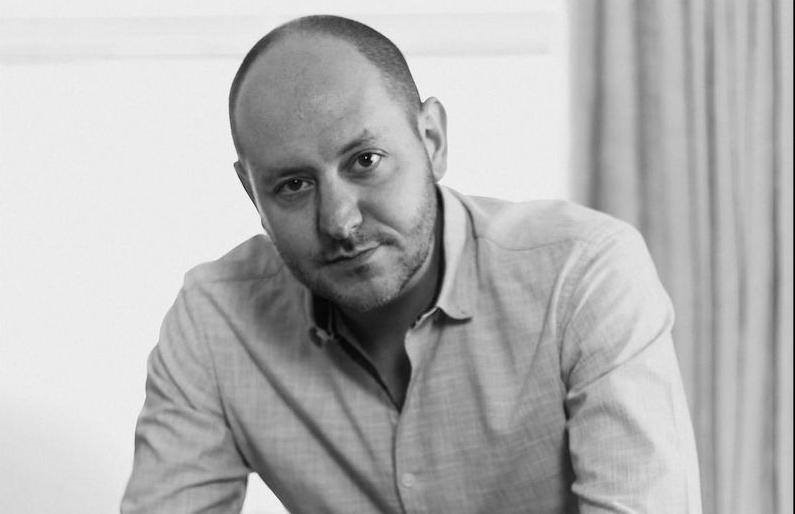
Ian Dunt – Editor Politics.co.uk

We’re in a strange place right now – an odd little half-way house. 2020 has seen us leave the EU legally without leaving it practically. We’ve lost the ability to stop Brexit, which motivated many of us in the period between the referendum vote and the 2019 general election, but we’re yet to see the real world effects of the project.

Ian Dunt

This period will not last forever. On January 1st 2021, the next stage of the Brexit story begins. It is when reality collides with dreams. Every other time this has happened – when Theresa May outlined the backstop, for instance – the Leave lobby lost its mind. We can expect that to play out again in the months to come.

Regardless of whether there is a deal or not, we are about to see the reintroduction of border controls to a region which had grown used to life without them. This means customs declarations, safety and security documentation, regulatory checks for sanitary and phytosanitary products, country of origin requirements, and the grim splatter of whatever system they introduce for the arrangements in Northern Ireland.

These are complex procedures, requiring a lot of different people in lots of different sectors to do the right thing at the right time in the right place. It involves countless hastily-implemented IT systems, with complex inputs, which have to be filled in at the correct moment by officials working for exporters, hauliers, port authorities, importers and government agencies. Customs procedures are black and white. They’re right or wrong. So where things aren’t done correctly, they will stop a shipment and all the other shipments being transported with it. Their sudden implementation, under a tight time-scale, overseen by a government which makes a mess of even much more simple operations, will likely be very chaotic.

When the reality of that hits, the Leave government is going to try and blame someone else. This is what they always do. They blame the Europeans, or the civil service, or the Labour party, or Remainers, or the courts. They are congenitally incapable of taking responsibility for their own actions.

So, our job during this period is simple. We must make them own it. That is not solely for reasons of justice, although it is that as well – people should take responsibility for their actions. It is not solely for reasons of truth, although it is that too – rational political debate is only possible where we accurately observe cause and effect. It is because we must protect the most vulnerable. If we allow the government to blame others for their failures, they will blame the people they always do – those who do not have power, those who do not count as ‘the people’, those from other countries. It’s up to us to stop them from doing that.

The consequences of Brexit will play out for years to come. But the first moment in this second stage begins in January, when the real-world implications of what the project entails finally emerge.

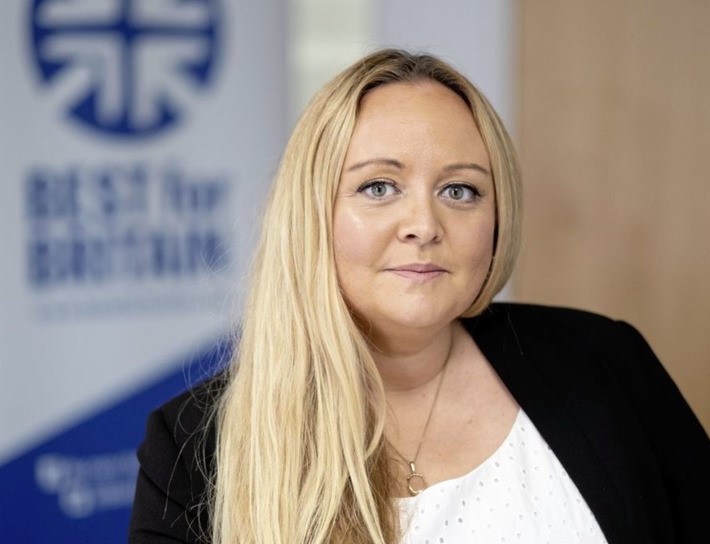
Naomi Smith

Naomi Smith – CEO Best for Britain

Without wanting to jinx things, it appears that talks between the EU and the UK are progressing once more, after the EU allegedly agreed to Johnson’s demands for Brussels to publicly state that Britain ‘is a sovereign nation’. I’m hopeful that an agreement will be reached.

Johnson’s self-imposed deadline of 15th October, much like his end of July one before it, has come and gone, and while there’s not yet white smoke, there are hopes that a catastrophic no deal will be averted. What there is, of course, very little chance of is a comprehensive trade deal – that is one that would be both broad and deep. There simply isn’t time left for such detail to be negotiated. Which means that the government has failed to deliver, for now at least, what it promised in its 2019 manifesto. The best we can now hope for is a deal that agrees zero tariffs, to keep trade as frictionless as possible. This would not mean that there wouldn’t be trouble at the borders – far from it – as non-tariff barriers will still apply in the event of deal or no deal, and issues like phytosanitary checks on livestock and meats travelling between the EU and the UK will cause significant hold ups, at least in the short term.

It’s easier to add building blocks to a structure that is already in place. A deal, therefore, remains preferable to those of us who want the UK to have a close relationship with Europe. That’s not to say we couldn’t start to build back from a no deal scenario, but it would be harder and slower.

Pro-Europeans must keep shining a spotlight on the benefits of multilateral cooperation and dialogue and keep pressure on Westminster and Brussels to work together on non-trade issues too, such as vaccines, medicines, research and security. We can also highlight good news stories about EU funded projects and initiatives happening in the 27, because they’ll likely get precious little coverage in the UK press. We can paint a picture of what’s been taken from, the opportunities we’ve been led away from, by a group of nativists hell bent on making Britain an inward, not outward looking country.

Above all, we must keep positive and engaged in the fight. Hard won rights are easily lost, and for too long those who believed in open society took it for granted. If Biden wins the White House, the political power compass will shift across the West, and we can once again begin to feel the tide turning in our favour.

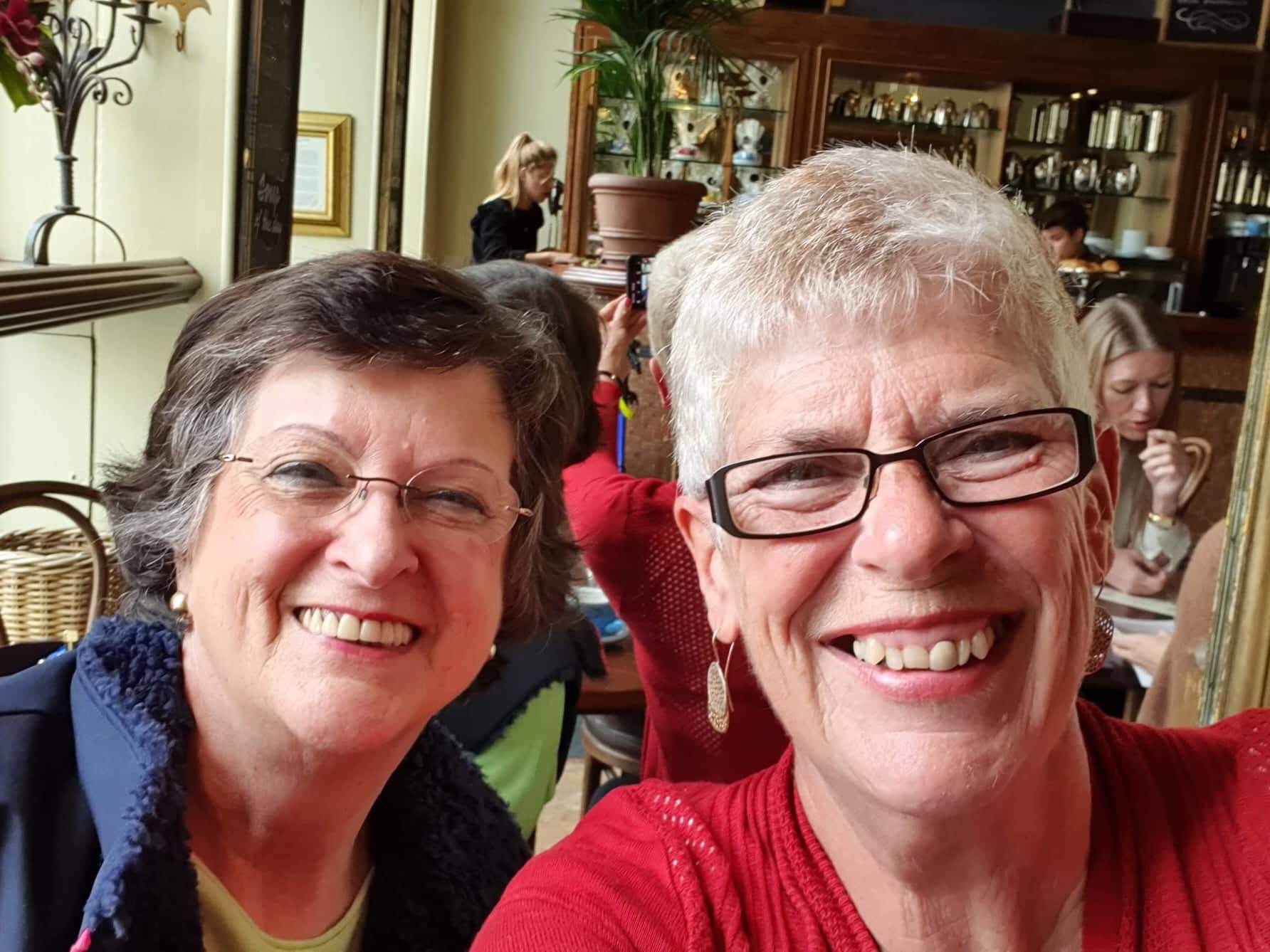
Our guest in November is former MEP Catherine Bearder, pictured here with Sue Wilson in Oxford recently. Catherine is the former leader of the Liberal Democrat group in the EU Parliament, and a committed campaigner. If you have a question for Catherine, please email it to us before 7 November at enquiries@bremaininspain.com.

Sue and Catherine Bearder MEP
Do Spain’s new restrictions leave you grateful, upset or just plain confused?

Do Spain’s new restrictions leave you grateful, upset or just plain confused?

The news that the Spanish government has declared a new state of emergency was greeted with a mixture of emotions by Brits in Spain, writes Sue Wilson of Bremain in Spain.
Some people were grateful for the efforts by national or regional government to stem the viral tide. Others were upset at more restrictions being imposed on their already disrupted lifestyles. Perhaps the most common reaction was confusion.

With the announcement coming last weekend, it’s still early days. As time passes, the rules will surely become clearer, especially as regional authorities clarify what is happening in their own area. While there will certainly be some nationwide rules, the regional governments have a degree of flexibility to tinker around the margins.

It’s not possible to gain immediate answers but it’s useful to know where to look.  A good place to start, if you understand Spanish, is the government’s own website. This presents the official bulletins – in this case, Boletín Official de Estado 282, which confirms the government announcement.


Websites are a great source of information, such as the English language version of the government website, La Moncloa. The Bremain in Spain website provides updates on Covid rules, as well as a dedicated page for updates from the Embassy. The British Embassy itself is also a reliable and well-informed source. Or you may prefer to source information from social media where you have the opportunity for interaction.

The Embassy Facebook page, Brits in Spain, contains lots of information relating to life in Spain and has regular Q&A sessions. You can sign up for email alerts on the dedicated Embassy website for British residents.

Another excellent social media source is the N332 Road Safety Association Facebook page, which provides national information and shares details of regional government measures.

As regional authorities determine their own Covid measures, they will issue specific guidance. The restrictions could be a moveable feast, thanks to a continuous process of measuring and reviewing their effectiveness in controlling the virus.  

You can read the article in full over at The Local

‘The deadline for Brits in Spain to apply for residency should be extended’

‘The deadline for Brits in Spain to apply for residency should be extended’

Sue Wilson of Bremain in Spain takes a look at the latest calls to safeguard the rights of British citizens living in the EU in the wake of Brexit and how there is still more to be done.
With Brexit negotiations randomly on again, off again, it’s rare that the topic of citizens’ rights comes up these days. We regularly hear about fishing, or the “level playing field”, but our rights as UK citizens have recently been largely ignored.

This week, the Future Relationship with the European Union committee (FREU) proved that it still has our best interests at heart with the publication of a report. The cross-party House of Commons committee, headed by Hilary Benn MP, has always looked out for the rights of British citizens in the EU and EU citizens in the UK.

Formerly known as the Exiting the EU committee, until Brexit was “done”, it has listened to evidence from many witnesses representing various demographics and sectors. Campaign groups for UK citizens in the EU, and EU citizens in the UK, have regularly presented evidence concerning the issues we face after Brexit, myself included.

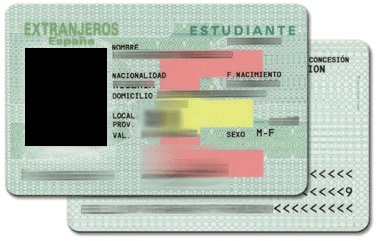
TIE Example

At this late stage, it’s reassuring that the committee is still focusing on our rights and is unanimous in its conclusion that these “must be a priority”. In its report issued on Tuesday, FREU urged “the UK and EU to ensure that the citizens’ rights protections in the Withdrawal Agreement are fully implemented for UK nationals living across the EU and EU citizens in the UK”.

You can read the article in full, along with the committee’s points of note for UK citizens in the EU, over at The Local

‘No one checked on me’: What it’s like travelling between Spain and the UK right now

‘No one checked on me’: What it’s like travelling between Spain and the UK right now

Initially nervous at the prospect of travelling to the UK from Spain during Covid-19 times Sue Wilson found the lack of checks by British authorities only served to increase her unease.

As those of us with family and friends in the UK are aware, travel between Britain and Spain is currently problematic. The Covid safety measures implemented throughout Europe have made travel difficult, if not impossible. The UK government’s application of quarantine to visitors from Spain have only made the situation more complex and unsettling.

With new cases rising exponentially – especially in Spain, France and the UK – many people welcome a cautious approach from governments. However, confusing rules that are not backed by any scientific evidence do little to inspire public confidence. This applies to residents and visitors alike.

Although Spain is experiencing Covid levels matching those in March, thankfully the death rate is down significantly. This seems to be a pattern worldwide, even in countries that are experiencing more cases than ever before. UK cases are at their highest level to date – approximately three times higher than at the peak during lockdown. However, the safety measures are less restrictive than during the “first wave”.


Airplane

Many people have expressed concern re their safety and that of their UK families. With obvious exceptions – such as Covid hotspot Madrid – Brits appear to feel safer in Spain than in the UK.

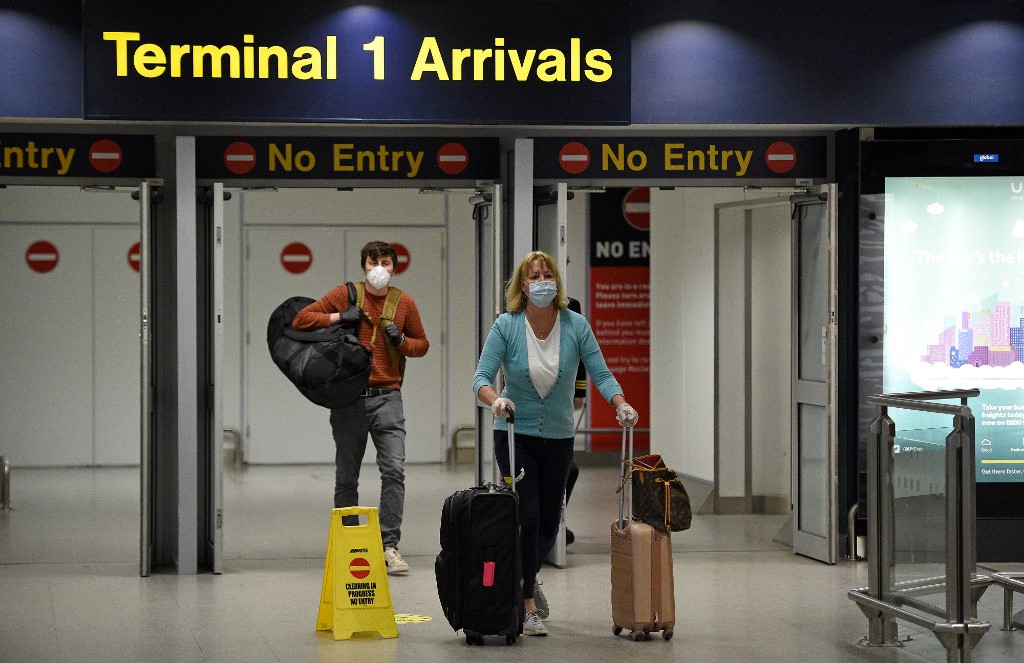
Having recently returned from a three-week trip to the UK, I was initially nervous at the prospect. I was concerned about flying and potentially being trapped in a crowd at the airport. I need not have worried. Only 31 people were on my flight and the usually packed passport control area at Stansted airport was deserted. Baggage reclaim was the only place with any sign of life.

I duly completed my online paperwork for the British government, detailing where I was staying and providing contact details for track and trace. During two weeks of quarantine, I was never contacted. I can’t say I was surprised, but the lack of contact increased my unease about my personal safety in England.

When I was finally free to go outside, I visited my mum in her care home for the first time in eight months. Those visits – for a maximum of 30 minutes a day – involved me wearing an apron, mask and gloves and maintaining a two-metre distance. Not an ideal way to spend our reunion, but a price worth paying for the safety of the care home residents and staff.

You can read the full article over at The Local

Nobody should be forced to choose between a dependent in the UK and one in Spain

Nobody should be forced to choose between a dependent in the UK and one in Spain

Sue Wilson analyzes the UK’s controversial Immigration Bill and why it’s important for Brits in Spain.

The British government has recently faced a string of defeats in the House of Lords over its controversial Immigration Bill.

Against the backdrop of the Conservative Party conference, and some toxic anti-asylum-seeker rhetoric from Home Secretary, Priti Patel, members of the House of Lords emphatically voted against the government’s plans.

The five government defeats largely concerned amendments about the rights of immigrants in the UK. Not least the Dubbs amendment, aimed to protect the rights of unaccompanied child refugees. However, the Lords are also concerned with the rights of British citizens living in the EU.

For people protected by the Withdrawal Agreement, the Lords propose provisions for UK citizens “to return to the United Kingdom accompanied by, or to be joined in the United Kingdom by, close family members”.

Peers also backed not placing financial restrictions on Brits returning to the UK with their EU families from March 2022.

For those residing in the EU, the issue of being separated from close family members is important.

How can anyone choose between a dependent in the UK and one in Spain? Nobody should be forced to make that decision.


Thanks to Brexit, we must adjust to a new normality. It rubs salt in our wounds that the EU is more willing to protect our rights – including freedom of movement – than the British government has ever been.

When the Brexit talks started, our freedom of movement was on the negotiating table. It did not remain there for long, once prime minister, Theresa May, insisted on her red lines. To ensure that EU citizens’ rights in the UK were restricted, the rights of UK citizens in the EU became collateral damage in the negotiations.

To read the full article pop over to The Local