Watching the UK from Spain is like watching a slow-motion car crash

Watching the UK from Spain is like watching a slow-motion car crash

“Only time will tell if Spain’s approach will prevent any serious reintroduction of the virus. By contrast, it’s difficult to watch events in the UK without feeling like we’re seeing a slow-motion car crash,” writes Sue Wilson from Bremain in Spain.

British citizens living through lockdown in Spain have generally appreciated the Spanish government’s handling of the Coronavirus crisis. Watching developments back in the UK – especially in England – has been a cause of concern, as we fear for the safety of family and friends.

The British lockdown, in comparison to ours, was late, loose and poorly managed. The rules were confusing and frequently illogical, and only seemed to apply to the general public – not to family and friends of the prime minister. It came as no surprise that the lifting of these measures was equally chaotic. 

On the much-hyped Super Saturday, pubs and restaurants were finally able to open in England, except in Leicester, which remains in lockdown due to a Covid spike.

To persuade the public to spend, spend, spend, the government opened pubs at 6am on 4 July. While encouraging a return to normality, such as enjoying a pint at the local, the government was advising the public to “act responsibly”. At the same time, Chief Medical Officer, Chris Whitty, was warning of the continued need to socially distance to avoid a second wave. 

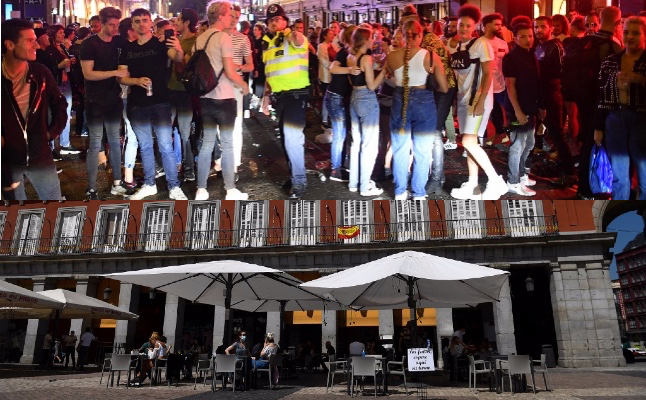
Sunday’s media coverage – of London, in particular – showed that social distancing in newly opened pubs was being largely disregarded. Pubs may have tried to stick to government guidelines but were overwhelmed by crowds of drinkers. The police seemed unable, or unwilling, to enforce the rules, with a senior police chief saying it was “crystal clear” that drunk people were unable to socially distance. 

Covid 19

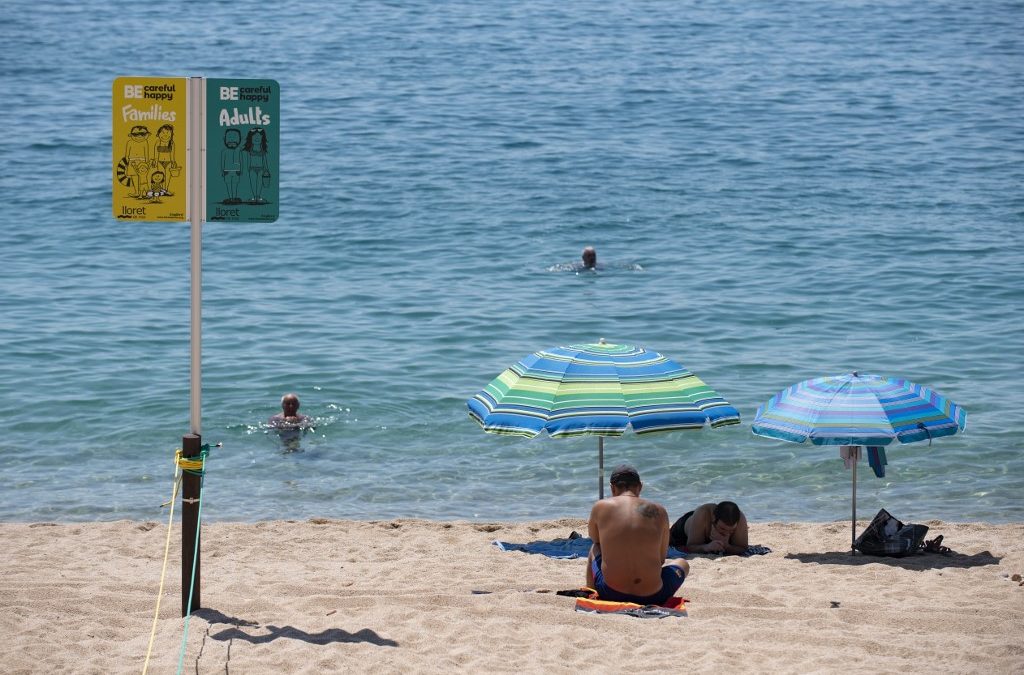
When bars and restaurants finally opened in Spain, the safety measures were clear. Tables were further apart, group sizes were limited, strict cleaning regimes put in place, hand sanitiser everywhere, and masks to be worn when moving around. If my local bars and restaurants are anything to go by, the rules are being strictly applied, and every effort is being made to ensure compliance and safety. 

You can read the full article in The Local. 
Our lives in Spain are changing, no matter how you view Brexit

Our lives in Spain are changing, no matter how you view Brexit

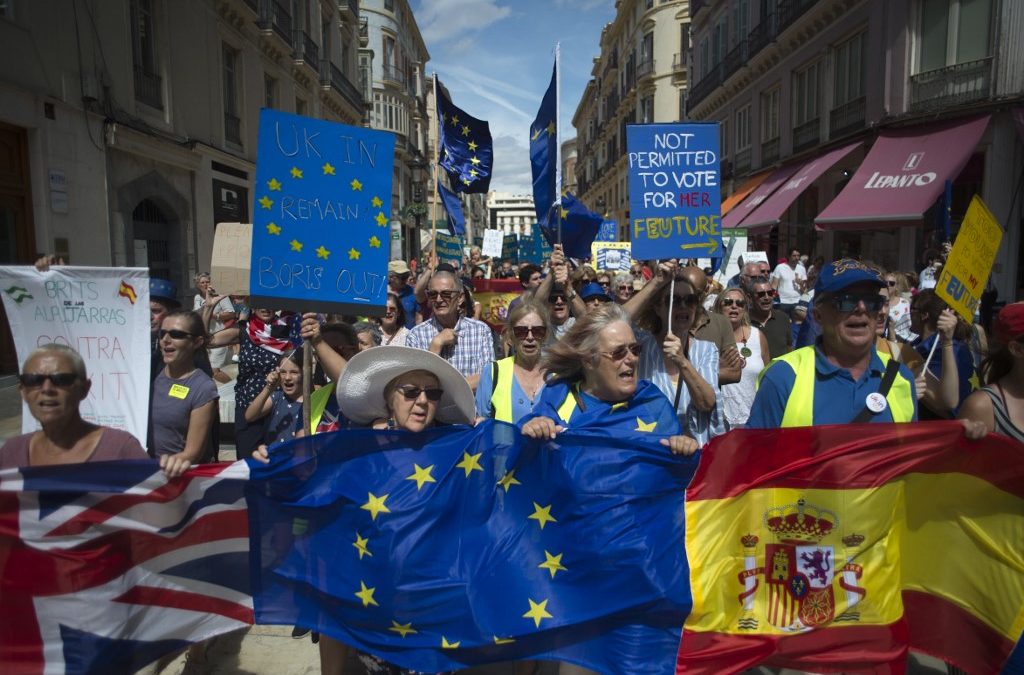
While Brexit divides still run deep the reality for those on both sides is that their lives in Spain are soon going to change as transition nears an end, writes Sue Wilson from Bremain in Spain.

On the last day of June, the deadline for the Brexit transition period extension passed, almost unnoticed.

The British government has always insisted it would not seek an extension, even though one was on the EU table. This position may have been justifiable before the coronavirus crisis, but not under current circumstances. 

The EU/UK negotiators have just a few months to agree a trade deal and cement a future relationship. Although the transition period expires at the end of 2020, an agreement will need to be reached by October to allow time for ratification. 

Should an agreement not be reached, the UK will be forced – perhaps willingly – to trade on World Trade Organisation terms. That would see tariffs on goods, customs inspections at borders, and additional costs and administration – none of which have been adequately prepared for in the UK.

For UK residents, that will probably mean a further significant economic downturn, food and medical shortages, job losses, and more. For those of us living in Spain, many of the EU citizenship rights we have enjoyed will finally cease, and we can expect the Pound/Euro exchange rate to decline further.

A no-trade-deal Brexit is not the same as the much-feared no-deal of 2019, when all our rights were at stake. We now have a deal that protects many of our rights, including ongoing healthcare and pension provisions.

Those are protected for our lifetimes by the Withdrawal Agreement – a legally-binding, international treaty. People who are not of retirement age on 1 January 2021 will qualify for their S1 pension/healthcare when they reach retirement, if they have the required UK National Insurance contributions.

Other citizens’ rights have not been agreed, and probably won’t be, even if the EU and UK reach a trade deal. The loss of our freedom of movement as EU citizens will have the greatest impact. This signifies more than our ability to travel freely, or to work/study anywhere in Europe – it’s also about where we live. 

You can read the article in full over at The Local.

Bremainers Ask ….. Joan Pons Laplana

Bremainers Ask ….. Joan Pons Laplana

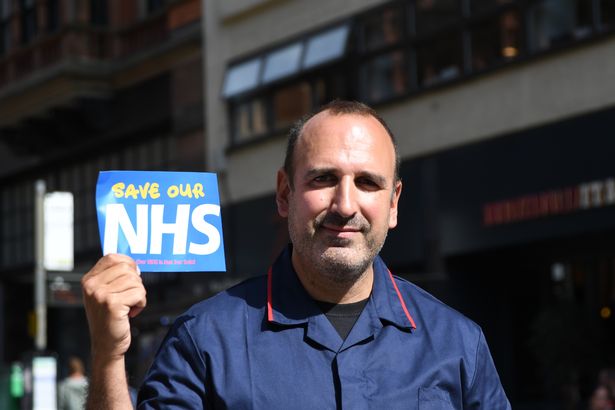
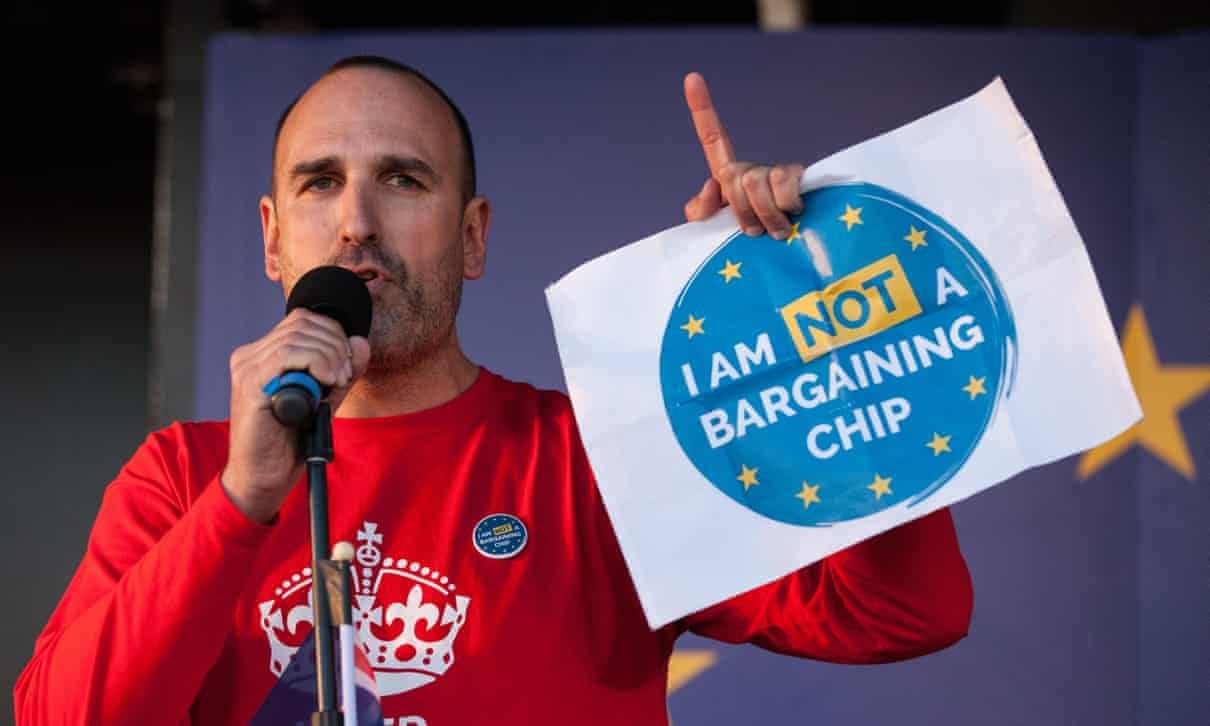
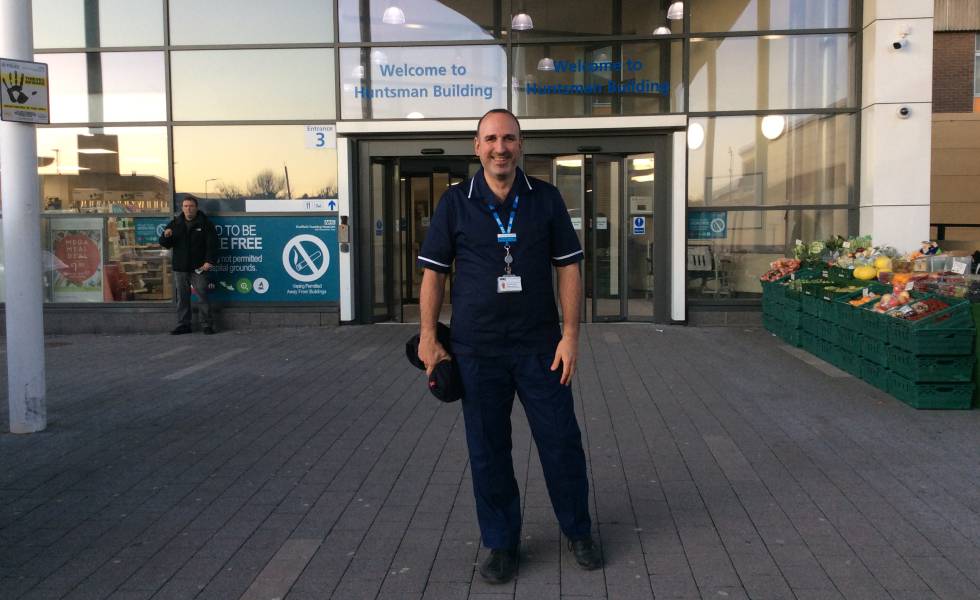
Nurse/activist Joan Pons Laplana is originally from Barcelona and has lived in the UK since 2000. He has spearheaded a number of campaigns, including Kissing Goodbye to Sepsis, for which he won the BJN Nurse of the Year award in 2018. Since the Brexit referendum Joan has also campaigned to protect the rights of British citizens in the EU and EU citizens in UK.

Pat Kennedy

Do you think there will be any incentive, after Brexit, for Spanish nurses to go to the UK to work in the NHS?

No. Ending EU citizens’ freedom of movement will kill the NHS. Since 2010 the working conditions here in Great Britain have deteriorated, nurses’ salaries have been frozen while the cost of living has increased 20% during the same period. On the top of that, since the referendum in 2016, the pound is not as strong as it used to be, which means the salaries in other European countries are now more attractive.

Also, the Spanish nursing regulators have indicated that they will no longer recognise UK nursing experience for Spanish nationals post-Brexit. The WHO estimates that the world will need an additional nine million nurses and midwives by 2030. What Boris Johnson and his government don’t seem to realise is that nurses and doctors are highly valued and in high demand in other parts of the world. The lack of staffing is compromising the delivery of safe care and we have a ticking bomb in our hands. Freedom of movement is one of the main reasons why our beloved NHS is still standing on its feet. The end of free movement will probably be the last nail in the coffin. By creating barriers and making it more difficult for foreign nurses to come, it will have a huge impact on the number of nurses choosing to work in the UK. With the current situation, why would a European nurse come to the UK?

Would I have come to Great Britain 20 years ago without freedom of movement, and with the current hostile environment created by Brexit? The answer is no.

Joan 4

Juliet Smith

How do you feel about the governments u-turn on medical care for EU key workers? How did that impact on you personally and your colleagues, and the relationship with his patients?

The government have not done a u-turn yet. Foreign NHS workers and carers are still being charged for using the health service, despite the Prime Minister’s pledge to scrap these fees “as soon as possible”. The date when fees will be scrapped is still not known and guidance has not yet been released by the Department of Health and Social Care. Looking at Mr Johnson’s track record, I do not trust his word at all. If the tax is not scrapped, that will have a significant impact on recruitment and retention as nurses will choose other places to go, increasing staff shortages and making it even more difficult to provide safe care.

How has the clap for carers made EU key workers feel?

I have mixed feelings about the clapping. I would like recognition more than the clapping, I would like something better with laws, we need minimum safe staffing laws that we don’t have in this country and I think it’s dangerous, and we deserve a well-earned pay rise. Despite nurses being given a pay rise by Health Secretary Matt Hancock last year, inflation and austerity meant in real terms there has not been much of a change.

What advice would you give nursing staff and other key workers from EU countries about coming and living in the UK, post Brexit and Corona?

Unless the government change their rhetoric and make Britain more welcoming, I would not advise anyone from the EU to come and live in the UK. Simple as that.

Caroline Guerrero 

Have you experienced any animosity towards you at work and do you think people’s opinions of foreigners working in the NHS has changed since the Covid-19 crisis?

Brexit has turned our lives upside down. Things did not happen overnight; instead, little by little, I have seen attitudes towards migrants change. Tensions had been building up slowly, but Brexit was like the cork being pulled out of the champagne bottle. After nearly two decades, I no longer feel welcome or valued. That hostility has disappeared, now people are not bothered about my accent, they’re just happy to see me and happy that I’m a nurse.

Joan 3

In a way the Covid crisis have brought back the sense of belonging because in the past few years, as a non-British national, I felt a bit ‘not wanted’ from the Government and part of society. In a way, we’ve come back to when I came here years ago. It doesn’t matter where you come from. Even the government have changed their rhetoric. We’ve gone from being low-skilled workers to key workers.

I hope that this change of attitude will carry on after but somehow, I am a bit sceptical. I have no doubt that the current government will return to the hostile environment as soon as they need the votes from the far right.

Tony Isaac 

We are already seeing the UK disengaging from the EU in areas like equipment procurement, security cooperation and track and tracing programmes & medical research and EU-wide clinical trials are also likely to be casualties of Brexit. What impact do you think these issues will have for public health in the UK?

We are already seeing the UK disengaging from the EU in areas like equipment procurement, security cooperation and track and tracing programmes, and medical research and EU-wide clinical trials are also likely to be casualties of Brexit.

Britain has always been a world leader in medical research but now Brexit threatens that with EU funding being withdrawn. Warnings of medicines shortages and delays in the supply of vital equipment and medical isotopes used in cancer treatment, and concerns about the NHS workforce crisis being made even worse, are not scaremongering. It’s the grim reality facing our precious NHS.

The Covid crisis has put a big emphasis on the importance of collaboration between countries. Despite that Britain seems to continue driving itself towards self-destruction. The contract-tracing charade is a clear example.

Joan 2

John Bentley 

To what extent are you concerned that the UK will adopt a more “free market”, privatised approach to healthcare as a result of the increased trading with the USA post-Brexit & how would any such changes affect NHS workers, patients, and the healthcare system in general?

As Mr Trump said, when you’re dealing in trade everything is on the table including the NHS. The UK is desperate to have a trade deal with the USA and that will come at a price. The US wants prices to be “market-derived” or “competitive” which would likely mean significantly higher than current guidelines.
Drug prices in America have soared since protections were removed in the 1990s. Studies have found that popular medicines are three times more expensive in the US than the UK. For individual drugs the differences can be vast. A trade deal with the US would be the death knell of the NHS and would open the door for an insurance-based healthcare system. As the costs will rise exponentially, it will be impossible for the government to fund the NHS. An estimated 530,000 American families turn to bankruptcy each year because of medical issues and bills.

Access to free healthcare should be a human right. I do not want to live in a society that the first priority when someone becomes ill is to ask for their wallet. At that point I will resign from being a Nurse.

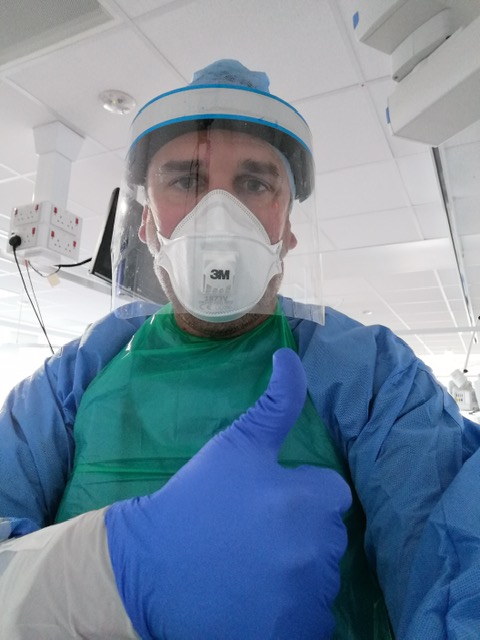
Joan has recently been featured in La Vanguardia, for his involvement in Oxford University’s clinical trials for a Covid-19 vaccine. You can read the full story here.

Next month’s Bremainers Ask feature will be something a little different. It is your opportunity to put questions to our Chair, Sue Wilson. Please email your questions to enquiries@bremaininspain.com or add them to the ‘announcement’ post in the Facebook group. Thanks!

If Brits visit Spain let’s hope they follow the guidelines

If Brits visit Spain let’s hope they follow the guidelines

The news that Brits can now visit Spain has been greeted with mixed emotions, writes Sue Wilson from Bremain in Spain group.

After 14 weeks of lockdown measures, including several extensions requested by Pedro Sanchez, the ‘state of alert’ in Spain is finally over.
 
The local, national and international world we inhabit has changed, along with our behaviour and attitudes.
 
With appropriate caution, Spain and its residents are opening for business again.
 
Despite considerable economic damage and future economic threats, the Spanish government is taking things slowly.
 
Demands from business and industry, especially the tourism sector, must be weighed against the serious health risks of a second Covid spike.
 
The “new normality” is a far cry from the old normality, but the air of caution is welcomed by many people. While various restrictions have been removed – especially concerning our mobility – many health and safety measures still apply, such as the wearing of face masks.

The New Normality

The end of mobility restrictions will see the biggest change to our lockdown habits, as visitors travel across regional and national borders for the first time in months.
 
The biggest grey area is travel arrangements between Britain and Spain. After the Spanish government announced that its borders would open to visitors from EU countries, people wondered if the UK – currently half-in and half-out of the EU – would be included.
 
An announcement from the Embassy in Madrid to British residents in Spain confirmed that this was the case.

To read the article in full, head over to The Local. 

When will Brits in Spain feel brave enough to risk a trip ‘back home’?

When will Brits in Spain feel brave enough to risk a trip ‘back home’?

After months of lockdown we are all keen to visit our loved ones ‘back home’. This week, Sue Wilson examines the dilemma facing those considering a trip back to the UK.
 
A few weeks ago, when the end of lockdown was a distant dream, I wrote about having mixed feelings. The excitement of seeing friends and family was tinged with nervousness about our safety and wellbeing.

With lockdown coming to an end soon, coronavirus deaths almost non-existent and infections at a low level, are we feeling braver now?

The introduction of quarantine measures in the UK last week has focused many of us on when we might risk a long-awaited visit. The prospect of having to self-isolate for two weeks on arrival has pretty much guaranteed that even the keenest of us will delay imminent plans.

The question is “when will it be safe”? Desperate as we are to see our parents, children, grandparents or grandchildren, would we be putting ourselves, or even worse, our family members at risk?

Apart from family visits, many people have been forced to cancel pre-booked holidays and are debating whether holidays are totally off the menu this year. Rather by necessity than choice, the option of foreign travel has largely lost its appeal. This year could turn out to be that of the staycation, or at least sticking much closer to home.

As we become acclimatised to life outdoors again, there are many adjustments to be made.  Most people are keeping a safe distance, wearing masks and foregoing physical contact outside of their own families.

However, it’s not all bad news. Living in a tourist village, I’m enjoying having the place to ourselves, free of the usual summer crowds and traffic – a pleasure normally reserved for the winter months.

I feel bad for local businesses struggling to survive – we locals must do what we can to safely support them. However, should the restaurant and café tables stay two metres apart on a permanent basis, that’s fine with me!

passport, bremain, british, rights, EU

In another week’s time, we will be enjoying the ‘new normality’ here in Spain – the closest thing we’ll have to our old normality for some time.

With constant changes to what’s allowed, as we’ve moved through the de-escalation phase system, it hasn’t always been easy to keep track. However, compared to the complicated UK measures, it’s been a doddle. The devolved nations aren’t even following the same ‘plan’ as the government.

To read the article in full, pop over to The Local.