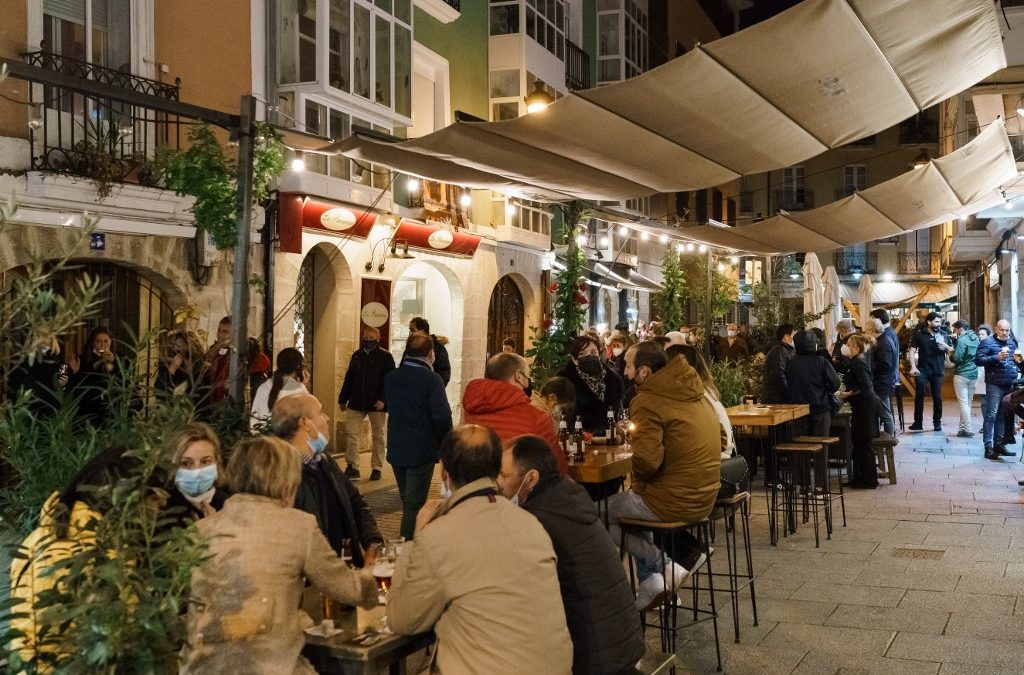
Do Spain’s new restrictions leave you grateful, upset or just plain confused?

Do Spain’s new restrictions leave you grateful, upset or just plain confused?

The news that the Spanish government has declared a new state of emergency was greeted with a mixture of emotions by Brits in Spain, writes Sue Wilson of Bremain in Spain.
Some people were grateful for the efforts by national or regional government to stem the viral tide. Others were upset at more restrictions being imposed on their already disrupted lifestyles. Perhaps the most common reaction was confusion.

With the announcement coming last weekend, it’s still early days. As time passes, the rules will surely become clearer, especially as regional authorities clarify what is happening in their own area. While there will certainly be some nationwide rules, the regional governments have a degree of flexibility to tinker around the margins.

It’s not possible to gain immediate answers but it’s useful to know where to look.  A good place to start, if you understand Spanish, is the government’s own website. This presents the official bulletins – in this case, Boletín Official de Estado 282, which confirms the government announcement.

 

Websites are a great source of information, such as the English language version of the government website, La Moncloa. The Bremain in Spain website provides updates on Covid rules, as well as a dedicated page for updates from the Embassy. The British Embassy itself is also a reliable and well-informed source. Or you may prefer to source information from social media where you have the opportunity for interaction.

The Embassy Facebook page, Brits in Spain, contains lots of information relating to life in Spain and has regular Q&A sessions. You can sign up for email alerts on the dedicated Embassy website for British residents.

Another excellent social media source is the N332 Road Safety Association Facebook page, which provides national information and shares details of regional government measures.

As regional authorities determine their own Covid measures, they will issue specific guidance. The restrictions could be a moveable feast, thanks to a continuous process of measuring and reviewing their effectiveness in controlling the virus.  

You can read the article in full over at The Local

‘The deadline for Brits in Spain to apply for residency should be extended’

‘The deadline for Brits in Spain to apply for residency should be extended’

Sue Wilson of Bremain in Spain takes a look at the latest calls to safeguard the rights of British citizens living in the EU in the wake of Brexit and how there is still more to be done.
With Brexit negotiations randomly on again, off again, it’s rare that the topic of citizens’ rights comes up these days. We regularly hear about fishing, or the “level playing field”, but our rights as UK citizens have recently been largely ignored.

This week, the Future Relationship with the European Union committee (FREU) proved that it still has our best interests at heart with the publication of a report. The cross-party House of Commons committee, headed by Hilary Benn MP, has always looked out for the rights of British citizens in the EU and EU citizens in the UK.

Formerly known as the Exiting the EU committee, until Brexit was “done”, it has listened to evidence from many witnesses representing various demographics and sectors. Campaign groups for UK citizens in the EU, and EU citizens in the UK, have regularly presented evidence concerning the issues we face after Brexit, myself included.

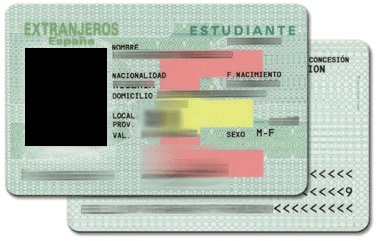
TIE Example

At this late stage, it’s reassuring that the committee is still focusing on our rights and is unanimous in its conclusion that these “must be a priority”. In its report issued on Tuesday, FREU urged “the UK and EU to ensure that the citizens’ rights protections in the Withdrawal Agreement are fully implemented for UK nationals living across the EU and EU citizens in the UK”.

You can read the article in full, along with the committee’s points of note for UK citizens in the EU, over at The Local

‘No one checked on me’: What it’s like travelling between Spain and the UK right now

‘No one checked on me’: What it’s like travelling between Spain and the UK right now

Initially nervous at the prospect of travelling to the UK from Spain during Covid-19 times Sue Wilson found the lack of checks by British authorities only served to increase her unease.

As those of us with family and friends in the UK are aware, travel between Britain and Spain is currently problematic. The Covid safety measures implemented throughout Europe have made travel difficult, if not impossible. The UK government’s application of quarantine to visitors from Spain have only made the situation more complex and unsettling.

With new cases rising exponentially – especially in Spain, France and the UK – many people welcome a cautious approach from governments. However, confusing rules that are not backed by any scientific evidence do little to inspire public confidence. This applies to residents and visitors alike.

Although Spain is experiencing Covid levels matching those in March, thankfully the death rate is down significantly. This seems to be a pattern worldwide, even in countries that are experiencing more cases than ever before. UK cases are at their highest level to date – approximately three times higher than at the peak during lockdown. However, the safety measures are less restrictive than during the “first wave”.


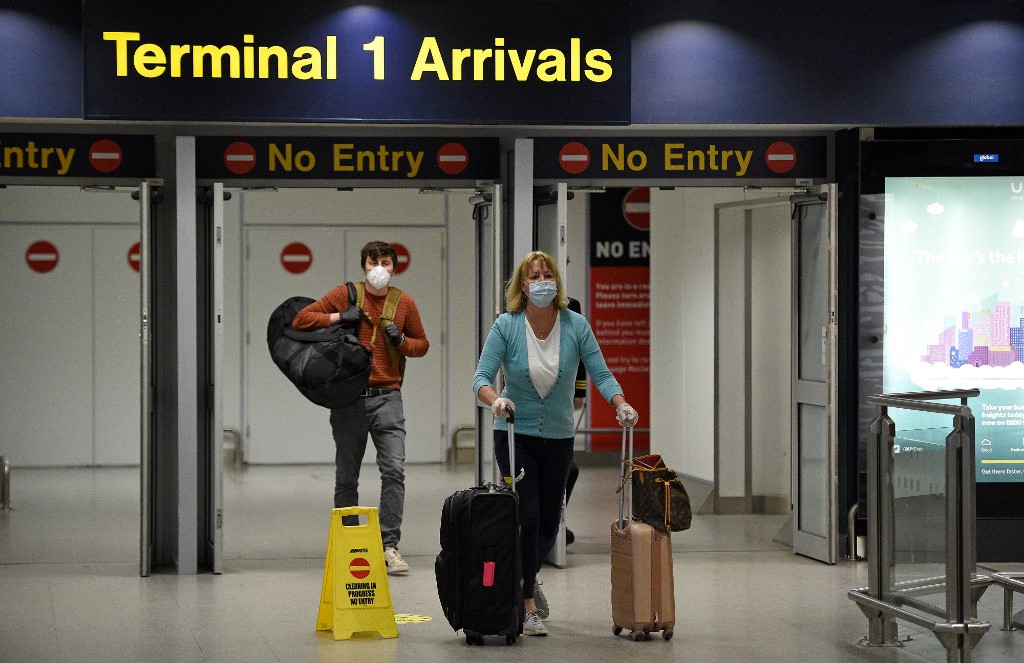
Airplane

Many people have expressed concern re their safety and that of their UK families. With obvious exceptions – such as Covid hotspot Madrid – Brits appear to feel safer in Spain than in the UK.

Having recently returned from a three-week trip to the UK, I was initially nervous at the prospect. I was concerned about flying and potentially being trapped in a crowd at the airport. I need not have worried. Only 31 people were on my flight and the usually packed passport control area at Stansted airport was deserted. Baggage reclaim was the only place with any sign of life.

I duly completed my online paperwork for the British government, detailing where I was staying and providing contact details for track and trace. During two weeks of quarantine, I was never contacted. I can’t say I was surprised, but the lack of contact increased my unease about my personal safety in England.

When I was finally free to go outside, I visited my mum in her care home for the first time in eight months. Those visits – for a maximum of 30 minutes a day – involved me wearing an apron, mask and gloves and maintaining a two-metre distance. Not an ideal way to spend our reunion, but a price worth paying for the safety of the care home residents and staff.

You can read the full article over at The Local

Nobody should be forced to choose between a dependent in the UK and one in Spain

Nobody should be forced to choose between a dependent in the UK and one in Spain

Sue Wilson analyzes the UK’s controversial Immigration Bill and why it’s important for Brits in Spain.

The British government has recently faced a string of defeats in the House of Lords over its controversial Immigration Bill.

Against the backdrop of the Conservative Party conference, and some toxic anti-asylum-seeker rhetoric from Home Secretary, Priti Patel, members of the House of Lords emphatically voted against the government’s plans.

The five government defeats largely concerned amendments about the rights of immigrants in the UK. Not least the Dubbs amendment, aimed to protect the rights of unaccompanied child refugees. However, the Lords are also concerned with the rights of British citizens living in the EU.

For people protected by the Withdrawal Agreement, the Lords propose provisions for UK citizens “to return to the United Kingdom accompanied by, or to be joined in the United Kingdom by, close family members”.

Peers also backed not placing financial restrictions on Brits returning to the UK with their EU families from March 2022.

For those residing in the EU, the issue of being separated from close family members is important.

How can anyone choose between a dependent in the UK and one in Spain? Nobody should be forced to make that decision.


Thanks to Brexit, we must adjust to a new normality. It rubs salt in our wounds that the EU is more willing to protect our rights – including freedom of movement – than the British government has ever been.

When the Brexit talks started, our freedom of movement was on the negotiating table. It did not remain there for long, once prime minister, Theresa May, insisted on her red lines. To ensure that EU citizens’ rights in the UK were restricted, the rights of UK citizens in the EU became collateral damage in the negotiations.

To read the full article pop over to The Local

Bremainers Ask….  Prof. A.C. Grayling

Bremainers Ask…. Prof. A.C. Grayling

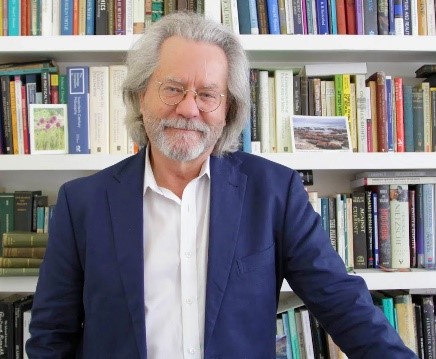
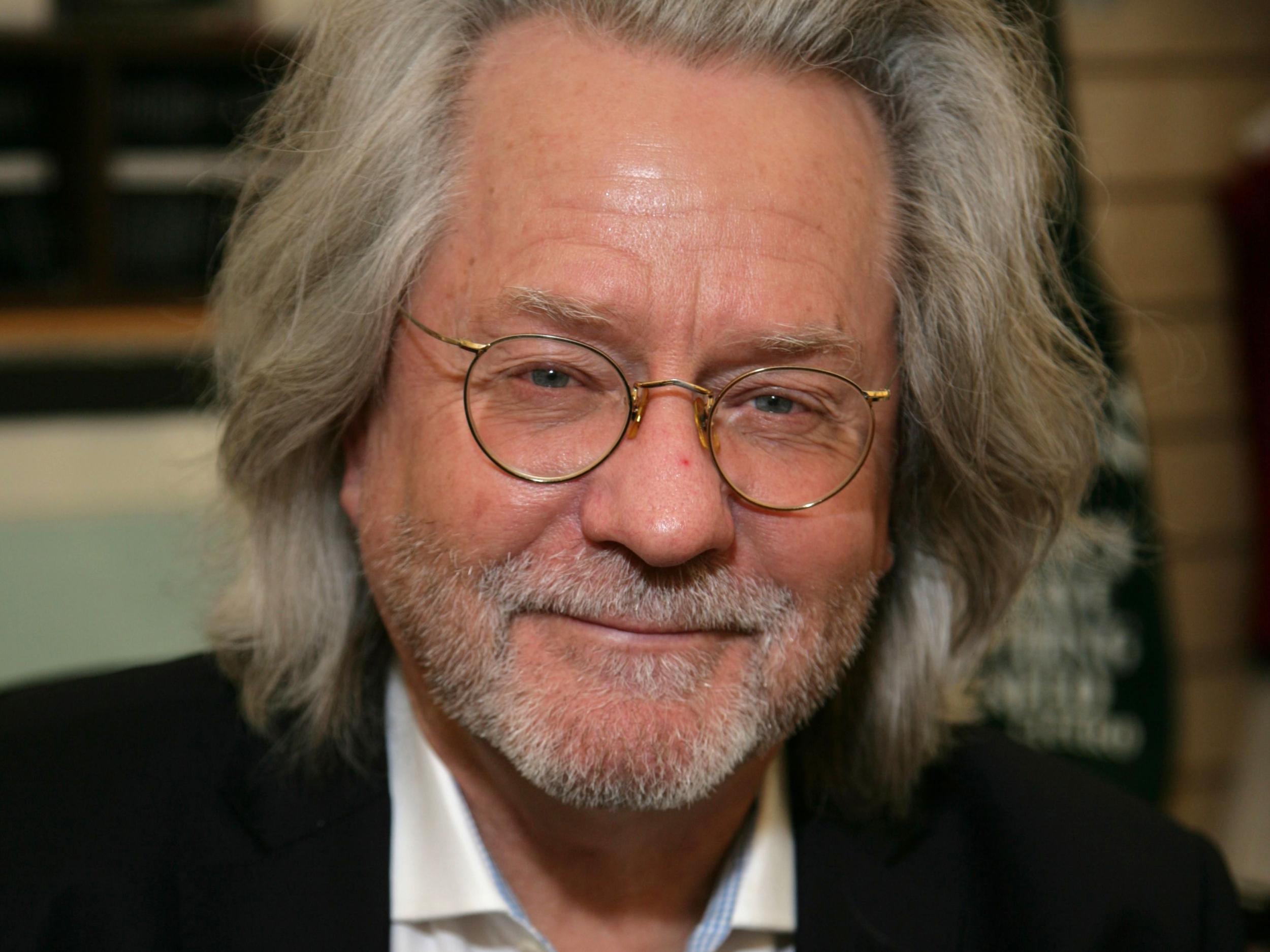
A.C. Grayling, CBE, MA, DPhil (Oxon), FRSA, FRSL, is the Master of the New College of the Humanities, London, and its Professor of Philosophy. He is also a Supernumerary Fellow of St Anne’s College, Oxford. He is the author of over thirty books of philosophy, biography, history of ideas, and essays.

He was for a number of years a columnist on the Guardian, the Times, and Prospect magazine. He has contributed to many leading newspapers in the UK, US and Australia, and to BBC Radios 4, 3 and the World Service, for which he did the annual ‘Exchanges at the Frontier’ series.

He has twice been a judge on the Booker Prize, in 2014 serving as the Chair of the judging panel. He is a Fellow of the Royal Society of Arts, a Fellow of the Royal Society of Literature, a Vice President of Humanists UK, Patron of the Defence Humanists, Honorary Associate of the Secular Society, and a Patron of Dignity in Dying.

Lawrence Baron: What has to happen to hold the Tory government accountable in a national and international court of justice for any abuse of power during the Brexit process?

I don’t know the answer to this question, but my guess is that there is no direct remedy for a general ‘abuse of power’ unless annexed to specific charges of genocide or systematic violations of human rights. It is a shaming reflection that the UK is in the same camp as Hungary, North Korea and a few others one could mention where government acts contrary to the interests and wellbeing of the citizenry.

Our remedy has to be to get the Tory government out, in the process demanding that the opposition parties unify on a platform of electoral reform, that there then be a proportionally elected parliament and that it be asked to put the question of EU membership back to the people. This sounds onerous given the opposing wind of our dysfunctional electoral and constitutional system, but it is not only our best hope, it is doable.

Pat Kennedy: If you were able to counsel Sir Keir Starmer, what advice would you give him?

I would counsel him (a) to plump for electoral reform and (b) not to turn his back on the majority in the UK (and outside it!) who want to be in the EU, but to listen to them and champion their cause.

Ruth Woodhouse: As a member of the Bremain in Spain lobby group, I have seen how effective lobbying can be. Where would you suggest we now channel our lobbying energies?

The opposition parties. The LDs, Greens and Plaid have already agreed to work together; we need Labour to join them on an electoral reform platform. This is the big way forward – including the high road back into the EU. There is little hope in starting a new opposition party – in our FPTP system such parties fail. We have to get the current opposition parties with their constituency infrastructure etc. to join forces.

A crucial point: this means persuading Labour to suspend the clause in its constitution that obliges it to field a candidate in every constituency. It has to stand down where it has no chance of winning so that better-placed opposition parties can win. The tribalism and ideological sclerosis of Labour makes this a tall order. But remember Clause 4?

Elspeth Williams: As the transition period hasn’t ended yet, is it too soon for campaigners to be talking about re-joining the EU as they may risk being discounted as bad losers?

No: the majority of us want to be back in the EU: the Eurosceptics never stopped, did they – we must keep the desire, the anger, and the movement very much alive, and never let it rest until we are back in.

Frances Rushton: Do you believe the downturn in the UK economy is entirely due to Covid, or are businesses seeing the writing on the wall re a no deal Brexit and planning and preparing in advance? How do we prevent the government from using the virus as a scapegoat?


Professor Grayling

Covid massively worsens what would anyway be a very big hit to our economy even with a trade deal. The double disaster of Brexit and Covid makes the refusal of the Tories to extend the transition a morally criminal act.

Alison Curtis: Does democracy work in the age of social media?

Democracy is severely undermined by social media. But there are things that can be done: two important ones are (a) end anonymity on social media – this would wipe out a good deal of the rubbish, abuse, falsehoods, malignity and scurrility there (b) make it a criminal offence to micro-target political messaging; all political messaging should be universally visible so that the false and mendacious versions of it can be challenged.

Helen Johnston: Do you think the review of the judicial appeal system recently launched by the government represents a threat to parliamentary democracy?

Emphatically yes. Stung by their failure to act just as they wish in defiance of law, Cummings and Johnson are seeking revenge on the judiciary, and seeking to free their hands for what would amount in effect to dictatorial powers – I am not overstating the case.

Karen Watling: If Johnson manages to undermine the terms of the Withdrawal Agreement, what might the detrimental effects be on citizens’ rights?

Our rights have been seriously undermined already, having lost every one of the great advantages and privileges that being citizens of the EU gave us.

 Undoubtedly the problems will be yet greater without a comprehensive deal; for example, the news this weekend about the bank accounts of UK citizens living in Europe.

It is devastating to have to say this, but we are in the hands of a clique – the Leave campaign now squats in Downing Street – which has no respect for the rule of law, cares nothing about the effects of Brexit on the generality of the people, manages to combine corruption with incompetence, and has collapsed our country’s standing in the world – one could go on. But we must not give up; think of how things were e.g. in the summer of 1940; if we fight, we can reverse this historic mistake in the course of the coming years.

Many thanks to Professor Grayling for taking part in Bremainers Ask. Next month, we’ll be asking prior contributors to comment on current events in our Bremainers Ask Revisited: Part 4